
RTA vs. Assembled vs. Custom Cabinets: Which Should You Buy?
By TC Wholesale Cabinetry · Editorial team
June 26, 2026 · 7 min read
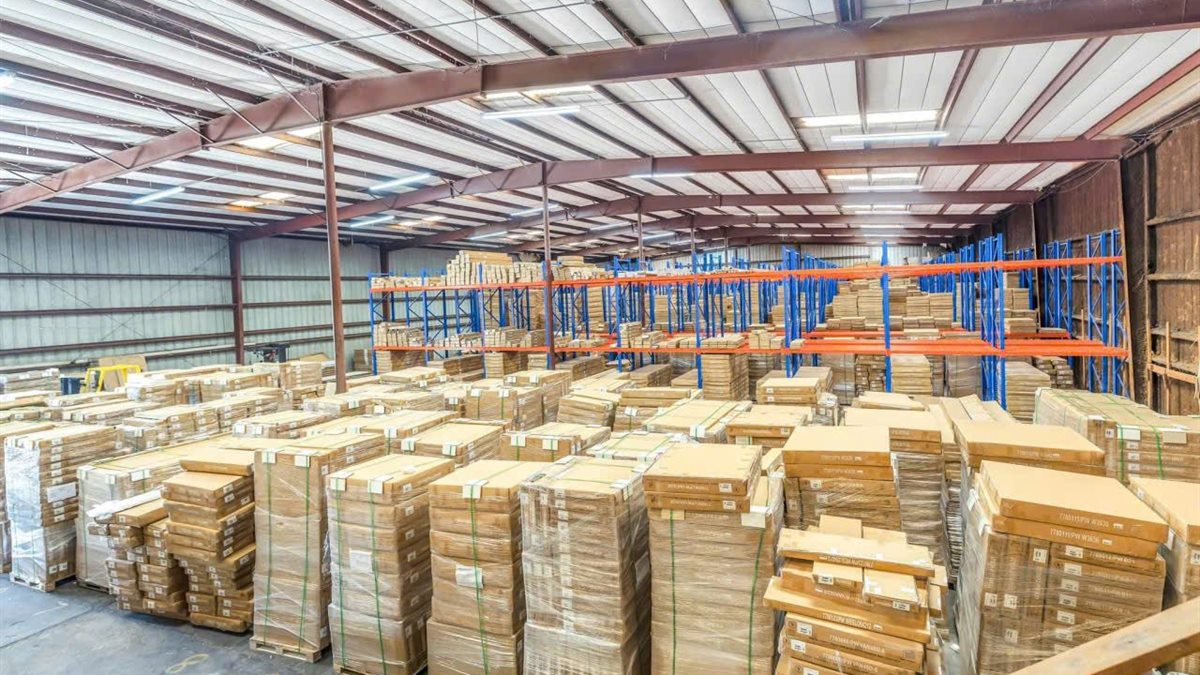
Shopping for kitchen cabinets, you will run into four buying paths that look almost identical in a showroom photo but diverge sharply on price, timeline, and how much you can change. Ready-to-assemble (RTA), stock pre-assembled, semi-custom, and full custom each suit a different project and a different budget. This guide settles the RTA vs assembled cabinets question — and the bigger custom vs RTA debate — by lining all four up on the things that actually decide a kitchen.
We will define each option in plain terms, then compare them on the four dimensions buyers care about most: cost, lead time and availability, quality and materials, and flexibility. We will be honest about where RTA gives something up — size granularity and the occasional restock wait — instead of pretending it wins every round. By the end you will know which path fits your layout, your budget, and your timeline.
What are the four ways to buy kitchen cabinets?
There are four mainstream ways to buy cabinets: RTA, which ships flat and assembles on-site; stock pre-assembled, which arrives fully built in standard sizes; semi-custom, which is a catalog box with paid modifications; and full custom, which is built from scratch to your exact spec. They can share the same door styles and finished look, yet they diverge on cost, speed, and how freely you can change sizes.
- RTA cabinets — standard-size boxes that ship flat-packed and assemble on-site with a screwdriver and a rubber mallet. You skip factory assembly labor and bulky freight, which is where most of the savings come from.
- Stock pre-assembled cabinets — the same standard sizes, but built and finished at the factory so they arrive ready to hang. Convenient, with nothing to assemble, but you pay for that labor and ship a lot of empty space.
- Semi-custom cabinets — catalog cabinets you can modify for a fee: a few inches off a depth, a different door, a special finish. A middle ground between stock and full custom. A few lines even offer semi-custom RTA cabinets that allow limited modifications while still shipping flat.
- Full custom cabinets — built from scratch to your exact dimensions, wood species, and finishes by a cabinet shop. The most design freedom, paired with the highest price and the longest wait.
TC sits squarely in the RTA category, but built to a standard most flat-pack lines skip: an all-plywood box (often called all-wood), solid-wood Shaker doors, soft-close hinges and undermount glides included, and CARB P2-compliant materials throughout, shipped flat nationwide. You can preview the real standard sizes and door styles in the cabinet catalog before you compare anything on price.
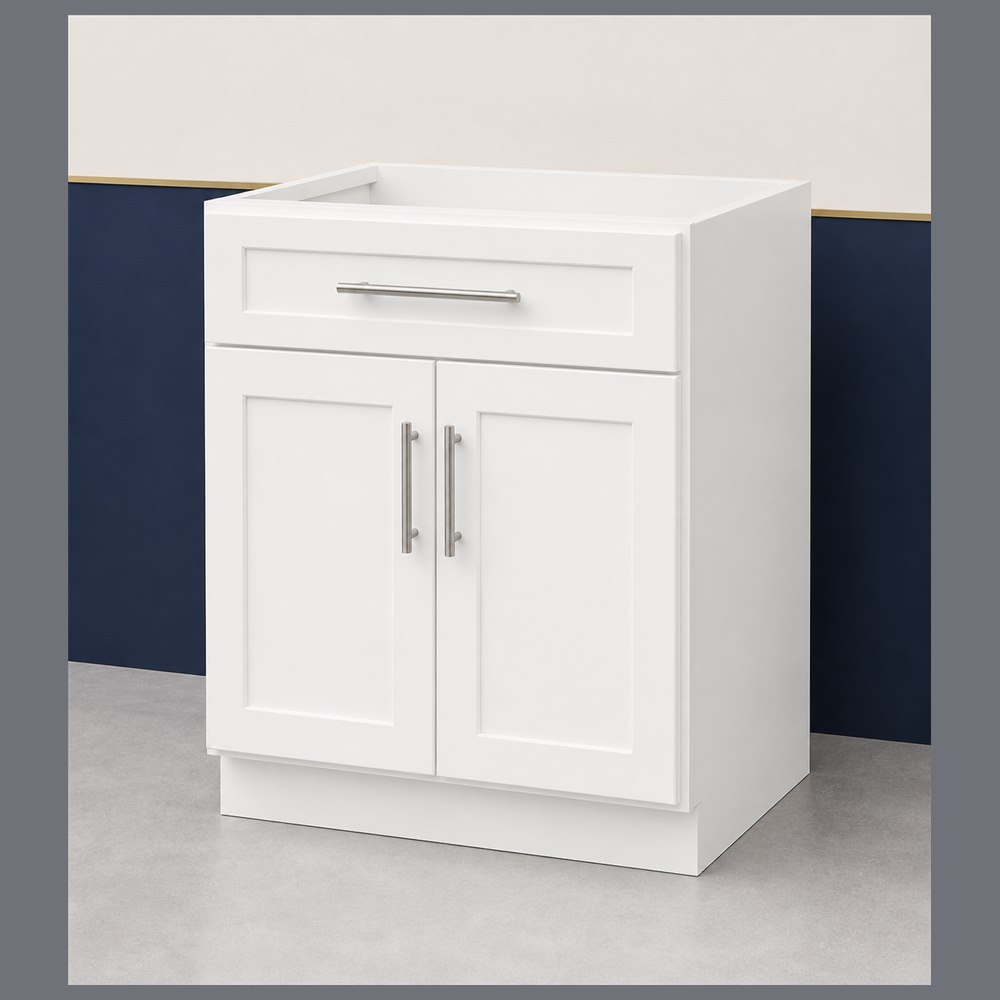
How do RTA, assembled, and custom cabinets compare on cost?
On price the order is consistent: RTA is the lowest, stock pre-assembled costs more, semi-custom more again, and full custom is the most expensive. Industry estimates commonly put RTA at roughly 30 to 50 percent below comparable custom cabinetry — context, not a quote. Two levers drive the spread, assembly labor and freight, and RTA strips out both of them.
- RTA — the lowest landed cost. You trade roughly an hour of assembly per cabinet (your time, or a local installer's) for large material and freight savings.
- Stock pre-assembled — costs more than the identical RTA box, because you pay factory assembly labor and ship bulky, mostly-empty cabinets across the country.
- Semi-custom — higher again; each modification adds to the base price, and a few popular upgrades stack up quickly.
- Full custom — the highest, reflecting bespoke milling, one-off shop setups, and a cabinetmaker's hours.
The pre-assembled vs RTA gap is almost entirely assembly labor and freight, not cabinet quality — the box can be identical. What we will not do is post a public dollar figure, because an honest number depends on your exact layout, cabinet count, and door style. For a full breakdown of what drives the number, see our kitchen cabinet cost guide, and to see your real figure, request a free quote on your actual cabinet list.
How do they compare on lead time and availability?
On speed, stock and RTA win and custom loses. Stock pre-assembled and in-stock RTA cabinets typically ship within days. Semi-custom takes weeks because each modified box is made to order. Full custom commonly runs six to twelve weeks. RTA's honest catch: if a popular size is briefly out of stock, you may wait on a restock before your order ships complete.
- Stock pre-assembled — fastest to install once delivered, since there is nothing to build; availability rides on what the warehouse keeps in stock.
- In-stock RTA — ships in days and assembles over a weekend; the only delay risk is a temporary restock if a popular size sells out.
- Semi-custom — typically a few weeks, because every modified box is built to order rather than pulled from a shelf.
- Full custom — the longest, commonly six to twelve weeks, and sometimes more during a busy remodeling season.
One genuine RTA advantage hides in that timeline: flat-packed cartons store easily until you are ready, so you can stage a kitchen in a corner of the garage instead of having pre-built boxes consume floor space the day they arrive. The trade-off is the restock risk — when a common width sells out, a flat-pack order waits for the missing part, whereas a custom shop simply schedules the build. Plan a little lead time either way and neither is a problem.
How do they compare on quality and materials?
Quality has nothing to do with how a cabinet ships and everything to do with the box, the door, and the hardware. A flat-packed RTA cabinet can match or beat a pre-assembled one — an all-plywood RTA box will outlast a pre-assembled particleboard box in almost any real kitchen. Full custom can reach the highest end, but only if you actually specify good materials; the format alone guarantees nothing.
- Box material — all-plywood sides resist moisture, hold screws, and carry countertop weight far better than particleboard or MDF, whichever buying path you choose.
- Joinery — dadoed panels drawn tight with screws or cam-locks stay square; stapled butt joints loosen over time.
- Door construction — a real five-piece solid-wood Shaker door versus a printed or thermofoil-wrapped panel that can peel at the edges.
- Hardware and compliance — concealed soft-close hinges, undermount glides rated for real cycle counts, and CARB P2-compliant low-formaldehyde panels.
Here is the part the marketing skips: the cheapest line in every category cuts cost in the one place you cannot see in a listing photo — the box. A bargain RTA carton and a bargain pre-assembled cabinet can both hide thin particleboard behind a printed finish. Judge any cabinet by its construction, not its format. For a deeper, honest look at the flat-pack format specifically, read whether RTA cabinets are worth it.
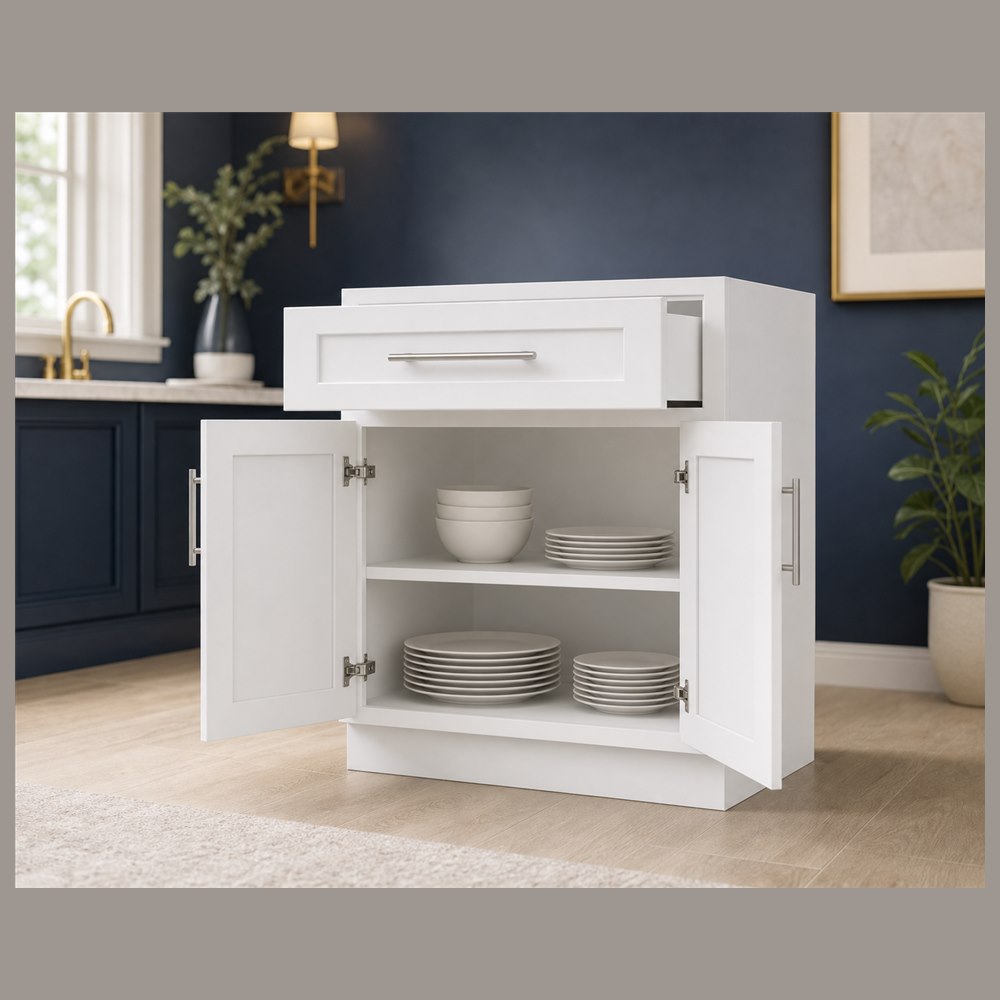
How do they compare on flexibility and customization?
Flexibility is custom's home turf and RTA's main trade-off. Full custom builds any size, depth, or one-off configuration. Semi-custom allows paid tweaks to a catalog box. Stock and RTA come in fixed standard widths — usually three-inch increments — so an oddball wall may need a filler strip rather than a perfect-fit box. For most standard layouts, that granularity is more than enough.
- Full custom — any dimension, depth, height, wood species, and finish; the right call for non-standard ceilings and one-off designs.
- Semi-custom — catalog boxes with paid modifications and a wider finish menu; flexibility without the full custom bill.
- Stock and RTA — fixed standard sizes in three-inch width increments, squared off with filler strips where a wall does not land on a clean number; the trade-off is granularity, not the finished look.
- The honest RTA caveat — if your kitchen truly needs a 26½-inch cabinet, the answer is a standard 27-inch box plus a filler, not a custom build; if it needs a 26½-inch box and nothing else will do, that is when custom earns its premium.
A useful rule of thumb: if your walls accept standard cabinet widths in three-inch increments — and most kitchens do — RTA gives you the bulk of a custom look for a fraction of the outlay. Reach for semi-custom or true custom only when an odd layout, a non-standard ceiling height, or a genuine one-off design demands it. The surest way to judge any finish before you commit a whole kitchen is to order a door sample and see the color and sheen in your own light.
Which cabinet type should you choose?
Choose by your three constraints — budget, timeline, and how standard your layout is. Most standard-layout kitchens are best served by all-plywood RTA: assembled-grade quality at the lowest cost and the fastest typical ship time. Step up to semi-custom or full custom only when an odd layout or a specific one-off design genuinely requires it. The decision is rarely all-or-nothing.
- Budget is the priority and your layout uses standard widths — choose all-plywood RTA; you keep assembled-grade quality and skip the assembly-and-freight markup.
- You refuse to do any assembly and want it hung fast — pick stock pre-assembled, or buy RTA and pay a local installer to assemble it and still keep the material and freight savings.
- You need a few tweaks but not a redesign — choose semi-custom, or a semi-custom RTA line that allows limited modifications while shipping flat.
- You have a non-standard layout, an unusual ceiling height, or a true one-off design — full custom is worth the wait and the premium.
For the large middle of the market — standard kitchens on a sensible budget — an all-plywood RTA line like TC's is the value sweet spot: the look and durability of an assembled or custom kitchen, minus the assembly labor and bulky freight you would otherwise pay for. Browse the cabinet catalog to see the standard sizes and door styles, then send your measurements with a free quote request to price your real layout.
Keep reading
- Kitchen Cabinet Buying Guide (2026): Construction, Cost, and How to Order
Box construction, door styles, RTA vs. assembled vs. custom, sizes, and the factory-direct ordering path — everything a first-time cabinet buyer needs, in order.
- Are RTA Cabinets Worth It? An Honest Buyer's Guide
Ready-to-assemble cabinets cut cost by shipping flat — but quality lives in the box material, not the assembly. An honest look at whether RTA is right for you.
- How Much Do Kitchen Cabinets Cost? RTA vs. Assembled vs. Custom
Kitchen cabinet cost comes down to three things — material, construction, and how you buy. An honest, no-sticker-shock breakdown of RTA, assembled, semi-custom, and custom pricing by the linear foot, plus the hidden costs of hardware, countertops, and installation.
Ready to plan your kitchen?
Send us your layout for a free, no-obligation quote, or browse the full factory-direct catalog of all-plywood Shaker cabinets.