
Kitchen Cabinet Guides
Practical guides for planning and buying kitchen cabinets.
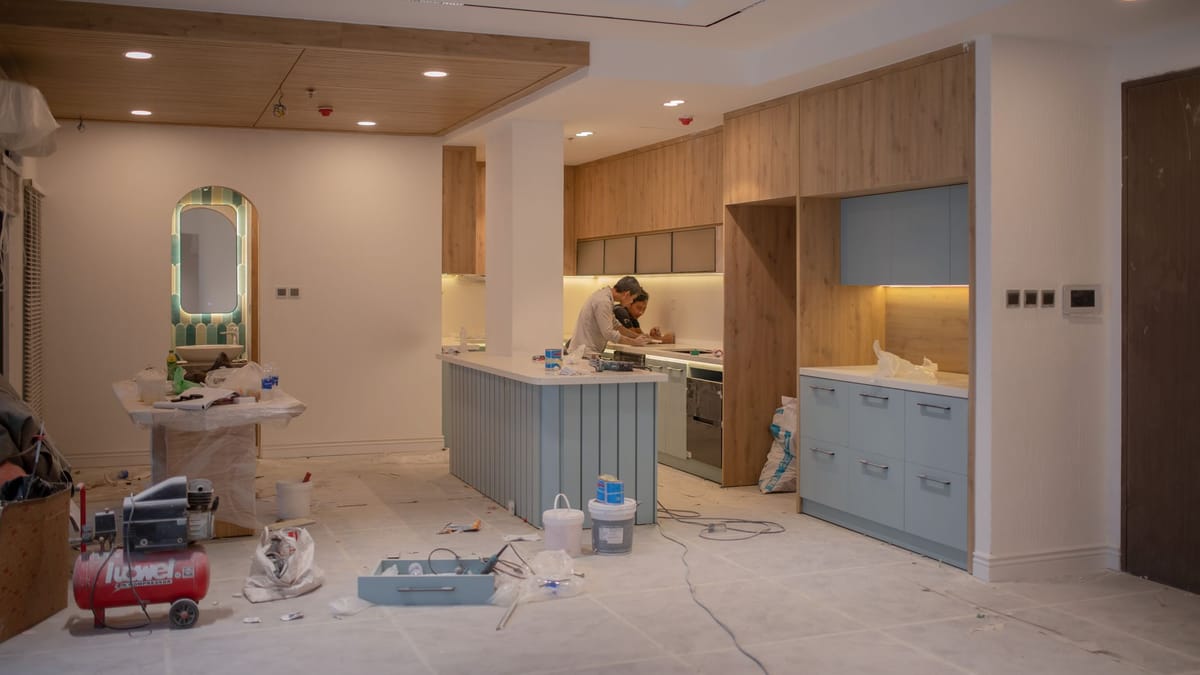
Cabinet Refacing Cost: 2026 Prices and What Drives Them
Cabinet refacing runs $4,234 to $10,226 on average and $150 to $450 per linear foot — but kitchen size, materials, and box condition decide where your quote lands. Here is how to read any estimate.
Read article →Construction & Materials
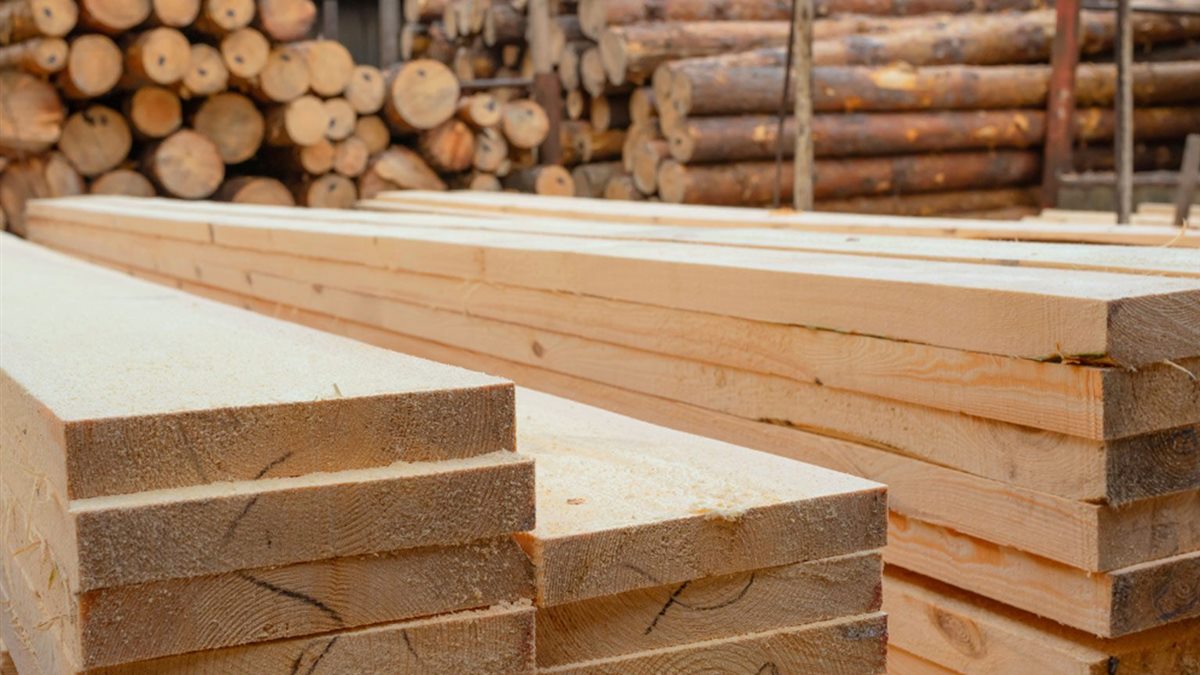
Baltic Birch Plywood Cabinets: What Makes Them Special?
Baltic birch is a premium grade of birch plywood — an all-birch, void-free core with roughly twice the plies of standard sheets. Here is what it is, why cabinetmakers reach for it, and how to tell the real thing from a lookalike.
Cabinet Plywood Thickness: Where 1/2 vs. 3/4 Inch Matters
Same plywood, different thickness, very different cabinet. Here is where 3/4-inch panels earn their keep — sides, bottoms, shelves — and where 1/2-inch is genuinely enough.
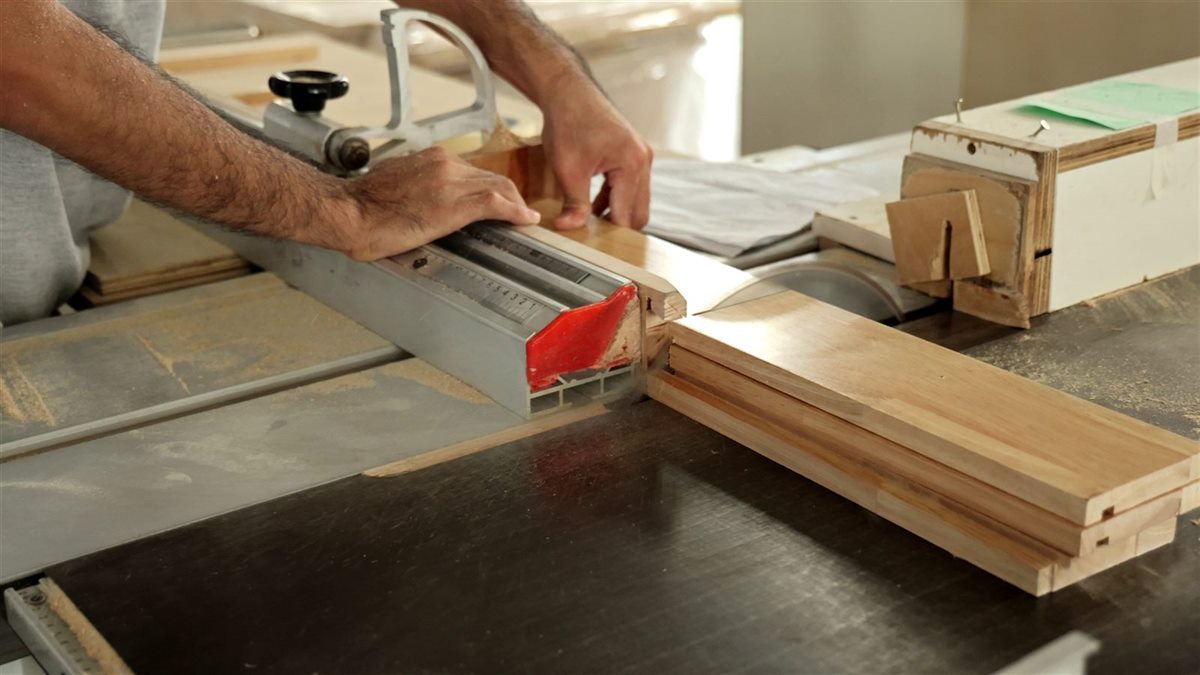
CARB P2 vs E0 vs ENF: Cabinet Emission Standards
Three acronyms police formaldehyde in cabinets: America's CARB P2, Europe's E0, Japan's ENF. Here is what each system measures, how they differ, and which question to ask any seller.
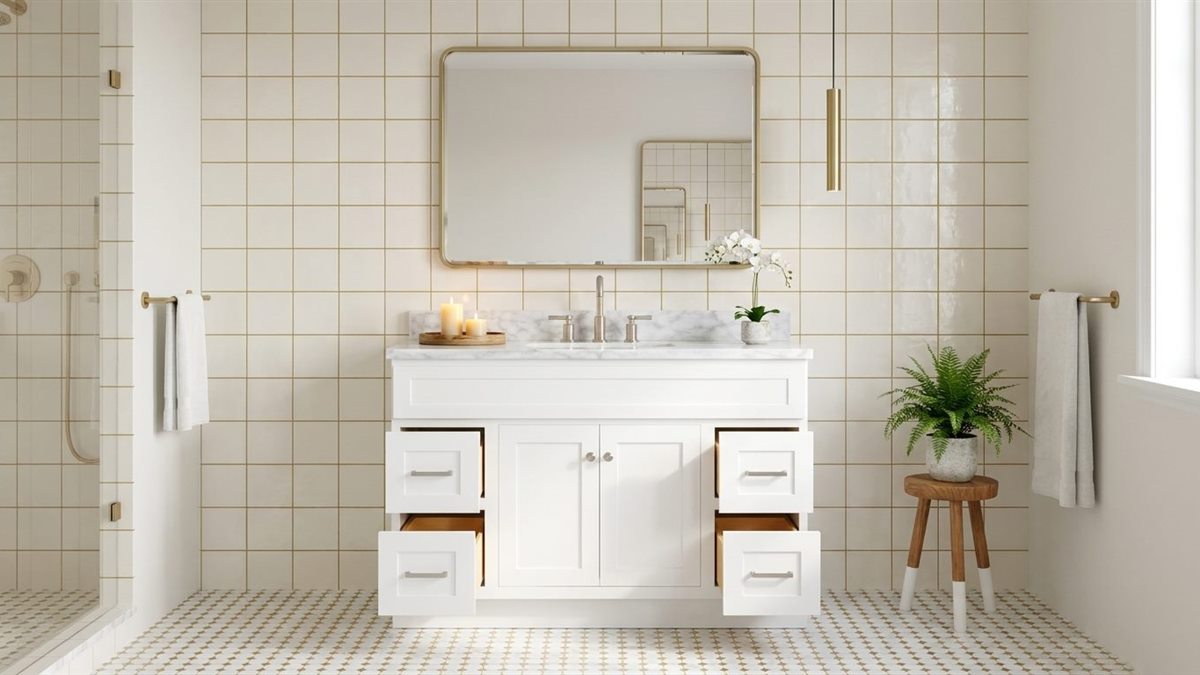
Framed vs. Frameless Cabinets: Differences, Pros and Cons
Framed cabinets fasten a hardwood frame to the front of the box; frameless cabinets skip it for full-access storage. Here is how the two builds compare on strength, space, style, cost, and installation.
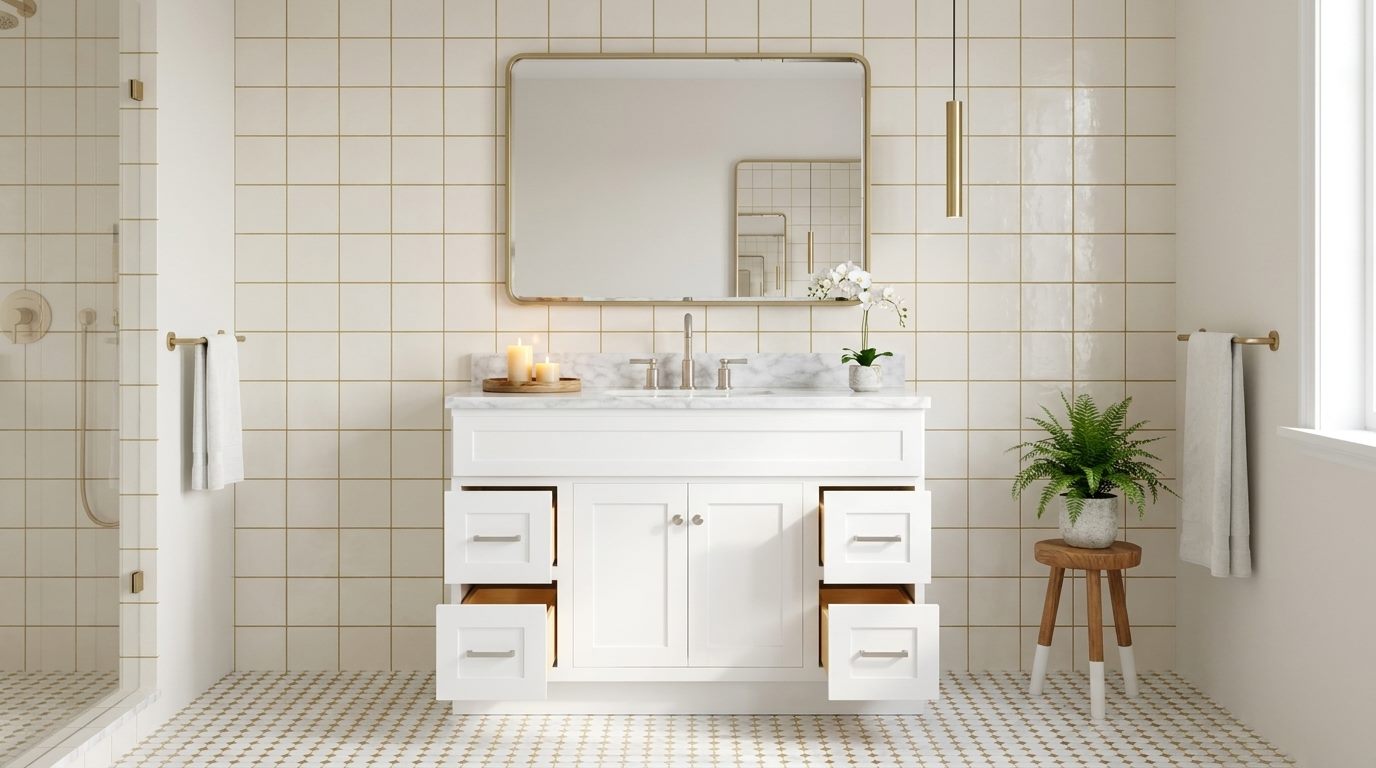
Are Imported Kitchen Cabinets Safe? What to Check Before You Buy
Cabinet safety has little to do with the country on the carton and everything to do with the standards it was built to — and whether you can verify them. Here's what to check before you buy.
What Is CARB P2 — and Why Cabinet Emissions Matter
Cabinets are mostly composite wood, and composite wood is held together with glue that can release formaldehyde. CARB P2 is the standard that limits it — here are the actual ppm ceilings and what they guarantee.
Plywood vs. Particleboard Cabinets: Which Lasts Longer?
The box material decides how long a cabinet survives sink leaks, humidity, and years of door slams. Here's the honest plywood-vs-particleboard breakdown.
Buying RTA
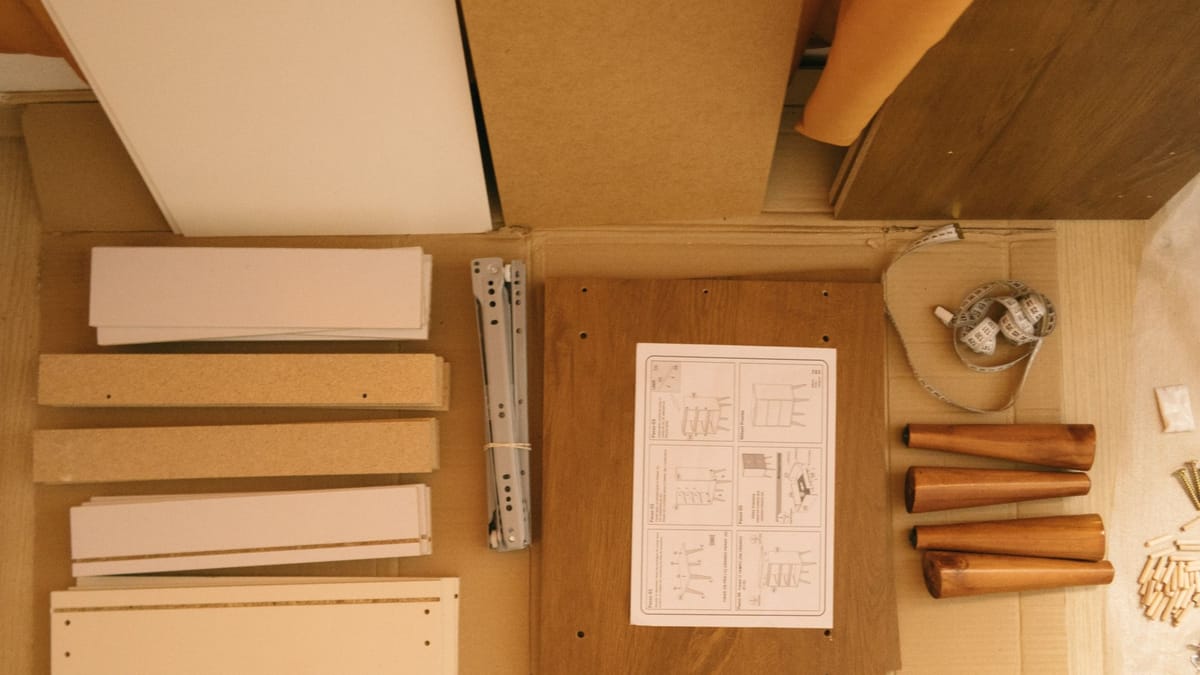
Unassembled Kitchen Cabinets: What to Know First
Unassembled kitchen cabinets ship flat and trade a weekend of straightforward assembly for real savings. Who they suit, how delivery works, how long the build takes, and when assembled boxes are worth it.
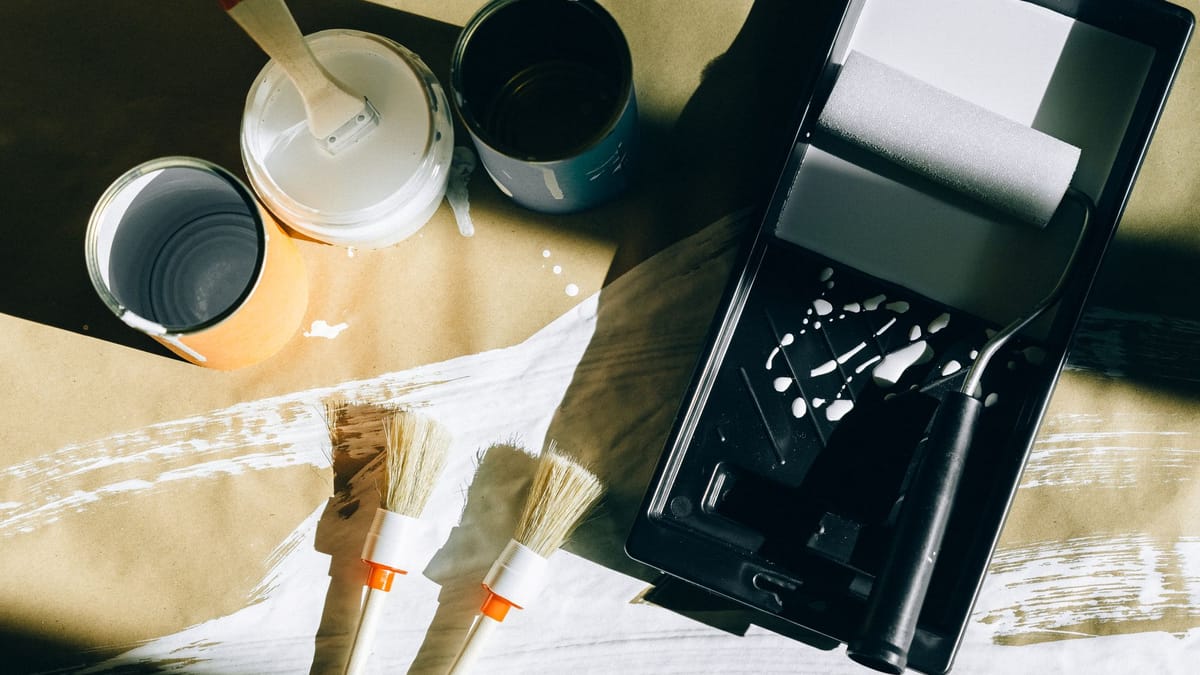
Hire a Cabinet Painting Contractor: 12 Questions
A skilled cabinet painter makes old boxes look factory-new; a careless one leaves brush marks and chips within a year. Where to find candidates, what to ask, how to compare quotes fairly, and what belongs in the contract.
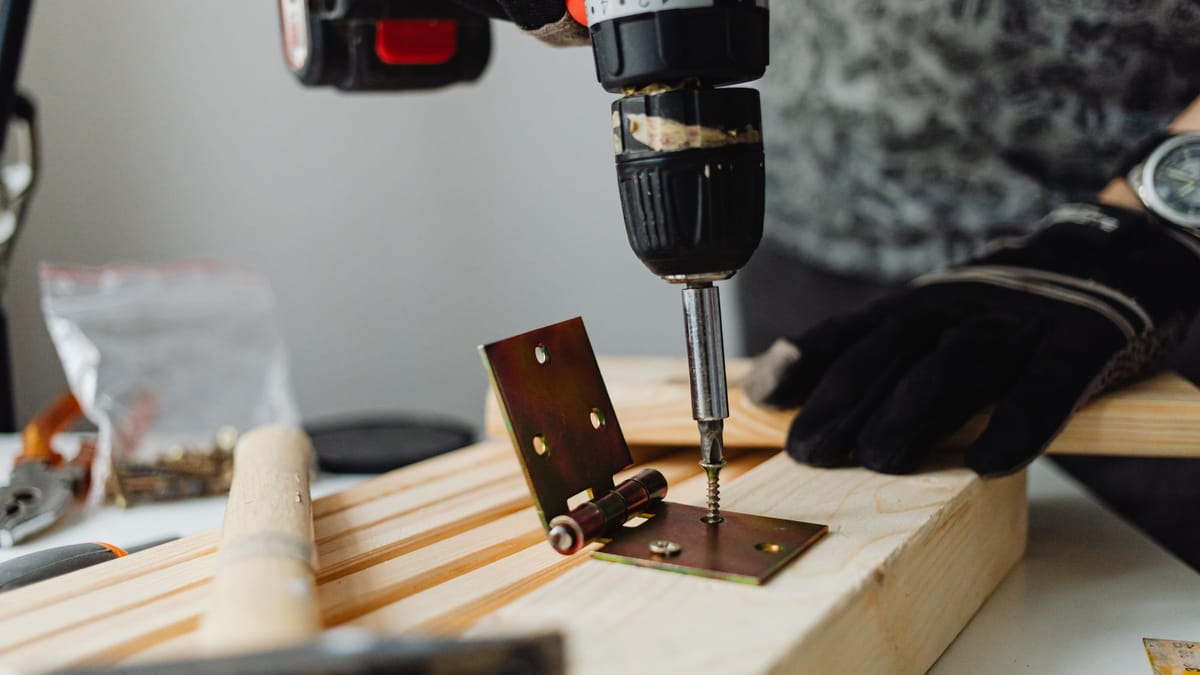
How to Hire a Cabinet Refacing Contractor Guide
Refacing lives or dies on craftsmanship — new doors and veneer over old boxes forgive nothing. What to ask, how to judge samples, which warranty terms matter, the warning signs that end the interview, and how to compare three quotes fairly.
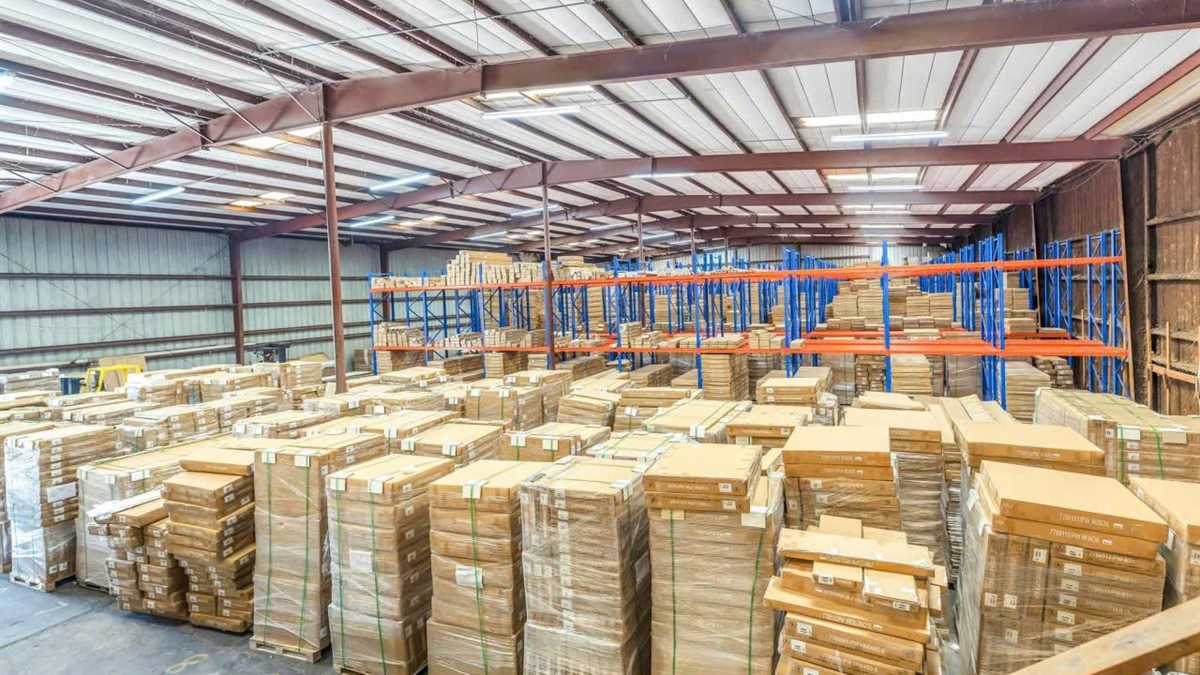
How to Order Wholesale Cabinets Online: 6 Steps
Ordering wholesale cabinets online is a six-step loop: measurements, style and finish, cabinet list, quote, review, and freight. Here is what to prepare at each step so the quote comes back right the first time.
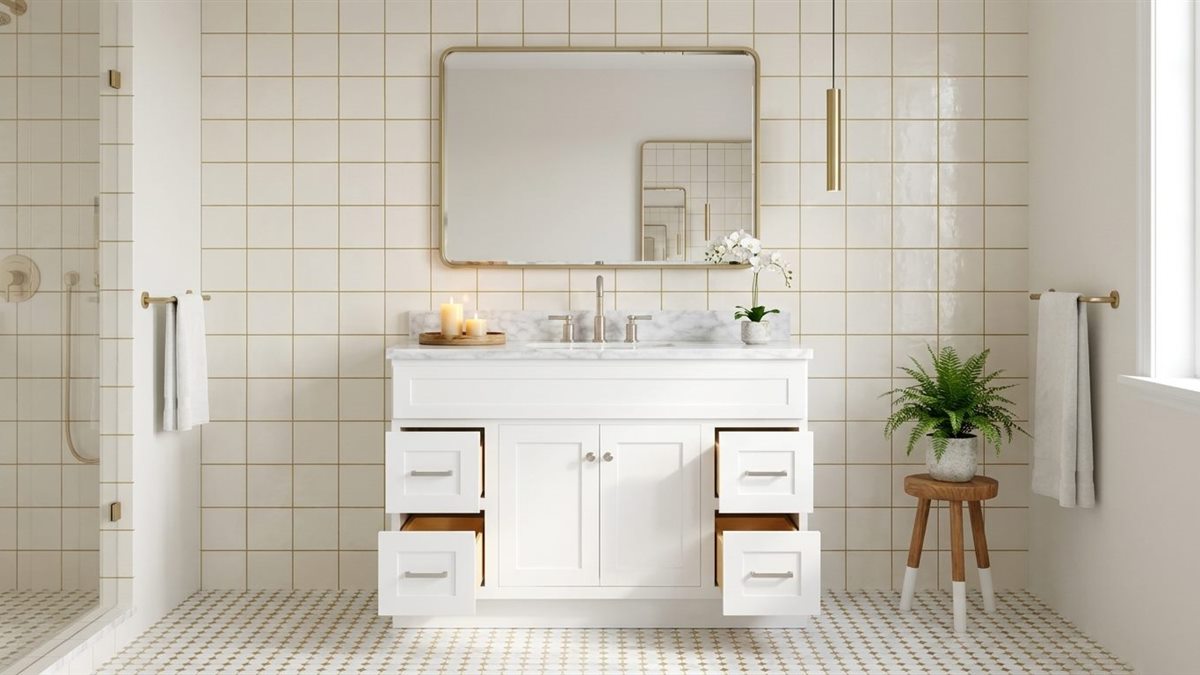
How Long Do Kitchen Cabinets Last? Lifespan by Material
A kitchen cabinet's life runs 20 to 50 years, and the spread is decided by five things: box material, hardware, install quality, moisture, and care. Here is how each one moves the number.
Trade Program Benefits for Cabinet Dealers
Cabinet trade programs bundle project-based pricing, measuring and quoting help, simpler repeat orders, and one contact for your jobs — here is what each part covers and how to ask.
Cabinet Knobs vs Pulls: Sizes, Placement & Style Guide
Knobs, pulls, or both? Here is how to choose cabinet hardware by door and drawer, size it to the drawer width, place it consistently, and install it yourself with a simple jig.
Contractor Cabinet Ordering Checklist: 7 QA Checks
Repeat orders don't fail on the big cabinets — they fail on the small details: a reused plan, a wrong hinge, a finish that drifted between batches, a missing filler. Seven checks before you release the PO.
How to Find a Cabinet Installer: Vetting Guide
The cabinets are only half the project — the hands that hang them decide how it looks in ten years. Where to find installer candidates, what to ask, which warning signs end the interview, and what belongs in the contract.
Recessed Medicine Cabinets: Fit, Size, and Install
Recessed medicine cabinets sit flush and save inches — but only if the wall cooperates. Studs, pipes, wires, sizing, and the safe install order.
Cabinet Warranties: What Coverage Really Means
Every cabinet line promises a warranty — few buyers read what it covers. Limited lifetime vs year terms, the standard exclusions, and how to compare two warranties honestly.
Kitchen Cabinet Buying Guide (2026): Construction, Cost, and How to Order
Box construction, door styles, RTA vs. assembled vs. custom, sizes, and the factory-direct ordering path — everything a first-time cabinet buyer needs, in order.
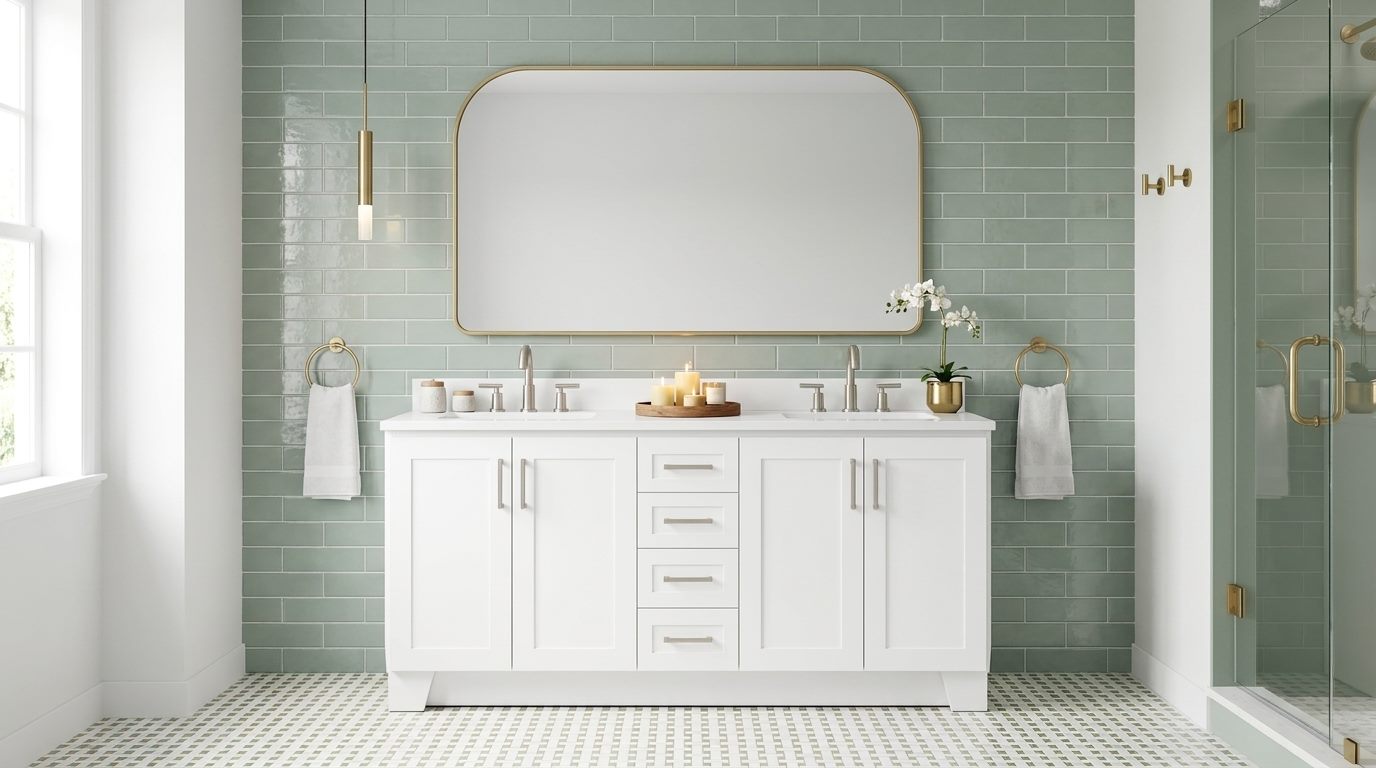
How RTA Cabinets Ship: Freight, Lead Times and Damage Claims
RTA cabinets ship flat-packed on freight, so a whole kitchen arrives compact and affordable. How the freight process, lead times, and damage claims really work.
Wholesale Cabinets for Contractors: Bulk Orders and Spec Sheets
Wholesale cabinets turn a stack of similar jobs into a repeatable supply line — consistent boxes, spec sheets, freight you can schedule, and trade pricing on bulk factory-direct orders.
How to Assemble RTA Cabinets: A Step-by-Step Guide
Ready-to-assemble cabinets arrive flat and go together with a handful of basic tools. A clear, step-by-step walkthrough of the cam-lock sequence, the back panel, mounting doors, and dialing in soft-close.
RTA vs. Assembled vs. Custom Cabinets: Which Should You Buy?
Four ways to buy kitchen cabinets — RTA, stock pre-assembled, semi-custom, and full custom — compared honestly on cost, lead time, quality, and flexibility, with a scenario-by-scenario guide to picking yours.
Are RTA Cabinets Worth It? An Honest Buyer's Guide
Ready-to-assemble cabinets cut cost by shipping flat — but quality lives in the box material, not the assembly. An honest look at whether RTA is right for you.
Sizes & Measuring
Standard Cabinet Depth: Base, Wall & Tall Sizes
Base cabinets run 24 inches deep, wall cabinets 12, and tall cabinets 24 — depth is the most fixed dimension in the kitchen. Here is what each standard means, when it changes, and how to measure it.
Standard Cabinet Widths: 9-to-48-Inch Guide
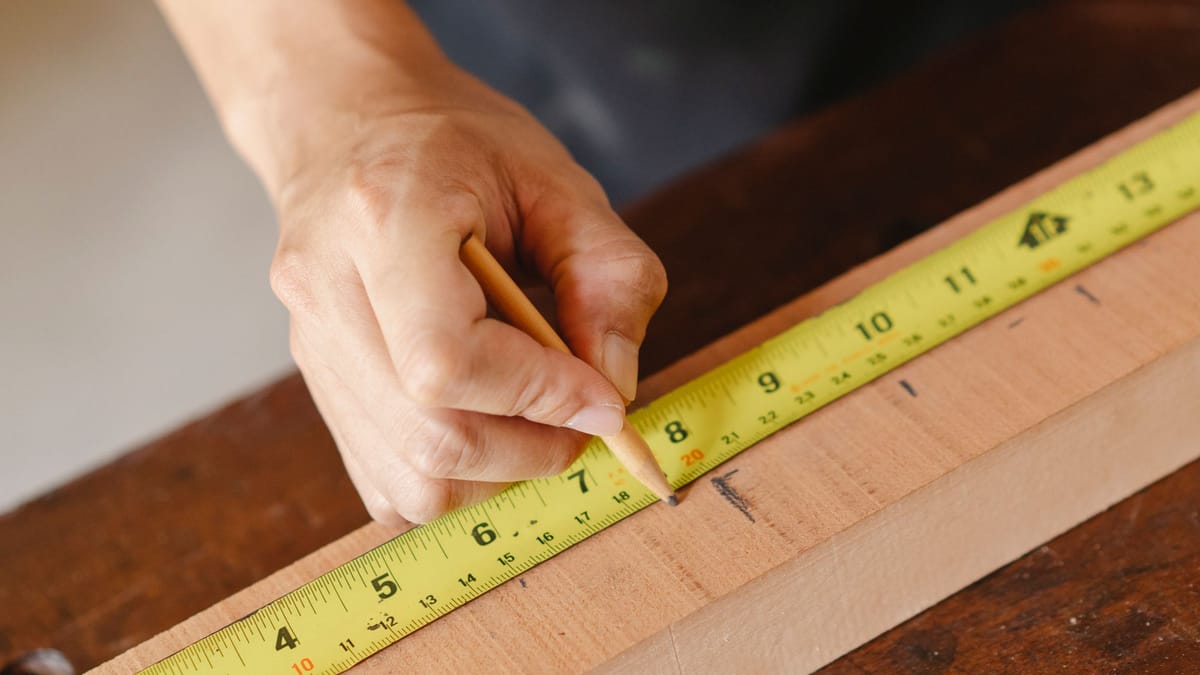
Every cabinet category — base, wall, tall, and vanity — shares one width grid: 9 to 48 inches in 3-inch steps. Here is which widths each category actually uses and what to do when your wall lands between sizes.
Standard Upper Cabinet Height: Sizes & Mounting Guide
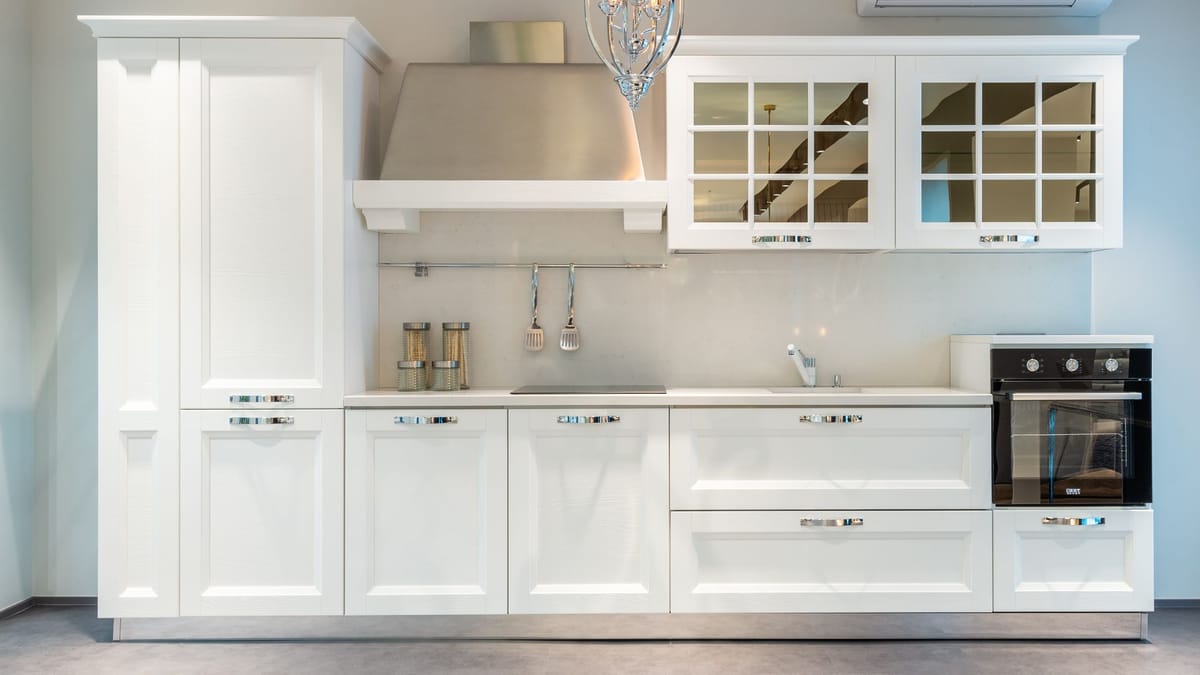
Upper cabinets come in 30, 36, and 42-inch heights and hang 18 inches above the counter. Here is how to pick by ceiling height, handle 9-foot ceilings with stacked units, and mark the mounting line.
Base Cabinet Sizes & Types: Standard Dimensions Explained
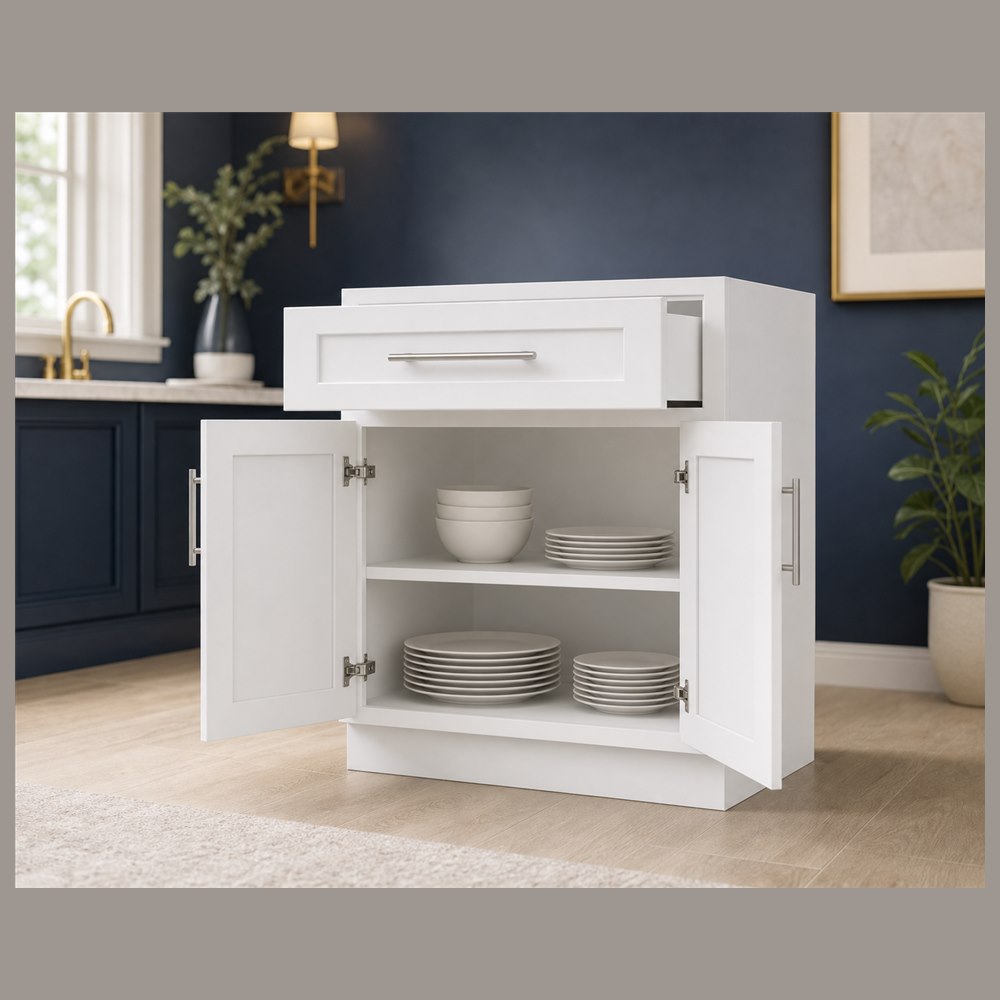
Every base cabinet is 34½ inches high and 24 inches deep — width is the only variable. Here are the standard widths and the six types that cover almost every kitchen, each linked to a real cabinet spec.
Wall Cabinet Sizes & Heights: Standard Dimensions Explained
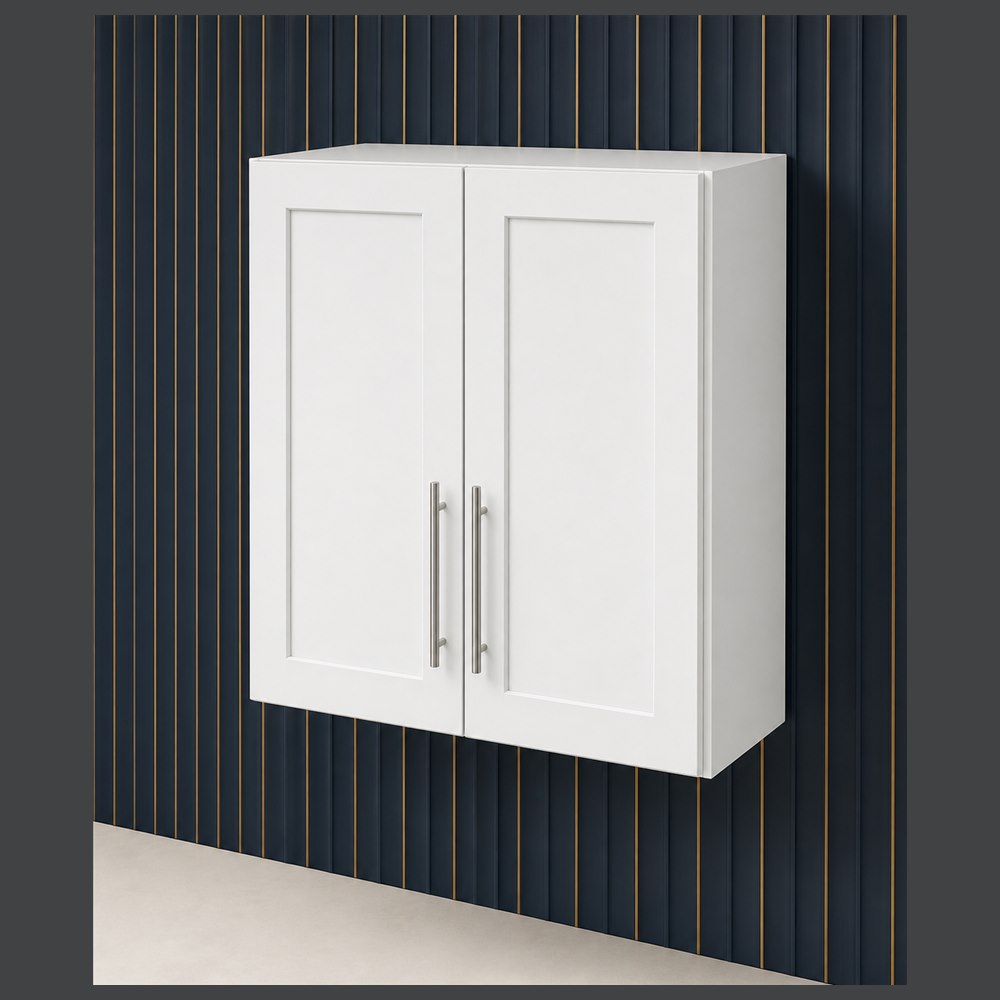
Wall cabinets are 12 inches deep and come in 30, 36, and 42-inch heights — pick by ceiling height, not taste. Here are the standard sizes, the types that matter, and how high to hang them.
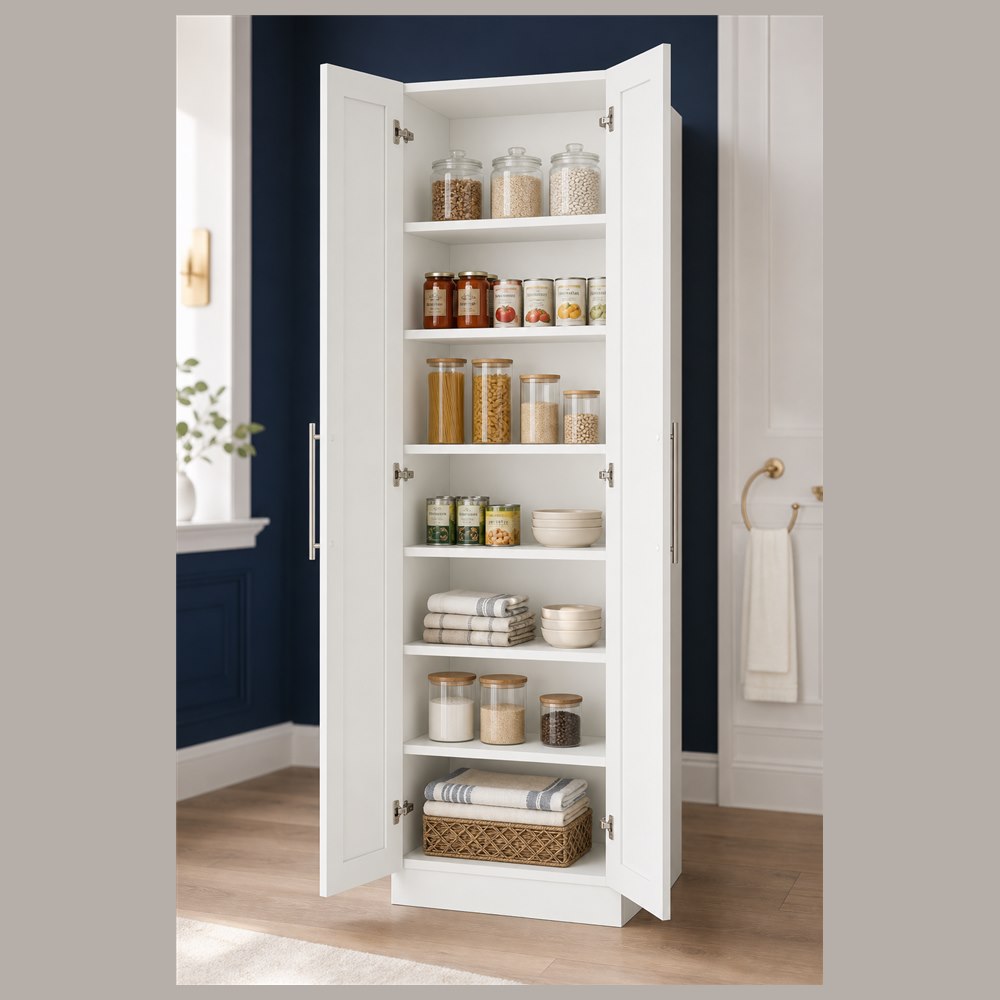
Tall Pantry Cabinet Sizes: 84, 90 & 96-Inch Guide
Tall pantries come in three heights — 84, 90, and 96 inches — and the ceiling picks for you. Here is how to match height, align tops with wall cabinets, and choose width without wasting inches.
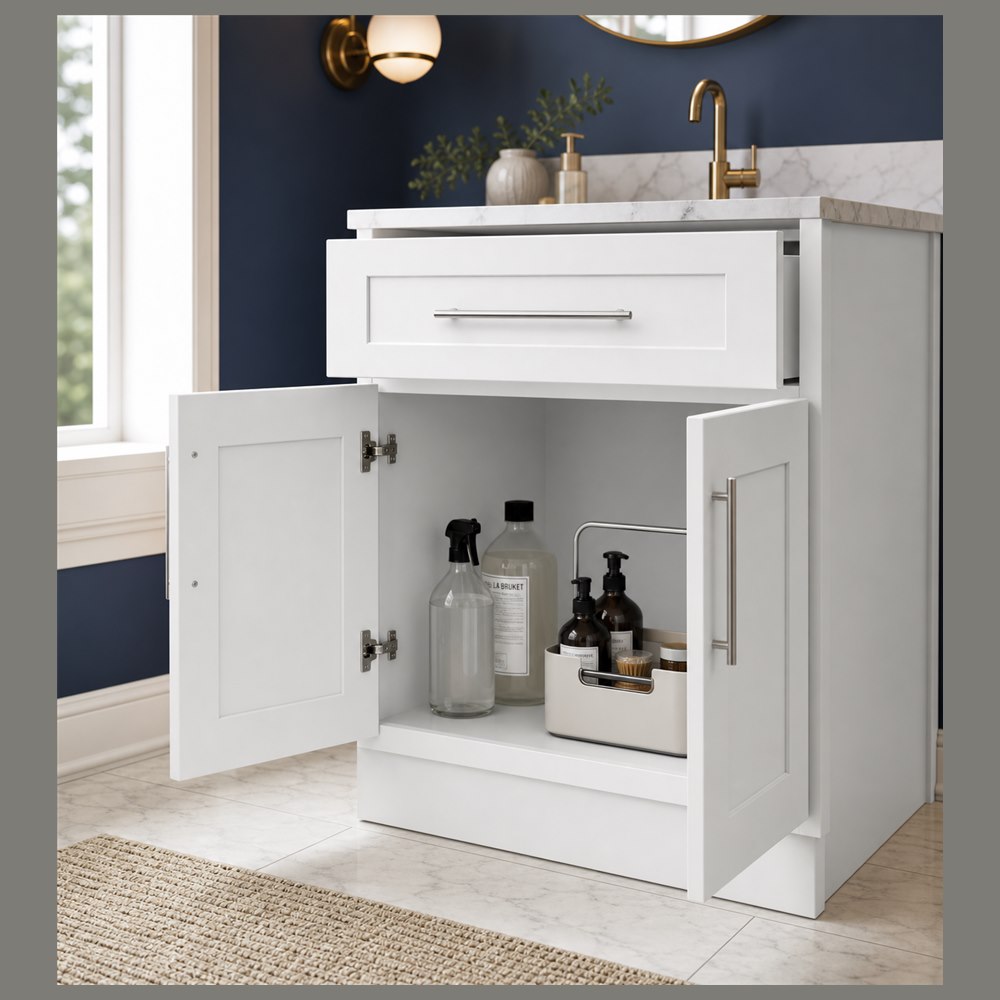
Bathroom Vanity Sizes: 24 to 60-Inch Guide
Vanities are kitchen base cabinets narrowed to 21 inches deep — same 34½-inch height, widths from 24 to 60 inches. Here is which width fits which bathroom, single vs double sink, and the small-bath tricks.
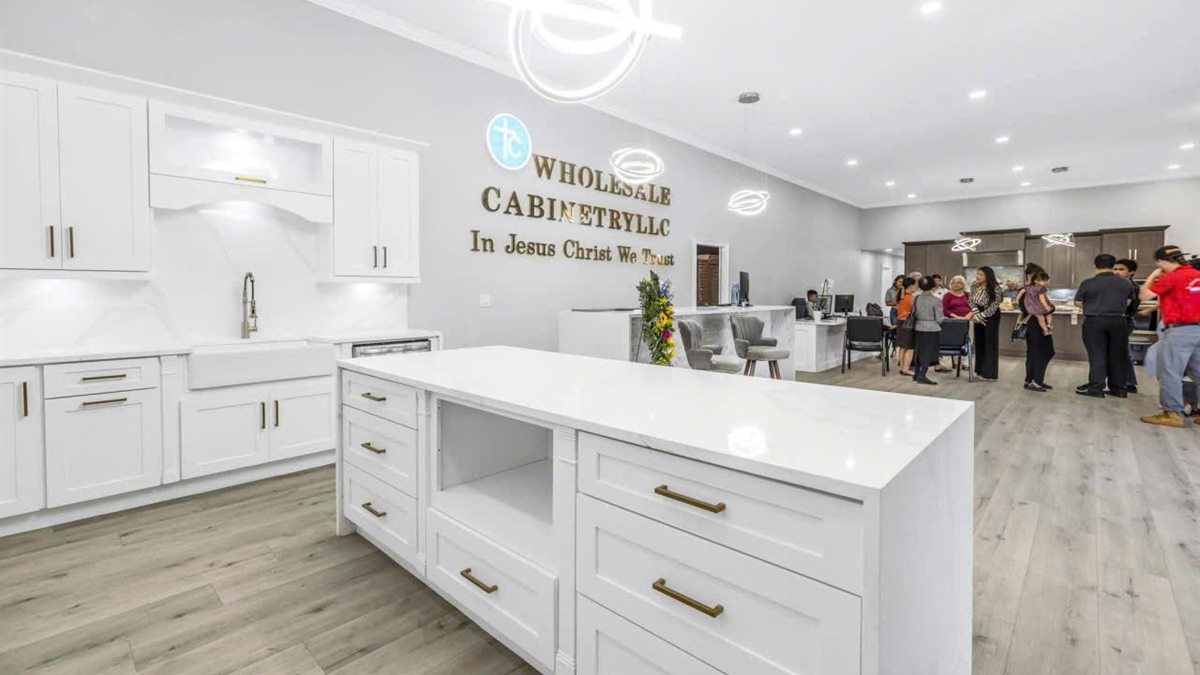
Kitchen Cabinet Layouts and Fillers: L, Galley, U
Pick the layout that fits your room — L-shape, galley, or U-shape — then plan the filler strips that make stock cabinet widths fit wall to wall without binding doors or drawers.
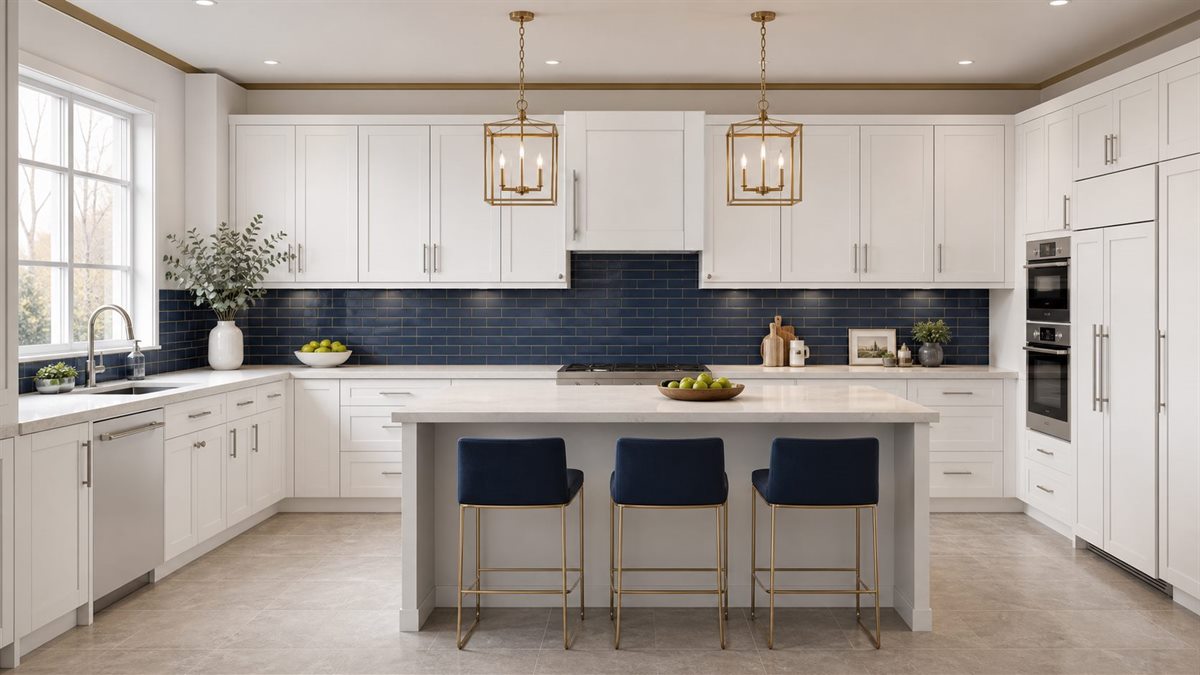
Small Kitchens, Standard Cabinets: Sizes That Fit
A small kitchen does not need custom boxes — it needs the narrow end of the standard menu. Here are the widths, heights, and corner units that make tight layouts work, each linked to a real cabinet spec.
Corner Cabinets and Lazy Susans: Sizes That Work
The corner is where kitchens lose storage. Here is how blind corners, lazy susans, and easy-reach cabinets compare on size, access, and cost — and which one fits your layout.
How to Measure Your Kitchen for New Cabinets
A clear, repeatable way to measure your kitchen for new cabinets — wall-to-wall lengths, where to mark windows, doors, outlets, and appliances, and the working clearances that keep a layout livable.
Kitchen Cabinet Sizes & Dimensions: The Complete Guide
Base, wall, and tall cabinets follow a short menu of standard sizes. Here are the widths, heights, and depths that matter — in printable tables where every row maps to a cabinet you can order.
Cost & Value
Cabinet Refacing Cost: 2026 Prices and What Drives Them
Cabinet refacing runs $4,234 to $10,226 on average and $150 to $450 per linear foot — but kitchen size, materials, and box condition decide where your quote lands. Here is how to read any estimate.
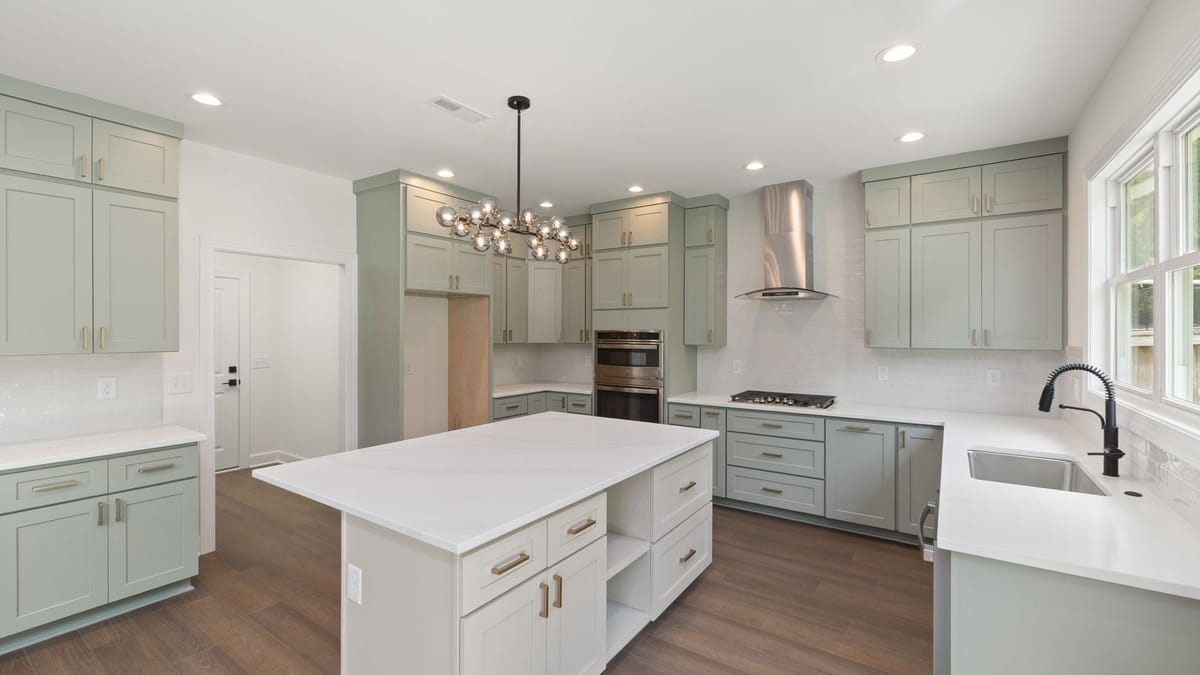
Cost to Paint Kitchen Cabinets: 2026 Price Guide
Professional cabinet painting runs $425–$6,500 depending on finish type — sprayed enamel at the top, brush work at the bottom. Here is the per-door, per-foot math behind every quote, plus when paint stops being worth it.
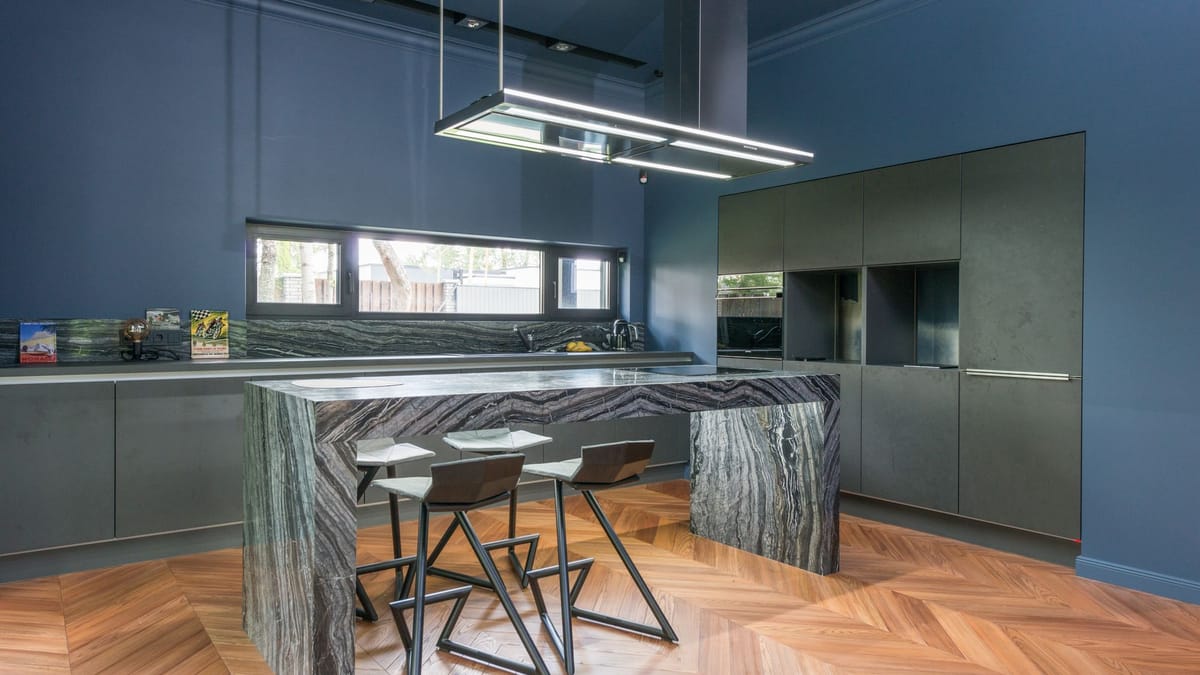
How Much Do Custom Kitchen Cabinets Cost in 2026?
Custom kitchen cabinets typically run $500–$1,200 per linear foot installed — several times the price of stock boxes. Here is what that premium actually buys, what pushes it up or down, and how to tell whether your kitchen truly needs custom or just well-chosen standard cabinets.
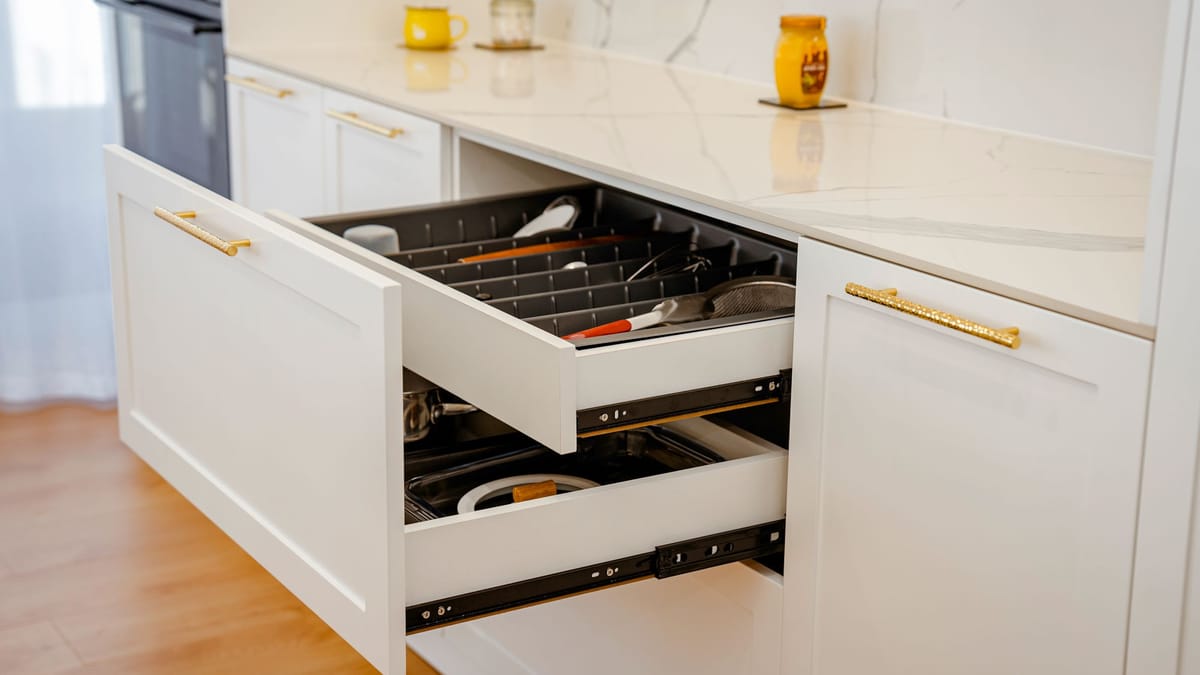
Cabinet Hardware Installation Cost: 2026 Price Guide
Hiring a pro to install cabinet pulls or knobs runs $5–$30 per piece in labor, or $120–$2,400 for a typical kitchen. Here is the per-piece math, the DIY vs pro comparison, and what moves quotes up or down.
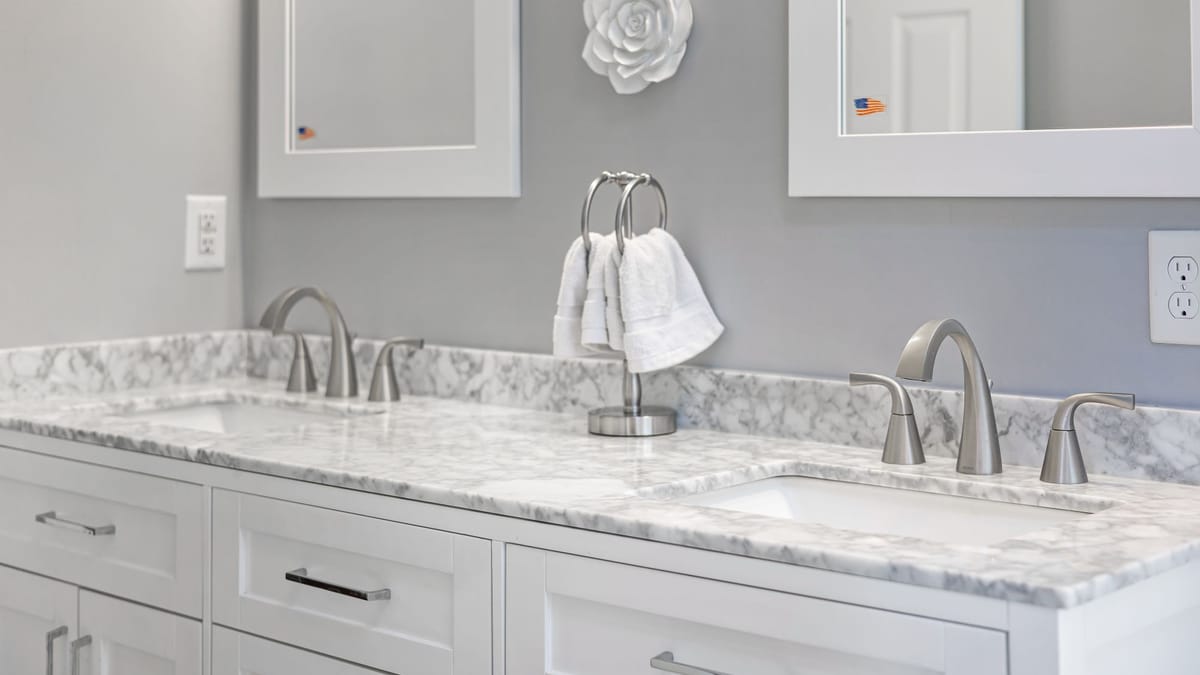
Cost to Replace a Bathroom Vanity: 2026 Guide
Replacing a bathroom vanity usually lands between $700 and $4,500 all-in — the box, the plumber and installer, plus the top, sink, and faucet. Here is what each line costs and where DIY actually saves.
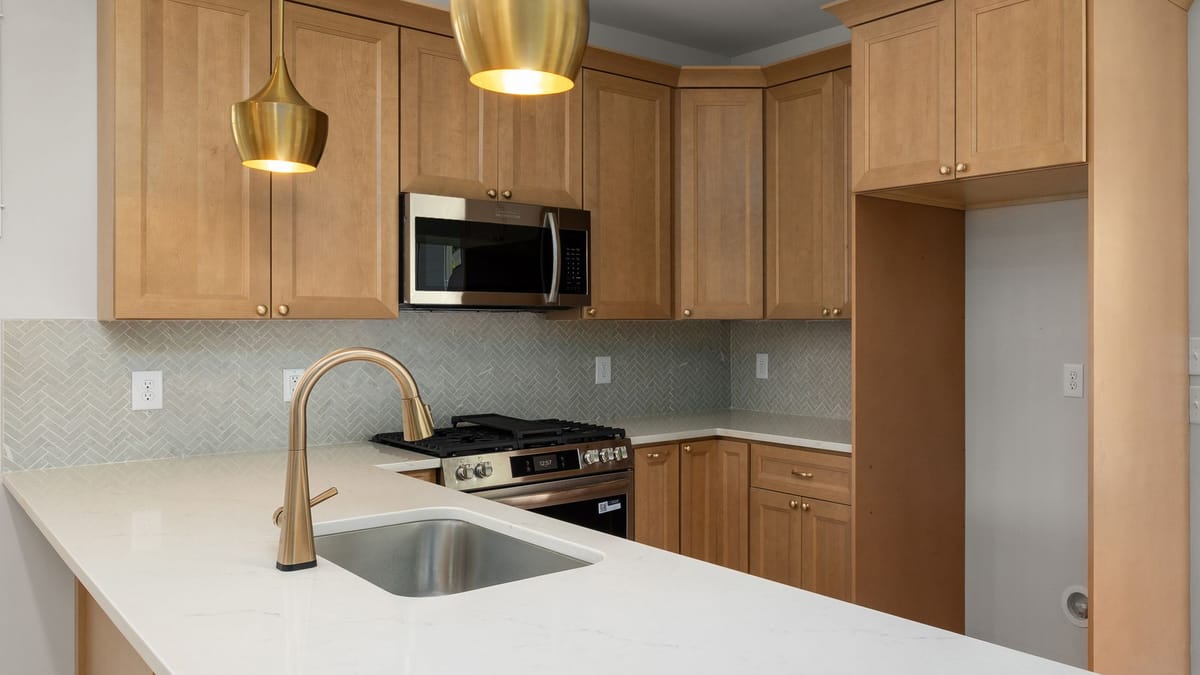
Cabinet Refinishing Cost: 2026 Stain & Paint Guide
Professional cabinet refinishing averages about $3,116 — but a simple repaint can land under $1,500 while a full strip-and-restain runs to $5,000. Here is what each method includes, what wood condition adds, and when refinishing stops being worth it.
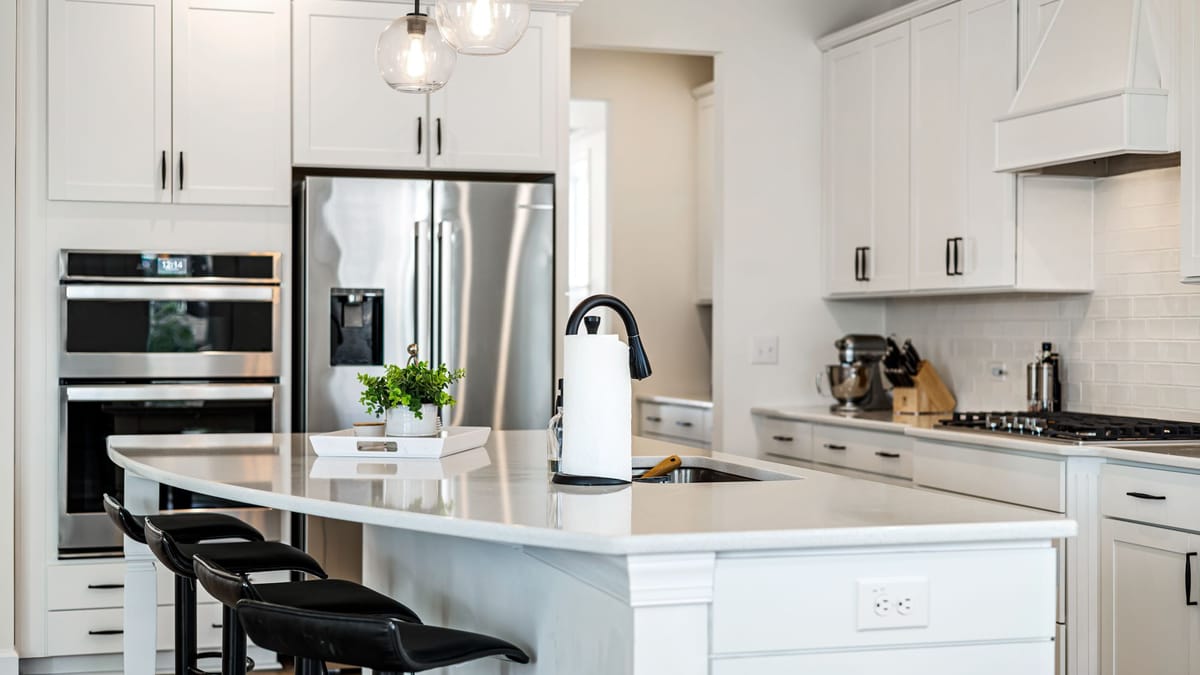
Do Kitchen Cabinets Increase Home Value? ROI Guide
New kitchen cabinets can lift what buyers will pay — but rarely dollar for dollar. Here is what the national ROI data actually says about minor versus major kitchen remodels, when replacing cabinets is worth it, when it is not, and how to get the most resale value without over-improving.
Cabinet Refacing vs Replacing: Cost and When Each Wins
Refacing runs $4,234 to $10,226 on average and saves 30–50% over replacing — but only when the boxes underneath are sound. Here is how to tell which side your kitchen falls on.
10x10 Kitchen Cabinet Cost: What the Quote Means
A 10×10 quote is the industry's apples-to-apples yardstick: one sample layout, cabinets only. Here is what it includes, what it leaves out, and the third-party ranges to hold any quote against.
Kitchen Cabinet Installation Cost: Labor Explained
Install labor for a full kitchen averages $6,191 (Angi 2026 data), but quotes swing wide with pricing method and project scope. Here is how installers charge, what moves the number, and how to vet one.
What Affects Your RTA Cabinet Quote? A Cost Guide
An RTA cabinet quote is a parts list with a price attached — boxes, doors, finish, hardware, accessories, and freight. Here is what each line means, what moves the total, and how to compare quotes fairly.
Kitchen Cabinet Cost Per Linear Foot Explained
Per-linear-foot pricing divides the cabinet total by the wall length the cabinets cover — but quotes disagree on what a foot includes. Here is how to measure, what to ask, and current third-party ranges by tier.
Cost to Replace Kitchen Cabinets: Full 2026 Breakdown
A full cabinet replacement typically runs $4,500 to $15,000 installed — boxes plus demolition, disposal, and labor. Here is what each line of that total actually buys.
How Much of a Remodel Budget Goes to Cabinets?
Cabinets take the biggest slice of a kitchen remodel — about 29% per published industry breakdowns. Here is the one-third rule, how the rest of the budget splits, and how to keep the cabinet line under control.
Cost to Paint vs Replace Cabinets: Which Saves More?
A pro spray-enamel paint job typically runs $3,000–$9,000 — 60–70% less than new boxes. But paint only rescues kitchens whose boxes and layout deserve rescuing. Here is the box test that decides.
How to Compare Cabinet Quotes and Spot the Real Deal
Two cabinet quotes with different totals usually describe two different kitchens. Here is how to force every quote onto identical scope, spot the vague ones, and ask the questions that expose the real final cost.
Cabinet Tariffs 2026–2027: 25% Now, 50% From January — What It Means for Your Quote
Imported cabinets carry a 25% Section 232 tariff today, rising to 50% on January 1, 2027 — a date already delayed once. Here's what each rule says, what it adds to a quote, and why in-stock U.S. inventory sidesteps the increase.
How Much Do Kitchen Cabinets Cost? RTA vs. Assembled vs. Custom
Kitchen cabinet cost comes down to three things — material, construction, and how you buy. An honest, no-sticker-shock breakdown of RTA, assembled, semi-custom, and custom pricing by the linear foot, plus the hidden costs of hardware, countertops, and installation.
Design & Finishes
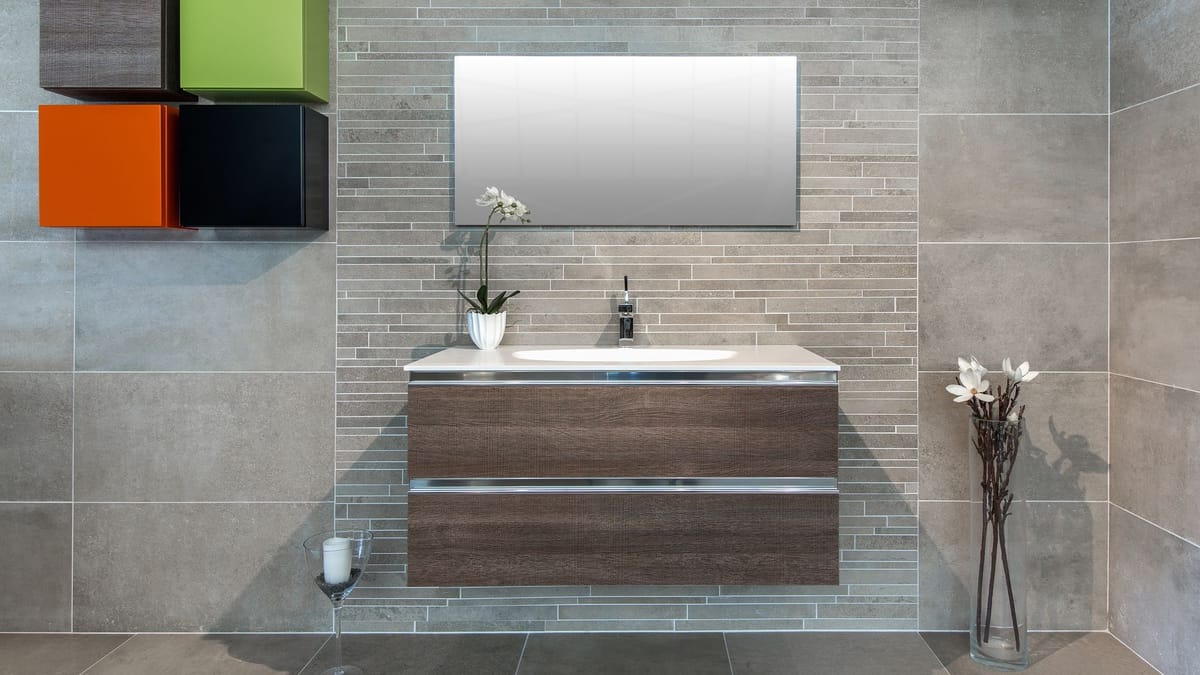
Floating Bathroom Vanity Guide: Sizes & Mounting
A floating vanity bolts to the wall and leaves the floor open, so a small bathroom reads bigger and cleans easier. Here are the right widths, the 32 to 36-inch mounting height, what wall plumbing demands, and when legs win instead.
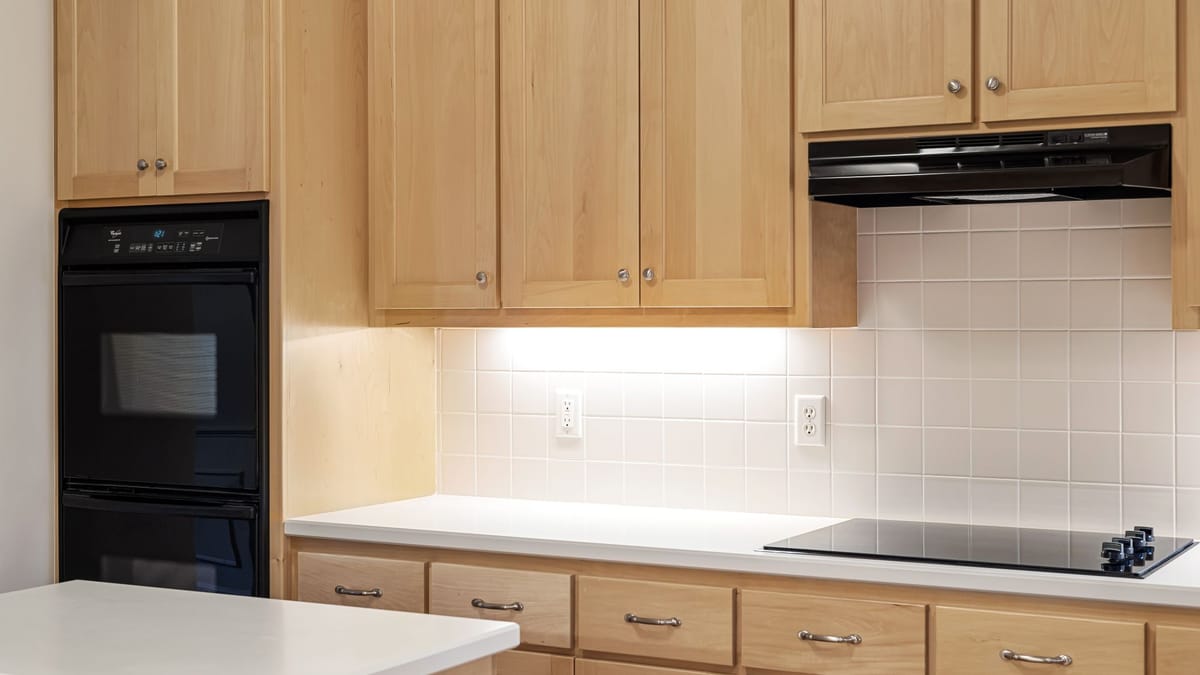
RTA White Oak Cabinets: Grain, Finish & Cost Guide
Warm grain, modern calm: RTA white oak cabinets bring natural texture that paint can't copy. Here's how to pick the cut, the finish, and the budget — and keep the look.
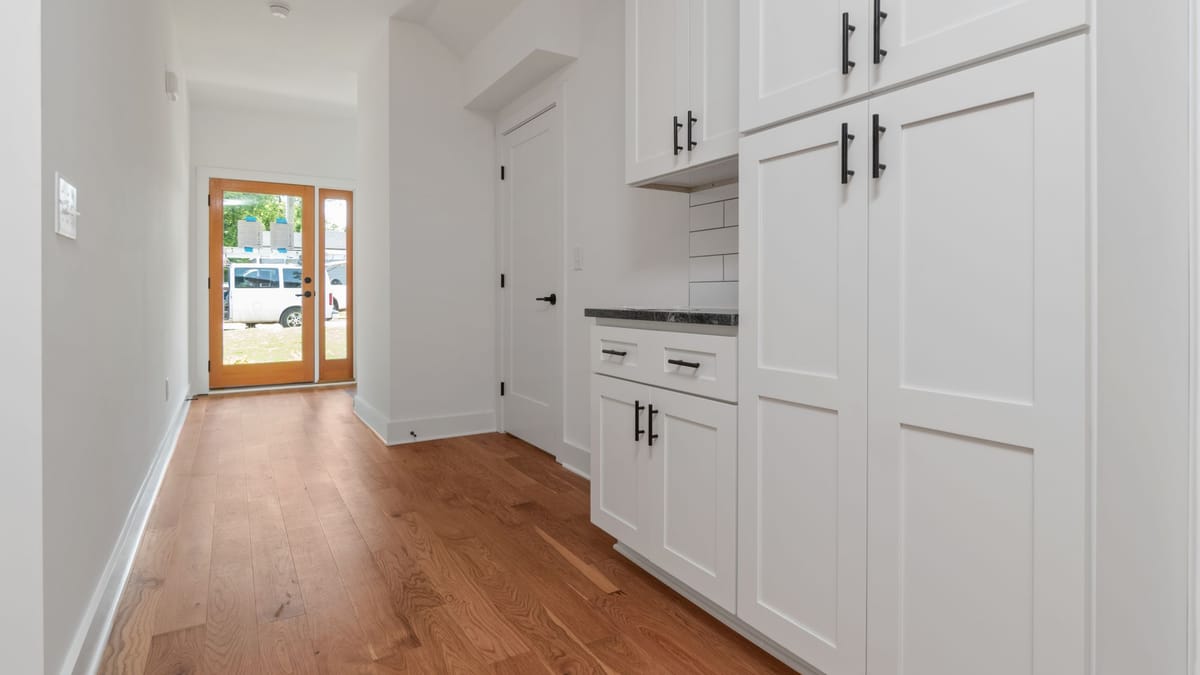
Shaker Cabinet Door Anatomy: Stiles, Rails, Panels
Every Shaker door is five pieces working as a system: two stiles, two rails, and a floating center panel. Learn what each part does, how the joints differ, and where quality actually shows.
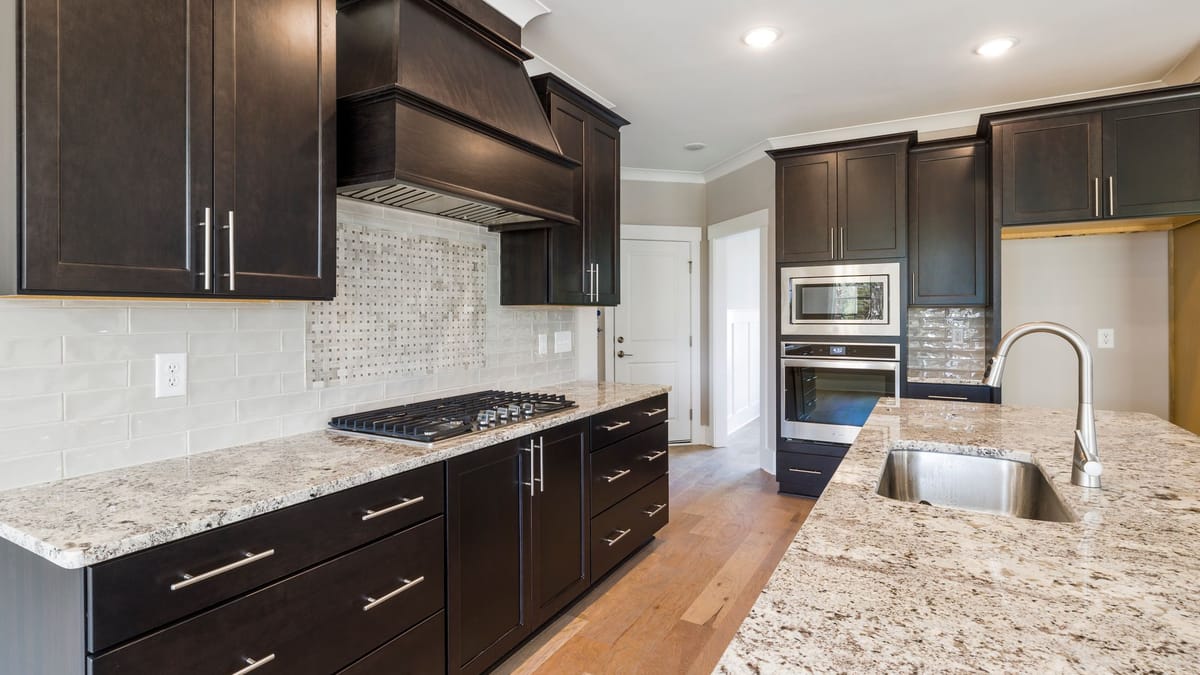
Espresso Shaker Cabinets: Dark, Warm & Timeless
Deep brown, near-black in dim light and warm where daylight hits it — here is how espresso Shaker cabinets behave in a real kitchen, what to pair them with, and how to keep dark doors looking their best.
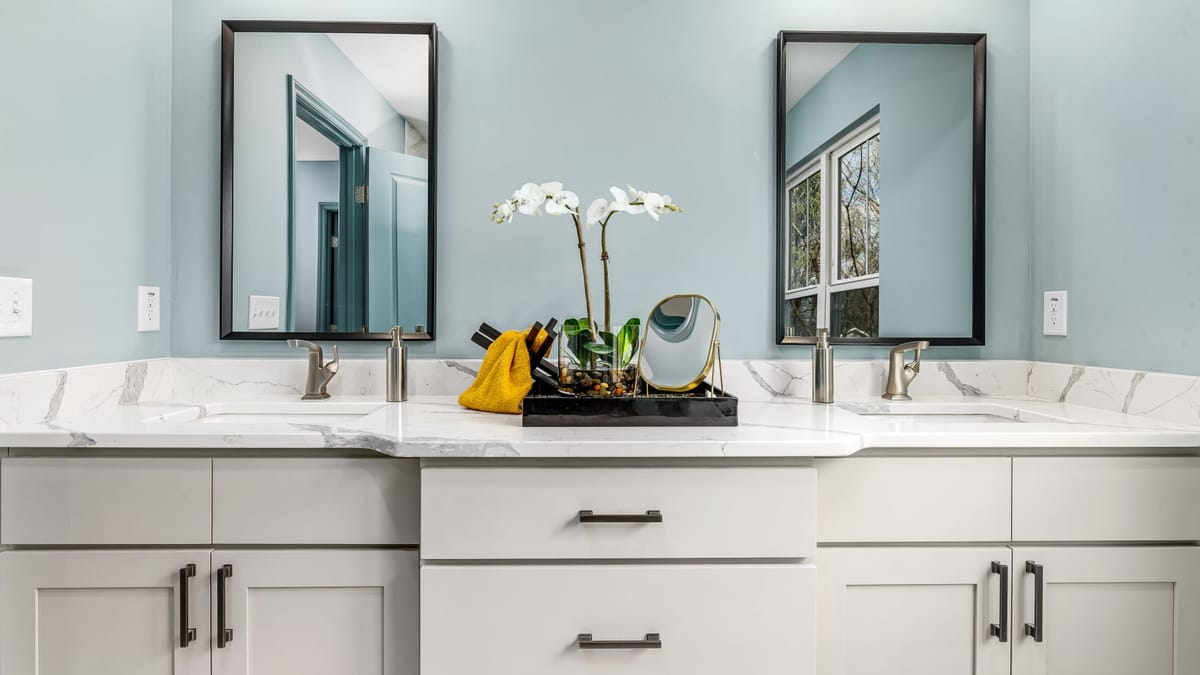
Under-Sink Vanity Cabinets: Sizes & Plumbing Guide
An under-sink vanity is a standard vanity box designed around the drain and supply lines — open back, cutout-friendly interior, and doors or drawers that work around the trap. Here is how to size it, hide the plumbing, protect it from moisture, and choose wall-hung or floor-standing.
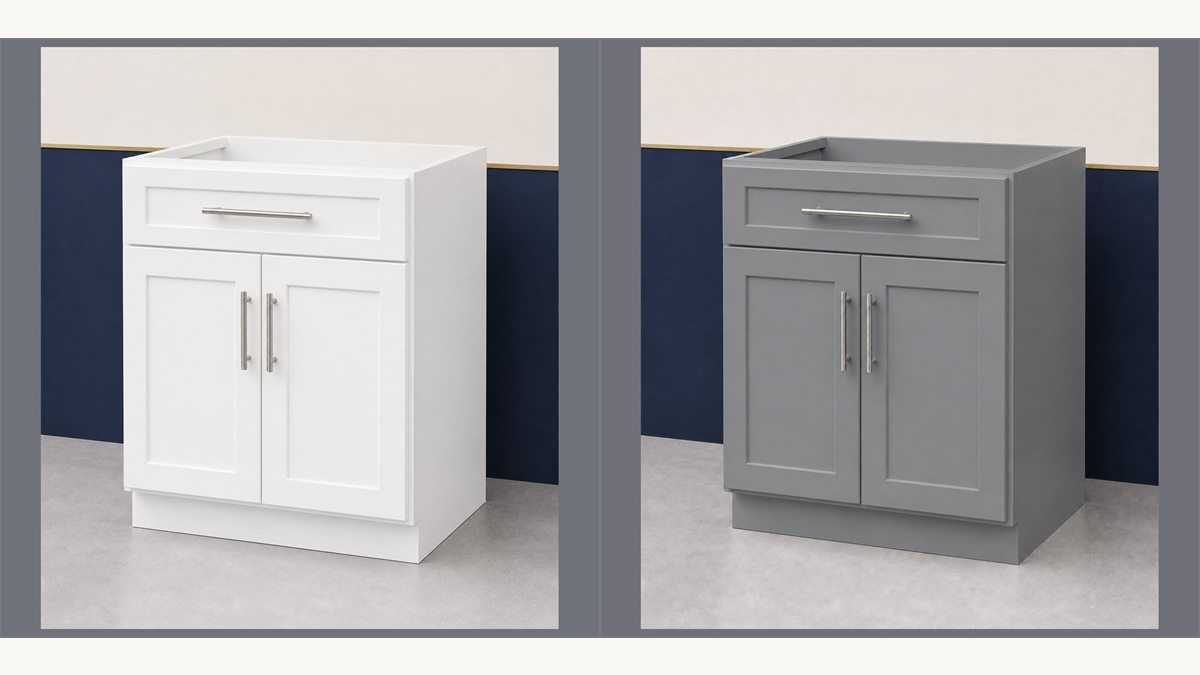
Shaker Cabinet Colors: Gray, Cream, Espresso-Look & Wood
White is only the starting point. Here is how gray, cream, espresso-look, and wood-tone Shaker cabinets each behave in a real kitchen — and how to confirm the color before you commit.
Under-Cabinet Lighting: Puck vs Strip and Placement
Under-cabinet lights erase countertop shadows and make a kitchen feel finished. Here is how to pick puck vs strip, temperature, placement, and controls.
Wall Colors With White Shaker Cabinets: Pairing Rules
White cabinets take almost any wall color — which is exactly why walls go wrong. Match undertones, mind the light, and test big swatches before committing.
Shaker Cabinet Doors: Profile, Panel, and What to Check
Five pieces make a Shaker door: two rails, two stiles, one recessed panel. Here is what each part does, where quality hides, and what to check when boxes arrive.
Ready-to-Assemble Shaker Cabinets: The Complete Guide
Why the five-piece Shaker door stays the safe, timeless choice — and how ready-to-assemble Shaker cabinets deliver it factory-direct, in white and gray.
White vs. Gray Shaker Cabinets: How to Choose
Same door, two moods: white Shaker brightens and opens a room, gray Shaker adds depth and forgives smudges. Here's how to choose — and how to see the real finish first.
Care & Maintenance
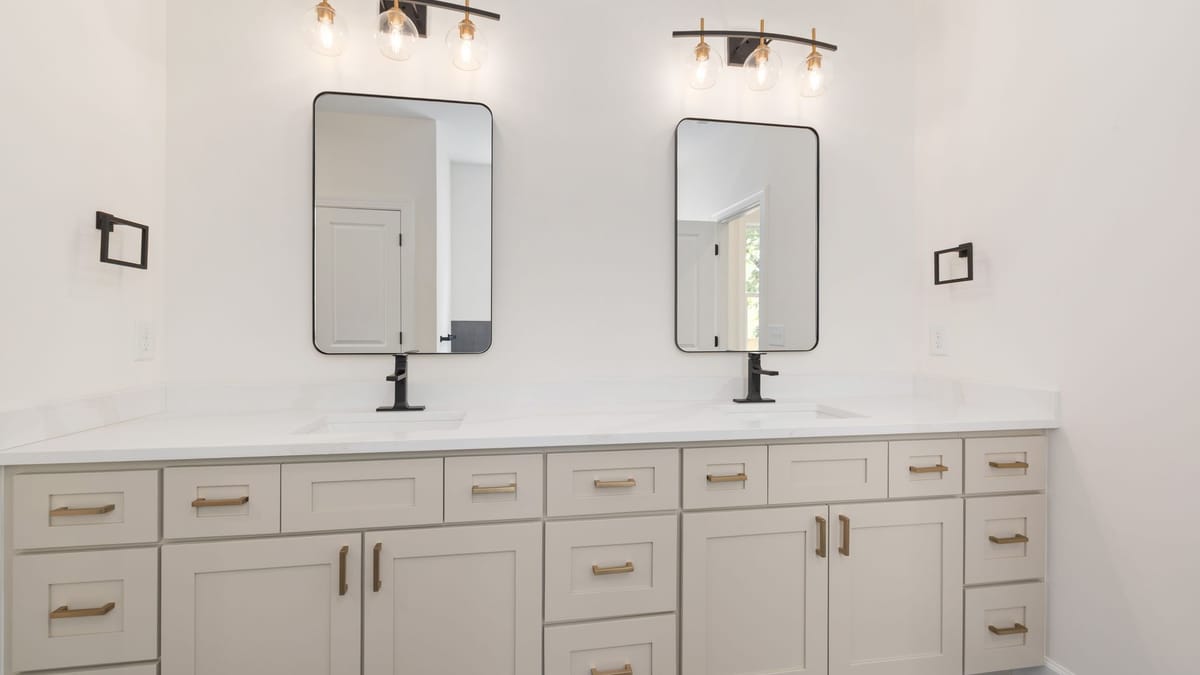
How to Install a Bathroom Vanity Step by Step
A vanity install is six jobs in a trench coat: shut off the water, pull the old cabinet, level the new base against the wall, set the top, reconnect the P-trap, and seal everything with silicone. Here is the order that avoids callbacks.
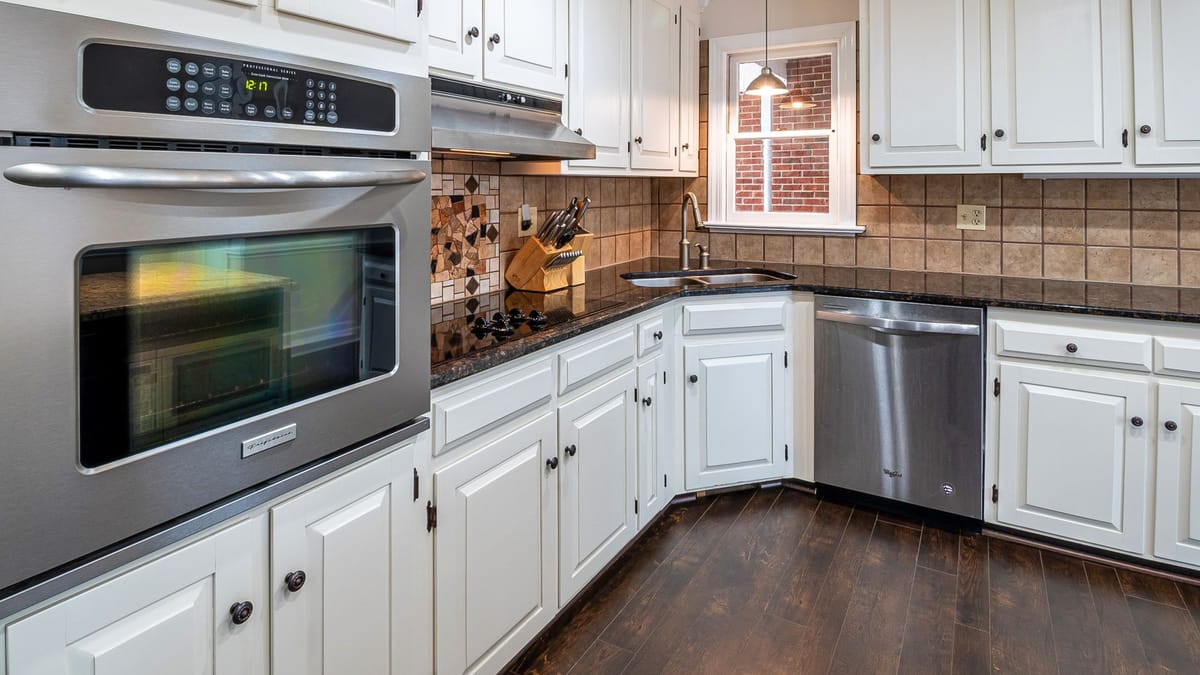
How to Paint Oak Cabinets: Smooth, Lasting Finish
Oak cabinets can look smooth and modern under paint — but only if you fill the grain, block tannins with shellac primer, and topcoat with real cabinet enamel. Here is the full system, plus when to keep the grain showing.
How to Clean Kitchen Cabinets Without Damaging Them
Most cabinet finishes need the same gentle routine: mild dish soap, a soft well-wrung cloth, a rinse wipe, and a full dry. Here is how that changes by finish — and what to avoid.
Why White Cabinets Turn Yellow (and How to Stop It)
Some yellowing wipes off — grease and steam film. Some never does — oil-based paint aging in dark, ammonia-exposed spots. Here is how to tell which one you have and what to do about each.
How to Prevent Moisture Damage to Kitchen Cabinets
Swollen edges, bubbling paint, and soft sink bases all start the same way: small, repeated moisture that nobody dries. Here is how to shut off each source before the box itself is damaged.