
Why White Cabinets Turn Yellow (and How to Stop It)
By TC Wholesale Cabinetry · Editorial team
September 8, 2026 · 8 min read
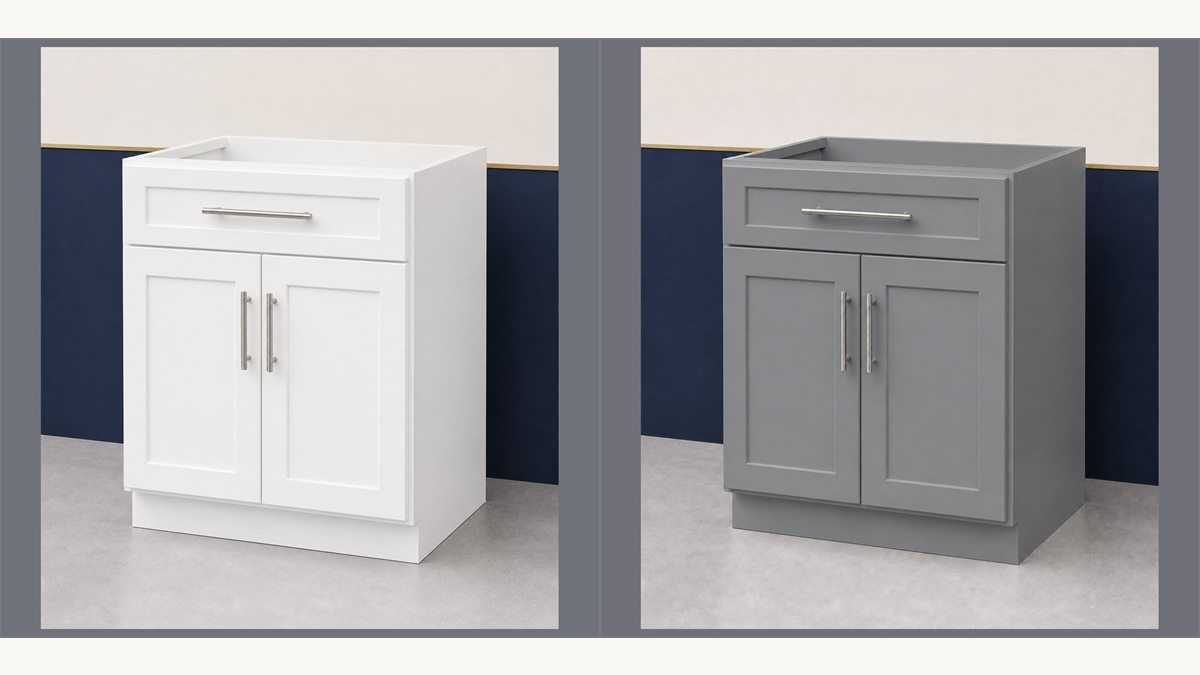
The short answer: yellowing on the surface — grease, steam film, smoke — usually cleans off; yellowing inside the paint itself almost never does. Oil-based (alkyd) enamels develop a yellow cast as they age, fastest in dark spots and around ammonia, and that change is chemical, not dirt. The wipe test below tells you which one you are looking at in about a minute.
Grease, heat, or the paint itself? Start here
Dampen a microfiber cloth with warm water and a drop of mild dish soap, wring it nearly dry, and rub a yellowed spot near the stove for 15 seconds. If the cloth picks up a sticky amber film and the paint looks whiter underneath, you have surface buildup — cleanable, and this article's cleaning section is your fix. If the cloth stays clean and the yellow looks baked into the finish itself, evenly and without texture, you likely have paint-chemistry yellowing — skip to oil-based vs water-based paint, because no cleaner reverses that. Location is a second clue: yellowing worst on doors nearest the range points to heat and grease; yellowing worst inside dark corners, behind appliances, or on cabinet interiors nobody sees points to the paint (Behr Pro lists lack of light and heat from stoves and ducts among the formal causes of yellowing paint).
Why white cabinets turn yellow: the 6 causes
- Cooking grease and smoke film. Airborne oil vapor settles on every surface near the range — even with a range hood running — and builds into a sticky yellowish layer that shows first and worst on white (Apap Painting & Renovations, May-2025 cabinet guide). Prime Cabinetry's Dec-2025 care guide names heat plus airborne grease the most common culprit overall, noting visible yellowing can begin as soon as 5–7 years after install.
- Heat and steam. Doors and drawer fronts nearest ovens, ranges, dishwashers, and heating ducts take constant thermal punishment, and Behr Pro's paint problem solver lists exposure to heat from stoves, radiators, and heating ducts as a standalone cause of yellow cast in aging paint. Steam adds moisture to the assault, which discolors finishes over time when ventilation is poor.
- UV and sunlight. Direct sun breaks down paint pigments and protective topcoats, so doors facing big sunny windows yellow first and unevenly — one run of cabinets can read two different whites. Window film, blinds, or UV-blocking shades on the affected windows stop the side-by-side mismatch from getting worse.
- Oil-based paint aging. Alkyd and oil-based enamels yellow from the inside out as they cure and age — oxidation of the oil film itself, per Behr. This is the one cause that strikes even shaded, cool, well-kept cabinets, and it is the reason a 10-year-old white kitchen can look cream next to a fresh sample door. Covered in detail in the next section.
- Ammonia exposure. Behr Pro names ammonia-containing cleaning products (its example: Windex) as a direct cause of yellowing, noting alkyds yellow worst where protected from sunlight or exposed to ammonia cleaners. Paint pros widely report the same mechanism from water-based latex paints drying in the same room as fresh oil enamel — which is why oil and water-based work should be scheduled weeks apart with ventilation, per Dulux Trade's technical advice.
- Lack of light. The same white enamel stays whiter in daylight and yellows in the dark: interiors, backs of doors, cabinet boxes behind appliances. Dulux Trade calls this out explicitly — yellowing shows most where natural light is poor, such as inside cupboards, behind furniture, and in door jambs — because daylight bleaches out the colored compounds while darkness lets them accumulate.
Oil-based vs water-based paint: the yellowing divide
This is the section that decides repaints, so it deserves the chemistry. During drying, alkyd enamels form compounds called chromophores — literally colored chemicals — that daylight gradually bleaches out of the film. Where light never reaches, they stay and accumulate, which is why Dulux Trade's technical advice describes yellowing as an industry-wide characteristic of all oil-based enamels, most visible in pale and white films, often patchy, and — the hard sentence — irreversible once it has occurred. Some oil blends discolor more than others depending on the vegetable-oil base (safflower, sunflower, soya), but Dulux is blunt that every alkyd enamel can be expected to develop a yellow tone over time, especially away from daylight. Behr Pro draws the same line from the other side: alkyds yellow by their curing mechanism, while latex paints and waterborne varnishes resist yellowing.
The practical takeaways: if your cabinets were finished years ago in oil-based enamel — common on older painted kitchens and site-painted trim — gradual creaming is the finish behaving as that chemistry behaves, and cleaning will not bring back the original white. If you are repainting or ordering new doors, a quality water-based enamel or factory waterborne coating is the non-yellowing choice; Dulux recommends exactly that where a permanently white finish is required. And never run oil enamel and fresh water-based paint in the same closed-up room at the same time — Dulux advises curing water-based coats up to two weeks first, with fans and ventilation, so ammonia vapor escapes instead of permanently tinting the enamel. Compare a suspect door against samples in your own kitchen light before deciding between cleaning and refinishing.
Can yellowed cabinets go white again?
If the wipe test showed surface film, yes — often dramatically. Work gently and in this order, from mildest upward, stopping as soon as the white returns. Full step-by-step routines live in our cabinet cleaning guide; this is the yellow-specific version:
- Dish soap and warm water first. A few drops of mild dish soap in warm water on a wrung-out microfiber cloth, wiping with the grain, then a clean damp rinse cloth and a dry towel. This alone lifts most grease film if you have been reasonably regular — about 52% of homeowners wipe cabinets weekly, per Prime Cabinetry's Dec-2025 guide.
- Baking-soda paste for stubborn spots. Mix roughly half a cup of baking soda with a quarter cup of water (or hydrogen peroxide for tougher stains) into a paste, apply with a soft sponge or toothbrush, let it sit about five minutes, then wipe clean and dry (Apap Painting's cabinet method).
- Diluted vinegar or a cabinet-safe degreaser for greasy zones. Effective around the range hood and above the stove — but rinse and dry after, and never let painted surfaces stay wet.
- Stop at these lines: no bleach or ammonia-based cleaners (they attack finishes and, per Behr, feed the very yellowing you are fighting), no oil-based polishes, no hard scrubbing with Magic Erasers (they wear the sheen down with repeated use), no steam cleaners (heat plus moisture loosens finishes and the wood beneath) — all flagged in Prime Cabinetry's what-not-to-use list.
If nothing in that sequence changes the color — the yellow is uniform, smooth, and cloth-proof — the discoloration is in the finish, not on it. Dulux's stated remedy is the only one that works: let the enamel harden fully, scuff-sand to remove gloss, and recoat with a non-yellowing water-based system. That is a refinish decision, and the honest trigger points are yellowing across most of the kitchen rather than the cook zone, plus any cracking, peeling, or wear in the film itself. Finish lifespan and replacement timing are covered in our cabinet lifespan guide — and if the boxes underneath are particleboard showing moisture damage, read plywood vs particleboard before spending refinish money on failing structure.
How to keep white cabinets from yellowing
- Run the range hood every time you cook — frying, sautéing, even simmering — and leave it on a few minutes after. Captured grease never lands on doors, which makes this the single highest-leverage habit.
- Give the kitchen air somewhere to go. Exhaust fans, cracked windows, balanced humidity — ventilation keeps grease particles and steam from settling and lingering on finishes.
- Shield the sunny run. Window film, blinds, or UV-blocking shades where cabinets take direct sun; prefer LED lighting over heat-heavy incandescents near cabinetry.
- Clean on a schedule, not on outrage. Quick wipe of knobs, handles, and stove-adjacent doors with a damp microfiber as routine, a full soap-and-water pass monthly — dried-on film is what turns into permanent-looking yellow.
- Keep ammonia and harsh chemistry away. Mild dish soap or manufacturer-approved cabinet cleaners only; read the label before any glass cleaner or degreaser goes near a painted door.
- Wipe spills fast and keep cloths barely damp. Coffee, food splatter, and standing moisture stain white paint if left, while soaking-wet cleaning swells and discolors it — wring the cloth, then dry the surface.
- Specify non-yellowing finishes on new work. Ordering new? Factory waterborne coatings hold white far longer than site-applied oil enamel — browse current whites in the cabinet catalog and check the exact shade against samples in your kitchen's light.
Questions homeowners actually ask
Why are my new white cabinets already yellowing?
On cabinets under a few years old, suspect the environment before the paint: heavy frying without consistent hood use, strong direct sun on one run, or oil enamel and fresh latex paint curing in the same closed-up room. Genuine age-yellowing of oil paint takes years; fast yellowing is almost always film, heat, light, or chemistry during the job — all fixable once identified.
Does sunlight or darkness cause more yellowing?
Both, through different doors. UV degrades pigments and topcoats on sun-struck doors, causing fading and uneven yellowing. Darkness preserves the yellow chromophores in oil-based enamel, so interiors and shadowed spots cream over. White kitchens need both fixes: shade the sunny elevations, and don't judge — or specify — oil enamel by how it looks in a dark corner.
Will baking soda or vinegar damage white cabinets?
Properly diluted vinegar and baking-soda paste are safe on most cured painted and finished cabinets for occasional deep cleaning — rinse and dry afterward. The damage comes from the strong stuff used routinely: bleach, ammonia cleaners, harsh degreasers not made for painted wood, abrasive pads, and steam. When in doubt, test inside a door first.
When should I stop cleaning and repaint?
When the yellow survives dish soap, paste, and degreaser alike and sits evenly in the film rather than on it — especially across the whole kitchen, not just the cook zone — cleaning is done and refinishing begins. Budget the job as a water-based, non-yellowing system over a sanded, hardened base (per Dulux), and weigh it against new doors or boxes if the finish is also cracking or the boxes are tired.
Deciding between a deep clean, a refinish, or new boxes? Order samples to see true white in your kitchen's light — and if the boxes themselves are near retirement, get a free quote on new all-plywood cabinets before spending refinish money.
Keep reading
- How to Clean Kitchen Cabinets Without Damaging Them
Most cabinet finishes need the same gentle routine: mild dish soap, a soft well-wrung cloth, a rinse wipe, and a full dry. Here is how that changes by finish — and what to avoid.
- How Long Do Kitchen Cabinets Last? Lifespan by Material
A kitchen cabinet's life runs 20 to 50 years, and the spread is decided by five things: box material, hardware, install quality, moisture, and care. Here is how each one moves the number.
- Plywood vs. Particleboard Cabinets: Which Lasts Longer?
The box material decides how long a cabinet survives sink leaks, humidity, and years of door slams. Here's the honest plywood-vs-particleboard breakdown.
Ready to plan your kitchen?
Send us your layout for a free, no-obligation quote, or browse the full factory-direct catalog of all-plywood Shaker cabinets.