
How to Clean Kitchen Cabinets Without Damaging Them
By TC Wholesale Cabinetry · Editorial team
September 8, 2026 · 8 min read
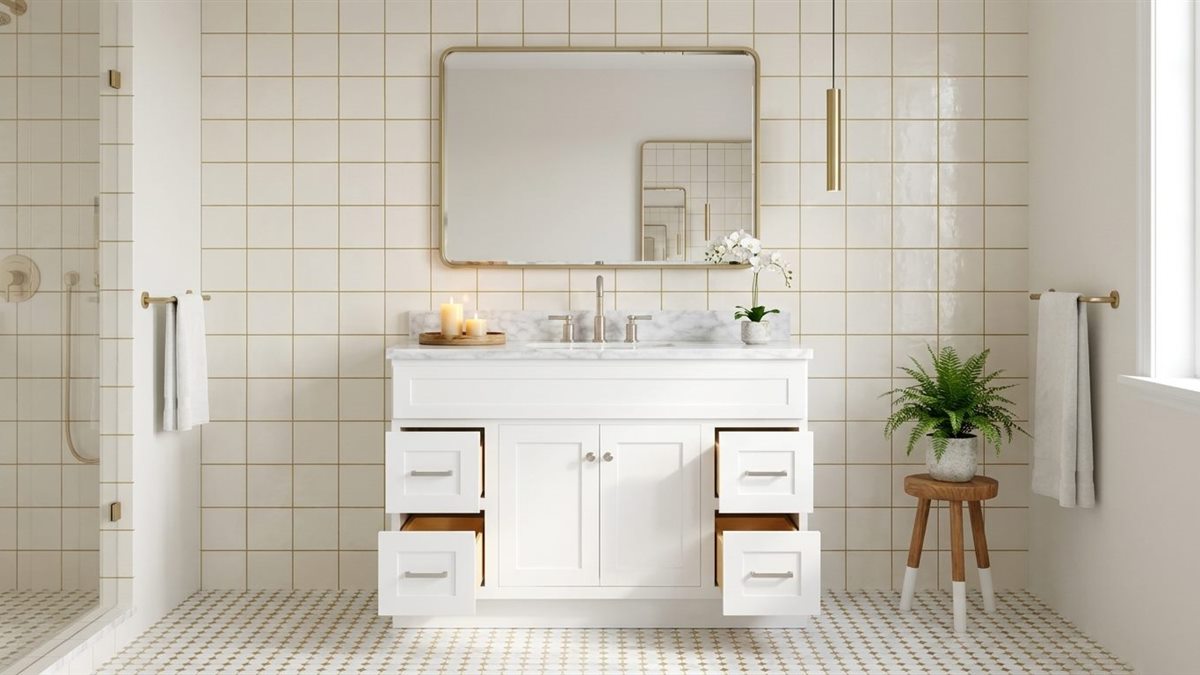
The short answer: wipe with mild dish soap and warm water on a soft, well-wrung cloth — then rinse and dry. That routine suits painted, stained, and laminate finishes alike. Grease near the range needs more passes and a little dwell time, not stronger chemicals.
What is the safest routine for everyday cleaning?
Cabinet finishes fail from two things far more often than from dirt: too much water and too much chemistry. The routine below avoids both, and it matches what US cabinet refinishers and care guides converge on — neutral soap, soft cloth, minimal moisture, and a real dry at the end:
- Mix it weak: a few drops of mild dish soap in a bowl of warm water. Dish soap sits near neutral pH, which is why it cleans without attacking the finish.
- Wring the cloth well: use a soft or microfiber cloth, damp — never dripping. Wipe with the grain on wood and painted doors.
- Rinse the soap off: follow with a second cloth dampened in clean water. Dried soap residue leaves a film that attracts the next layer of dust.
- Dry every surface: finish with a dry, lint-free cloth the same session. Standing water swells wood fibers and works into seams and edges.
- Include the hardware: wipe handles, knobs, and visible hinge areas — hand oils collect there first and dull the finish around them.
How do you clean painted, stained, and laminate cabinets?
The routine above is the base for all three finishes. What changes is how much margin each finish gives you — so adjust pressure and patience, not products:
- Painted cabinets: the gentlest case. Paint shows rub marks and sheen changes before anything else does, so use the lightest pressure and test any change in method inside a door first. Latex or site-painted surfaces deserve extra caution versus a cured factory finish.
- Stained wood with a clear topcoat: treat like painted — soap, soft cloth, dry. The clear coat does the protecting, and it lasts longer when it never meets abrasives or solvent cleaners. Unsealed or oil-finished wood is the exception: keep water contact brief and dry immediately.
- Laminate: the most forgiving surface, but grease films show fast on it. Dust top-down with a dry lint-free cloth first (corners collect the most), then the same soap wipe, rinse, and dry. Prolonged wet contact can work edges and seams, so the dry step matters here too.
Unsure what finish you have? Test in a hidden spot — the back of a drawer front or inside a door — and check for any dulling or color change once dry before cleaning the visible faces.
How do you remove grease without harming the finish?
Grease above and beside the range is the one soil that routine wiping can lose to — heat bakes the film on layer by layer. The fix is repetition and dwell time, applied in this order:
- Let the soap sit: hold the warm, soapy cloth on the greasy area for a minute or two to soften the film, then wipe. Repeat rather than scrubbing harder.
- Work small sections: doors nearest the cooktop, the range-hood surround, and pull handles collect the most. Clean these weekly so grease never fully cures.
- For a dried spot that resists soap: dab on a paste of baking soda and water, wait a few minutes, wipe gently with a soft cloth, then rinse fully and dry. Test it in a hidden spot first — it can leave a pale film or dull some finishes if overused or left unrinsed.
- Degrease the hood zone on a schedule: a weekly wipe plus an annual deep-clean of the cabinets flanking the range keeps the one heavy-buildup area from becoming a restoration project.
What should you never do to kitchen cabinets?
Most cabinet finish damage we hear about comes from the cleaner, not the cooking. Keep this list on the fridge until the habits stick:
- Don't soak or flood: no dripping sponges, no puddled rinse water, no wet cloths left hanging on doors. Excess water swells wood, lifts edges, and invites mold in seams.
- Don't use abrasive tools: scouring pads, steel wool, and stiff brushes scratch every finish — smooth surfaces need only a soft or microfiber cloth.
- Don't use ammonia-based cleaners: including many glass cleaners. Ammonia cuts grease well but is harsh on wood finishes and can darken or discolor them.
- Don't use bleach or solvents: they strip color and break down topcoats. If a spill needs more than soap, repeat the soap pass instead of reaching for something stronger.
- Skip acidic home remedies: vinegar and lemon juice are acids that can dull or damage cabinet finishes with repeated use — diluted vinegar cleans no better than dish soap on cabinet soils.
- Don't force-dry with heat: hairdryers and heat guns over-dry wood fibers and can crack or check the surface. A dry cloth is the whole drying step.
- Skip oily polishes as cleaners: non-drying oils leave a film that traps dust and turns rancid over time, making the next cleaning harder.
What maintenance schedule keeps cabinets looking new?
Consistency beats intensity. A light rhythm prevents the buildup that tempts people toward harsh products — and it surfaces small problems (a loose hinge, a damp sink base) while they are still small:
- Weekly: wipe doors and handles nearest the cooktop and sink with the soap routine. Quick passes here prevent the only grease that ever gets stubborn.
- Monthly: wipe all door and drawer fronts, plus visible hinges and hardware. Work top-down so dust from upper doors doesn't resettle on clean lowers.
- Quarterly: empty and wipe one zone of interiors at a time, dust the tops of wall cabinets, and check under the sink for moisture, swelling, or musty odor.
- Seasonally: tighten any loose knobs and hinge screws, confirm sink-base plumbing stays dry, and run the range-hood filter through its own cleaning cycle so airborne grease drops at the source.
That under-sink check earns its place: box materials handle moisture very differently once water gets in, as our plywood vs particleboard guide explains — and damp boxes age years in months. Pair the habit with the five lifespan factors in how long cabinets last and routine care starts pulling double duty.
Questions homeowners actually ask
Can I clean cabinets with vinegar or lemon?
Not as a routine. Both are acids, and repeated use can dull or damage cabinet finishes — while cleaning cabinet soils no better than mild dish soap. Save vinegar for kettles and glass, and keep it off doors and face frames.
How do I stop grease from building up near the stove?
Clean the range-adjacent doors weekly with the soap routine, run the hood fan every time you cook, and keep its filter clean so less airborne grease lands on cabinets in the first place. Prevention is the entire strategy — cured-on grease is the only soil that tests patience.
Do cabinets need polish or oil?
Sealed finishes — paint, cured topcoats, laminate — need no feeding. Soap, rinse, and dry is the complete program. Oils marketed as wood food leave a residue film on sealed surfaces that attracts dust and complicates the next cleaning.
What if water gets under the sink base?
Dry it the same day: empty the cabinet, towel everything, leave doors open to air out, and fix the drip before restocking. If the floor or walls swell, soften, or smell musty, the box material itself is now the question — see plywood vs particleboard for how to read the damage.
When does cleaning stop being enough?
When the finish itself is failing — checking, peeling, or worn through at touch points — no cleaning routine restores it. That is the point to weigh refinishing against new boxes using the lifespan math in how long cabinets last, and to check what sits inside the box with the CARB P2 guide.
Caring for finishes is easier when the boxes underneath are sound. Browse everyday storage in the cabinet catalog, and compare door colors in your own light with samples before committing to a refresh.
Start the routine this week — and if a refresh is on the horizon, order samples to compare finishes in your own kitchen light.
Keep reading
- How Long Do Kitchen Cabinets Last? Lifespan by Material
A kitchen cabinet's life runs 20 to 50 years, and the spread is decided by five things: box material, hardware, install quality, moisture, and care. Here is how each one moves the number.
- Plywood vs. Particleboard Cabinets: Which Lasts Longer?
The box material decides how long a cabinet survives sink leaks, humidity, and years of door slams. Here's the honest plywood-vs-particleboard breakdown.
- What Is CARB P2 — and Why Cabinet Emissions Matter
Cabinets are mostly composite wood, and composite wood is held together with glue that can release formaldehyde. CARB P2 is the standard that limits it — here are the actual ppm ceilings and what they guarantee.
- Why White Cabinets Turn Yellow (and How to Stop It)
Some yellowing wipes off — grease and steam film. Some never does — oil-based paint aging in dark, ammonia-exposed spots. Here is how to tell which one you have and what to do about each.
- How to Prevent Moisture Damage to Kitchen Cabinets
Swollen edges, bubbling paint, and soft sink bases all start the same way: small, repeated moisture that nobody dries. Here is how to shut off each source before the box itself is damaged.
Ready to plan your kitchen?
Send us your layout for a free, no-obligation quote, or browse the full factory-direct catalog of all-plywood Shaker cabinets.