
Cabinet Refacing Cost: 2026 Prices and What Drives Them
By TC Wholesale Cabinetry · Editorial team
September 9, 2026 · 9 min read
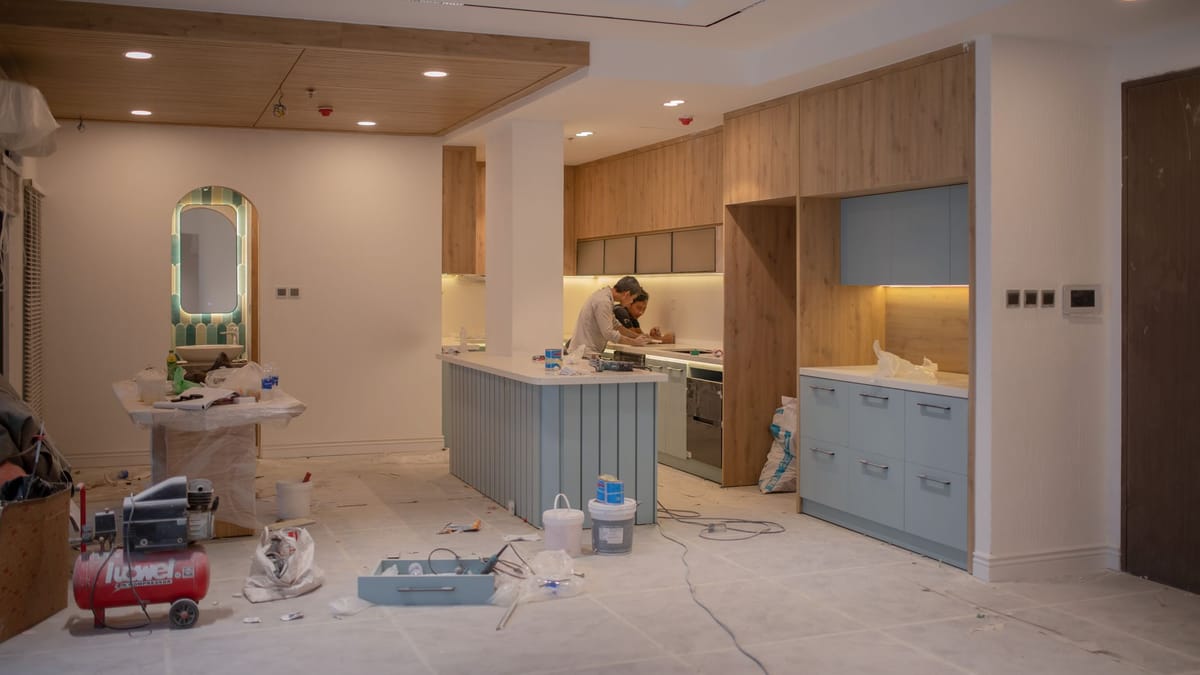
The short answer: expect roughly $4,200 to $10,600 for a full-kitchen reface, or $150 to $450 per linear foot — every major third-party dataset lands in that band. Refacing keeps your existing boxes and swaps everything you see: doors, drawer fronts, veneer over the frames, usually hinges and hardware. Because the boxes, layout, counters, and plumbing all stay put, it typically costs 30 to 50 percent less than replacing with comparable new cabinets — with the honest footnote that budget stock-box replacements can land near the average reface price.
How much does cabinet refacing cost in 2026?
Three independent datasets describe the same national picture from slightly different angles. These are third-party US figures, not our prices — use them to sanity-check any quote you receive, in either direction:
- HomeAdvisor project data: $4,234–$10,226, averaging about $7,230 across reported projects — the most-quoted national band for a full kitchen.
- Angi 2026 cost data: national average of $7,234, with most homeowners paying $4,483–$10,590 (Angi refacing cost guide).
- Fixr cost guide: about $275 per linear foot on average, ranging $100–$450 depending on material choices (Fixr custom refacing guide).
- The gap to replacing: “about 30% to 50% less to reface than to replace custom or semi-custom cabinets” (Angi FAQ) — with Angi's own caveat that budget stock replacements land near the average reface price.
Why the ranges look wide: a ten-door galley and a forty-door open plan are both “a kitchen,” and refacing is priced on your kitchen, not the national average. The per-unit math below is how you translate these bands onto your own floor plan. Our refacing vs replacing guide runs the full side-by-side decision if you are still choosing between the two paths.
Refacing cost per linear foot and per door
Contractors price refacing two ways, and knowing both lets you spot an outlier quote fast. Per-linear-foot pricing bundles doors, fronts, veneer, and labor into one rate for each foot of cabinetry; per-door pricing breaks out each opening. Either way, the same three datasets anchor the math:
- Per linear foot: $150–$450 (Angi 2026), averaging about $275 (Fixr) — so a 20-linear-foot kitchen lands very roughly in the $3,000–$9,000 band before material upgrades.
- Per door: roughly $220 per cabinet door on average (Angi) — count every door and drawer front, not just the doors, since each opening gets new material and labor.
- What “linear foot” includes: always ask whether the rate covers veneer, hinges, hardware, drawer boxes, and finish — a low per-foot rate that excludes hardware can finish higher than a flat quote that includes it. Our per-linear-foot guide shows how the same unit works on the new-cabinet side.
Neither unit tells you whether refacing is the right call — only whether a quote is sane. A per-door price near the cost of a brand-new stock box is the market telling you to price replacement before signing anything; more on that in the 50% rule below.
What drives your refacing quote?
Two kitchens with the same door count can get quotes thousands apart. These are the levers contractors actually adjust, roughly in order of impact:
- Kitchen size and door count: the dominant driver — every door, drawer front, and exposed frame foot adds material plus on-site labor, so large or double-sided kitchens scale fast.
- Facing material: laminate over the frames costs least; real-wood veneer sits in the middle; all-new solid-wood doors and fronts cost most. Each step up changes both material and labor time.
- Door style complexity: flat slabs veneer and hang quickly; raised panels, applied molding, and specialty profiles take longer to build and fit, and labor bills the difference.
- Box condition: frames that are out of square, water-damaged near the sink, or stripped at the hinges need repair before veneer goes on — or disqualify the kitchen from refacing entirely.
- Hardware and extras: soft-close hinges, new pulls, replacement drawer boxes, and add-ons like crown molding or under-cabinet lighting are usually line items on top of the base reface price.
- Local labor rates: on-site veneer and fitting work is skilled labor priced by market — metro quotes run higher than rural ones for the identical kitchen, which is why national averages are a band, not a price.
Refacing materials: what the options mean
A reface quote is really two purchases — the visible material and the labor to fit it. Understanding the material tiers helps you read what a quote actually offers:
- Laminate over frames with new fronts: the budget tier and the most common reface — durable and wipeable, but the reproductions of wood grain read as laminate up close, and edges near steam need sound substrate to stay bonded.
- Real-wood veneer over frames: the mid tier — genuine wood on the frames matched to new wood doors, stainable and refinishable, at the cost of pricier material and fussier installation.
- All-new solid-wood doors and fronts: the premium tier — every visible piece is new hardwood, which delivers the most convincing result and the highest quote, closest to replacement money.
Whichever tier you consider, the substrate rule never changes: veneer and laminate are glued on, and heat plus steam work on glue. Doors nearest the oven, dishwasher, and coffee maker let go first, commonly starting within 10 to 15 years near heat and moisture. Over firm, square plywood frames that is a distant concern; over swollen particleboard it is a countdown. See plywood vs particleboard for why the box material decides everything downstream.
When refacing is the smart money — and when it never is
Refacing earns its price in exactly one situation: boxes that are solid, square, and dry, under a layout you would keep even if money were no object. In that case every dollar goes to visible improvement instead of demolition, plumbing moves, and countertop re-templating — which is why the per-kitchen saving lands in that 30-to-50-percent band. Outside that situation, refacing charges you for a cosmetic reset on a kitchen whose problems are structural, and no material tier fixes that mismatch:
- Refacing wins: sturdy plywood boxes, a work triangle that works, enough storage, and a quote sitting well under half of new — the textbook case is a dated-but-sound kitchen getting refreshed before a sale or a milestone.
- Refacing loses: swollen or delaminating boxes, a layout with dead corners and wasted filler strips, storage that never fit your cooking, or any reface quote flirting with the 50% line.
- The dead-corner test: stand in your kitchen and name the three things that annoy you daily — if all three are colors and door styles, reface; if any one is reach, depth, or position, only new boxes in new positions answer.
- The inspection test: open every door and press the shelves, the sink-base floor, and the hinge screws — soft spots, swelling, or stripped holes mean the boxes retire, not the faces. Our lifespan guide shows how to read the five wear signals.
Does a faster job cost less?
Partly — and the savings are real even when they never appear as a line item. A reface crew detaches, veneers, and rehangs over days with the kitchen often usable in the evenings: no demolition crew, no dumpster, no countertop removal, no plumbing or electrical moves, no nights of takeout stretching into weeks. Replacement runs weeks once demolition, install, and countertop templating stack up, plus the wait for materials on top — and every one of those steps carries labor you avoid by keeping the boxes. Against that, weigh the honest counterpoint: a rushed reface schedule is where veneer bubbles and misaligned reveals come from, so a bid promising half the days at half the price deserves the same scrutiny as any outlier. If a hard deadline like a sale closing or the holidays rules the decision, timeline alone can pick the winner — just make sure speed is in the contract alongside the warranty terms.
The 50% rule: when new boxes beat refacing
The industry's best-known guardrail is the 50% rule, stated verbatim in Angi's refacing guide: if a refacing quote passes half the cost of new cabinets, buy the new cabinets. At that point you pay replacement money without getting replacement boxes, new storage, or a layout fix — new faces on old positions, old depths, old dead corners.
Running the rule requires a real replacement number, not a guess. Price the new-box side in our cabinet cost guide and the replacement cost breakdown, then hold the reface quote against it. A note on us, stated plainly: TC Wholesale Cabinetry sells new all-plywood cabinets — we don't offer refacing services, so this guide has no reason to steer you either way. If the math says reface, take the reface quote with our blessing.
Costs refacing quotes often leave out
Refacing's headline price covers faces — but kitchens have a way of adding lines once work starts. Ask about each of these before you compare quotes:
- Drawer boxes and glides: many base quotes cover fronts only — worn drawer boxes, sticking glides, and missing soft-close are extras that add up across a big kitchen.
- Hardware: knobs, pulls, and upgraded hinges are frequently excluded from the per-door rate; a full kitchen's worth is a real line item.
- Frame repairs: hinge-hole rebuilds, squaring, and sink-base remediation get discovered mid-job — ask how the contractor prices surprises before demolition-free work begins.
- End panels, molding, and lighting: exposed ends need finished panels, and crown, light rail, or under-cabinet lighting each carry their own labor.
- Countertop reality check: refacing keeps existing counters in place, which saves money — but if the counters are next on the failure list, budget them now rather than templating twice.
How to get a refacing quote you can trust
Refacing is skilled on-site work with no factory price list, so the quote process is the quality control. Run every bidder through the same checklist:
- Get three itemized quotes: same door count, same material tier, same hardware scope — line items for veneer, doors, fronts, hinges, hardware, and labor, so bids compare apples to apples.
- Ask for the substrate verdict in writing: which frames are sound, which need repair, and what happens to the price if hidden damage appears — plus how the warranty treats it.
- Compare warranty terms: refacing warranties typically cover materials or doors for 1 to 10 years and often exclude repair labor, while new semi-custom boxes commonly carry limited lifetime terms — weigh that gap explicitly.
- Price the replacement side too: run your kitchen through the quote comparison checklist, then get a new-box number beside every reface bid — a second figure either confirms the deal or kills it with data.
Cabinet refacing cost questions, answered
Is it cheaper to reface or replace kitchen cabinets?
Usually refacing is cheaper — about 30 to 50 percent less than replacing with custom or semi-custom cabinets, per Angi's FAQ. The exception is the one Angi names itself: budget stock-box replacements land near the average reface price, and on small kitchens the two lines can meet. Always price both sides; our refacing vs replacing guide walks the full comparison.
How long does refacing last?
A well-done reface is generally expected to last 15 to 20 years — but the boxes underneath keep their own clock, and refacing does not extend box life. Veneer and thermofoil near heat and steam commonly start letting go within 10 to 15 years, so the lifespan question collapses to the box question: sound plywood boxes plus new faces buy 15-plus good years, while tired boxes plus new faces buy a countdown. Our cabinet lifespan guide covers the five factors that place a box on that timeline.
Can you reface cabinets that have water damage?
No — or more precisely, you can pay someone to, but you shouldn't. Particleboard that has swollen or delaminated never recovers, and veneer over a dying box is money buried: the glue fails, hinges strip, and shelves sag regardless of how good the faces look. Refacing belongs on boxes that are solid, square, and dry; anything else is a replacement kitchen wearing a disguise.
Does refacing include new drawer boxes and hardware?
Sometimes — which is exactly why you ask. Base quotes typically cover doors, drawer fronts, frame veneer, and basic rehanging; replacement drawer boxes, soft-close glides, and new knobs and pulls are frequently extras. Get the inclusions in writing and price the extras per opening, since a “cheap” bid plus full hardware can finish above an all-inclusive one.
Can I reface cabinets myself to save money?
In theory the material kits exist; in practice veneer work punishes beginners where everyone in the house will see it daily — bubbles, seams, and misaligned reveals don't hide. Between the specialty tools, the doors and fronts themselves, and the days of skilled labor you are replacing with your weekends, most DIY attempts save less than expected while voiding any material warranty. The budget middle path that actually works for handy owners is new doors on solid frames plus careful paint matching — and even there, order samples first and compare whites in your own kitchen light.
Is refacing worth it before selling a house?
For a dated-but-sound kitchen, often yes: fresh faces photograph well and cost a fraction of a remodel. Two honest qualifiers — a full remodel's resale return (up to 96% per Angi) covers whole remodels, not refacing alone, so don't math a reface into an equal value bump; and buyers' inspectors open doors, so reface to sell only when the boxes would pass inspection naked.
A reface quote means nothing without a replacement number beside it — request a free quote on new all-plywood cabinets and compare before you sign anything.
Keep reading
- Cabinet Refacing vs Replacing: Cost and When Each Wins
Refacing runs $4,234 to $10,226 on average and saves 30–50% over replacing — but only when the boxes underneath are sound. Here is how to tell which side your kitchen falls on.
- How Much Do Kitchen Cabinets Cost? RTA vs. Assembled vs. Custom
Kitchen cabinet cost comes down to three things — material, construction, and how you buy. An honest, no-sticker-shock breakdown of RTA, assembled, semi-custom, and custom pricing by the linear foot, plus the hidden costs of hardware, countertops, and installation.
- Cost to Replace Kitchen Cabinets: Full 2026 Breakdown
A full cabinet replacement typically runs $4,500 to $15,000 installed — boxes plus demolition, disposal, and labor. Here is what each line of that total actually buys.
- Kitchen Cabinet Cost Per Linear Foot Explained
Per-linear-foot pricing divides the cabinet total by the wall length the cabinets cover — but quotes disagree on what a foot includes. Here is how to measure, what to ask, and current third-party ranges by tier.
- How to Compare Cabinet Quotes and Spot the Real Deal
Two cabinet quotes with different totals usually describe two different kitchens. Here is how to force every quote onto identical scope, spot the vague ones, and ask the questions that expose the real final cost.
Ready to plan your kitchen?
Send us your layout for a free, no-obligation quote, or browse the full factory-direct catalog of all-plywood Shaker cabinets.