
Cost to Paint Kitchen Cabinets: 2026 Price Guide
By TC Wholesale Cabinetry · Editorial team
September 9, 2026 · 8 min read
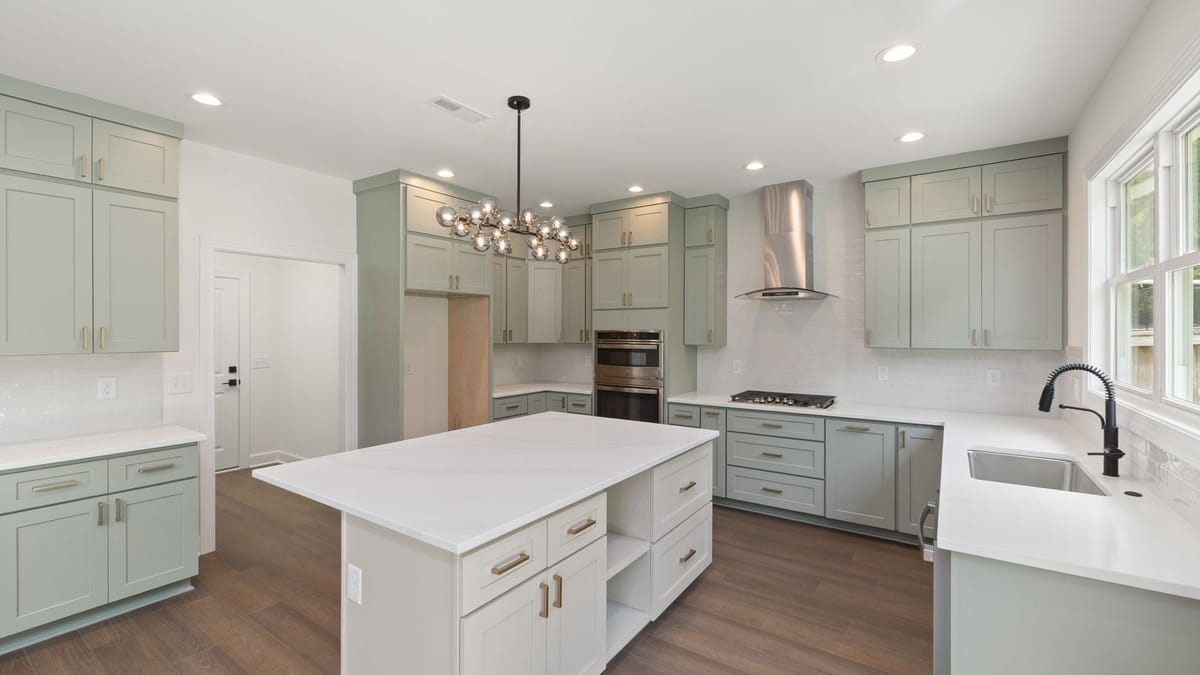
The short answer: expect $425–$6,500 for professional cabinet painting, and let the finish type place you inside that span. Simple brush work on a small kitchen sits near the bottom; a full sprayed-enamel finish on a large kitchen sits near the top. The tenfold spread is not noise — it is the difference between two genuinely different services sharing one name.
A note on us, stated plainly: TC Wholesale Cabinetry sells new all-plywood cabinets — we don't offer painting services, so this guide has no reason to inflate or deflate paint prices. Read it as a pricing reference, not a sales pitch. Every figure below is third-party US data, cited by name, never our pricing.
How much does it cost to paint kitchen cabinets in 2026?
Paint quotes cluster into tiers by finish, not by geography. Anchor on the tier first, then adjust for your kitchen size and condition:
- Basic professional brush work: $425–$1,466, averaging about $942 (Angi project data). Real money for real brush-applied work on straightforward kitchens — not the sprayed-enamel finish below.
- Mid-range professional jobs: roughly $1,390–$3,353, averaging about $2,164 (Thumbtack cost data) — the band where most full-kitchen pro repaints land once prep, primer, and two finish coats are all included.
- Pro sprayed-enamel finish, full kitchen: roughly $2,000–$6,500 depending on kitchen size, material, and prep (KitchenSearch 2026 survey). This is a smooth, sprayed cabinet-grade-enamel service — a different product from brush work, priced like one.
- Per-unit pricing: $3–$10 per square foot, or $30–$60 per linear foot of cabinetry (HomeAdvisor cost data); Fixr's 2026 guide agrees at $3–$10 per square foot and $30–$70 per linear foot. For a ~20-linear-foot kitchen, that unit math alone spans roughly $600–$1,400 — before finish type and condition move it.
- DIY: about $200–$600 in primer, cabinet-grade paint, and supplies, plus 10–20+ hours of your own labor across degreasing, sanding, coats, and cure time. The materials are cheap; the weekends are not — and the finish gap between brush-in-place and sprayed enamel is the reason pro jobs cost what they do.
Notice the pattern: the datasets agree with each other once you sort by finish. The low averages describe simpler brush-level projects; the high ranges describe sprayed enamel on full kitchens. When two quotes for your kitchen differ by thousands, they are usually quoting different finishes — ask each bidder to name the primer, the topcoat product, and whether doors get sprayed off-site or brushed in place.
How do you get an apples-to-apples paint quote?
Because "cabinet painting" covers two different services, the burden of comparison falls on you. Hand every bidder the same brief — your door and drawer count, photos of the worst wear spots, and the finish you want — then require each written bid to answer the same five questions. Bids that cannot answer them are not cheaper; they are vaguer:
- What coating system, by product name? Bonding primer plus cabinet-grade enamel (sprayed) is the durable specification. Generic "premium paint" language hides latex wall paint that will not survive a kitchen's grease, steam, and daily handling.
- Sprayed or brushed, and where? Doors sprayed off-site on racks with boxes masked and sprayed in place is the pro standard. Brushing everything in place is a legitimate budget option — but it must be priced like one, hundreds below spray work, not hundreds above.
- What prep is included in hours, not adjectives? Degreasing, scuff-sanding, hole and chip repair, caulk where needed — itemized, not "full prep." Prep labor is the lifespan of the job, so a bid light on prep is a finish with an expiration date.
- What is the cure schedule? Doors harden on racks and should not return to heavy service immediately; any bidder promising full use the morning after reinstall is rushing the chemistry. Ask when you can hang, clean, and cook normally.
- What is excluded? Hardware replacement, hinge upgrades to soft-close, interior repainting, and decorative glazing are common add-ons. A bid that excludes rehanging or hardware reinstallation is not comparable to one that includes them — convert every bid to an installed, usable total before ranking.
Collect at least three bids built on that identical brief and the spread will collapse from thousands to hundreds — the residue is real competition, not scope confusion. Treat any bid more than 30% below the pack as a scope gap (skipped prep, brushed-only, no cure management) rather than a bargain, and ask the bidder to reconcile the difference line by line.
What drives the price up or down?
Six variables move a paint quote more than zip code does. Walk through them before you compare bids, and weak quotes expose themselves fast:
- Finish type. Sprayed cabinet enamel vs brushed latex is the single biggest step — different equipment, different labor hours, different durability. Any quote that never names the coating system is a quote you cannot compare.
- Door and drawer count. Painters price openings, not kitchen square footage. A 40-opening kitchen costs roughly twice a 20-opening one at the same finish level — count your doors and drawer fronts before you judge any number.
- Condition and prep. Grease-caked surfaces near the range, chipped edges, peeling thermofoil, or smoke residue add degreasing, sanding, and repair hours a merely dated finish never needs. Prep is the lifespan of the job, so prep hours are the hours worth paying for.
- Kitchen size in linear feet. At $30–$70 per linear foot (Fixr, HomeAdvisor), every extra run of boxes adds up mechanically. Galley kitchens price kindly; sprawling U-shapes with islands do not.
- Detail level of the doors. Flat-slab fronts spray fast; deep profiles, glazing, distressing, or two-tone island accents add masking and handwork. Specialty decorative finishes can push past standard enamel pricing entirely.
- Local labor rates. The same spray job costs more where shop rates run higher — but labor explains hundreds of dollars of variance, not thousands. A quote far outside every range above is a scope difference, not a regional one.
Per-door, per-foot, and per-square-foot pricing explained
Painters use unit pricing so kitchens of different sizes stay comparable — but each unit answers a different question. Per-square-foot figures ($3–$10, per HomeAdvisor and Fixr) describe painted surface area and suit whole-kitchen budgeting. Per-linear-foot figures ($30–$70) describe runs of cabinetry and suit quick quote comparisons. Per-opening math — roughly $100–$175 per door and around $50–$100 per drawer front in current contractor pricing — suits exactly one thing: checking whether a lump-sum bid is honest about your kitchen. Multiply your own opening count and see if the bid lands near the math.
Two traps to avoid. First, never compare a per-foot quote against a lump-sum quote without converting — convert everything to a total for your opening count first. Second, confirm what the unit includes: removal and rehanging of doors, hardware removal and reinstallation, masking of counters and floors, primer plus two finish coats, and cure time before rehang. A low per-door number that excludes rehanging is not low.
DIY vs hiring a pro: the real cost comparison
DIY painting saves the labor slice — the largest share of any pro bill — but it trades money for skill risk and calendar time. Run the comparison honestly:
- DIY true cost: $200–$600 in materials plus 10–20+ hours of skilled-feeling labor: degreasing every surface, scuff-sanding profiles, bonding primer, two enamel coats with correct dry times, and days of cure before doors go back into service. Rush any step and the finish chips within a season or two, usually starting at the sink base and the doors nearest the stove.
- Pro true cost: $425–$6,500 by tier (above), covering a spray rig, dust control, drying racks, and a crew that lays enamel without brush marks. A pro spray job typically runs 4–5 days with the kitchen mostly usable; DIY stretches across 1–3 weekends plus cure time.
- The failure math: a failed DIY that needs chemical stripping and a pro redo costs more than hiring once. Honest self-test — if your doors have detailed profiles, your household cannot function without cabinet doors for a week, or you have never laid enamel without marks, price the pro tier first.
- The middle path: some homeowners split the job — DIY the degreasing and hardware removal (unglamorous hours any careful person can do well) while paying a pro for spraying and finishing. If a shop agrees, you save real labor money without gambling the visible topcoat. Confirm the arrangement in writing, including who owns surface defects found after your prep.
Whichever route you take, budget the unglamorous extras both sides forget: replacement hinges and soft-close hardware if yours are worn, new knobs and pulls (old holes may not match new centers), and proper ventilation and respirators for oil-based primers and solvent enamels. These incidentals routinely add $100–$400 to a DIY job and appear as line items on honest pro bids.
How long does a painted finish last?
A professional sprayed-enamel finish on sound boxes is generally expected to hold 8 to 10 good years in a normal kitchen before it wants a refresh — high-touch zones around handles and edges show wear first and touch up easily. A rushed brush job over skipped prep can chip and peel inside 2–3 years. Two rules extend any paint job: let it fully cure before heavy use (sprayed doors harden on racks for a reason — finish put back into service too soon bonds, then tears), and treat the first weeks gently with non-abrasive cleaning. Our cabinet lifespan guide covers what the boxes underneath need to survive that long.
Maintenance decides whether you reach year ten or repaint at year five. Clean with mild dish soap and a soft, well-wrung cloth — never abrasive pads or harsh degreasers that micro-scratch enamel and invite grease into the film. Keep a small jar of the exact topcoat for chip touch-ups around pulls and edges, dabbing rather than brushing so repairs melt in. And fix the moisture sources that kill finishes first: a dripping sink-base trap, an unvented range hood dumping steam onto the nearest doors, and kettles parked permanently under wall cabinets. Our cabinet cleaning guide runs the full routine for painted, stained, and laminate fronts alike.
When painting is not worth the money
Paint changes color, never structure, storage, or layout. Skip it — at any price — when the problem it cannot fix is the problem you have:
- Boxes are swollen, delaminating, or moldy. Paint bonds to the old skin and fails exactly where the substrate fails. See plywood vs particleboard for why box material decides everything downstream.
- Hinges strip out or frames rack. Stripped hinge holes and sagging drawers are structural failures wearing a cosmetic complaint — no coating fixes joinery.
- The layout is the complaint. Dead corners, too few drawers, an island that never fit: paint keeps every box exactly where it stands. Price new boxes in our cabinet cost guide instead.
- The quote approaches replacement money. Heavy-prep pro jobs on big kitchens can climb toward budget stock-box replacement. At that spread, new wins on every axis except install week — run both numbers in our paint vs replace comparison before signing.
Questions homeowners actually ask
Can you paint laminate or thermofoil cabinets?
If the surface is firmly adhered, yes — with degreasing, scuff-sanding, and a bonding primer made for slick substrates. If it is peeling, bubbling, or lifting anywhere, no: paint bonds to the old skin and lets go with it, usually within a season or two near heat and steam. Peeling thermofoil means new doors or new boxes, not new paint.
How long does cabinet painting take?
A pro crew typically needs 4–5 days from door removal to reinstall, plus cure time before heavy use. DIY runs 1–3 weekends of active work with drying days between coats. Either way, the kitchen stays mostly usable throughout — nothing gets demolished — which is paint's real scheduling advantage over replacement's 3–6 weeks.
Is sprayed enamel really better than brushing?
For durability and appearance, yes — spraying lays a uniform film with no brush marks and bonds best over a properly primed surface, which is why the top pricing tier is spray-only. Brushing in place can look fine on simple flat fronts in low-visibility spots, but it shows every stroke on detailed profiles and large door expanses.
Should I paint cabinets before selling a house?
For a dated-but-sound kitchen, usually yes: fresh neutral paint photographs well and costs a fraction of any alternative. Two honest qualifiers — paint returns presentation value, not remodel value, so don't math it into a resale premium; and buyers' inspectors open doors, so paint over swollen boxes or failing hinges reads worse than honestly dated originals.
Does painting cabinets add home value?
It removes an objection rather than adding a feature. A dated-but-sound kitchen in fresh neutral enamel photographs better, shows better, and stops buyers from mentally pricing a remodel into their offer. But appraisers do not credit paint like square footage, so treat the spend as presentation insurance — worth it when the boxes underneath would pass inspection, wasted when they would not.
Do dark or two-tone finishes cost more?
Usually, yes — modestly. Deep navy, black, and forest green demand extra coats for full coverage over light wood, and two-tone schemes (dark island, light perimeter) double the masking and material handling. Expect the decorative premium to add a few hundred dollars on a typical kitchen, more for glazing or distressing that is priced as artisan handwork rather than painting.
Paint or refacing — which costs less?
Paint, by a clear margin: pro painting tops out near $6,500 while refacing typically runs several thousand higher for new doors and drawer fronts over your existing boxes. The difference is scope — paint changes the color of your existing doors, refacing swaps them. Our refacing vs replacing guide runs the full comparison when new door styles (not just new color) are on the table.
Weighing paint against new boxes? The cabinet catalog lists all-plywood construction across every size, and our replacement cost guide runs the per-tier math for new cabinetry. Price both sides — a paint quote means nothing without a replacement number beside it.
Still deciding between fresh paint and fresh boxes? Request a free quote on new all-plywood cabinets — one replacement number turns any paint bid into an informed decision.
Keep reading
- Cost to Paint vs Replace Cabinets: Which Saves More?
A pro spray-enamel paint job typically runs $3,000–$9,000 — 60–70% less than new boxes. But paint only rescues kitchens whose boxes and layout deserve rescuing. Here is the box test that decides.
- How Much Do Kitchen Cabinets Cost? RTA vs. Assembled vs. Custom
Kitchen cabinet cost comes down to three things — material, construction, and how you buy. An honest, no-sticker-shock breakdown of RTA, assembled, semi-custom, and custom pricing by the linear foot, plus the hidden costs of hardware, countertops, and installation.
- Cabinet Refacing vs Replacing: Cost and When Each Wins
Refacing runs $4,234 to $10,226 on average and saves 30–50% over replacing — but only when the boxes underneath are sound. Here is how to tell which side your kitchen falls on.
- Cost to Replace Kitchen Cabinets: Full 2026 Breakdown
A full cabinet replacement typically runs $4,500 to $15,000 installed — boxes plus demolition, disposal, and labor. Here is what each line of that total actually buys.
- How Long Do Kitchen Cabinets Last? Lifespan by Material
A kitchen cabinet's life runs 20 to 50 years, and the spread is decided by five things: box material, hardware, install quality, moisture, and care. Here is how each one moves the number.
Ready to plan your kitchen?
Send us your layout for a free, no-obligation quote, or browse the full factory-direct catalog of all-plywood Shaker cabinets.