
How Much Do Custom Kitchen Cabinets Cost in 2026?
By TC Wholesale Cabinetry · Editorial team
September 9, 2026 · 8 min read
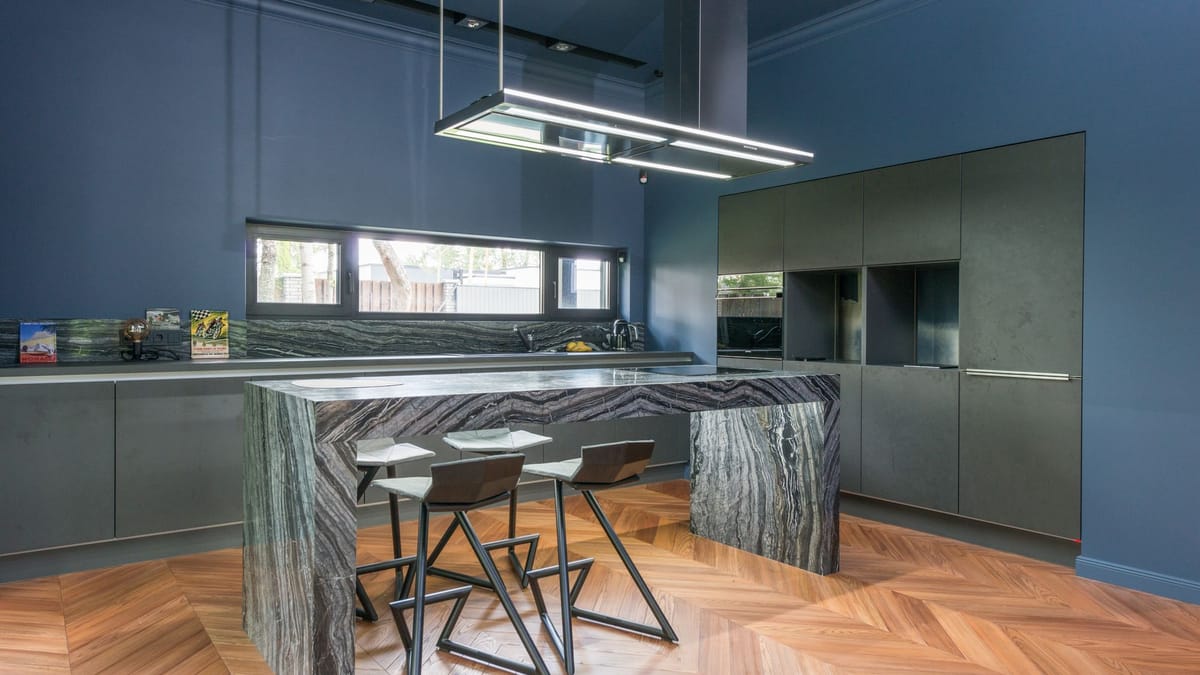
When homeowners search custom kitchen cabinets cost, most are really asking two questions at once: what is the price, and is the premium over standard cabinets justified? Both are fair, because custom is the most expensive way to buy cabinets by a wide margin — and the word "custom" itself is stretched so thin in cabinet marketing that two quotes labeled custom can describe completely different products. This guide pins down both sides: the market price ranges published by independent remodeling sources, and an honest read on what the custom premium actually buys.
Two ground rules before the numbers. First, every dollar figure below is category-wide market context from cited third-party sources — not a TC quote, and we post no TC prices on this page. The only number that matters for your project comes from a quote on your exact layout, which we will show you how to get at the end. Second, price tracks how a cabinet is bought at least as much as how well it is built, so we start by making sure "custom" means what you think it means. For the full category picture first, see our kitchen cabinet cost guide.
Stock vs. semi-custom vs. custom: what the labels really mean
Cabinet makers use three buying tiers, and the honest differences between them are about sizes, choices, and who absorbs the labor — not automatically about quality. A well-built stock box can outlast a sloppy custom one. What changes as you move up the ladder is how closely the cabinets conform to your room, how many finishes and options you can pick from, and how much hands-on shop time each cabinet carries in its price.
- Stock cabinets — factory-built in fixed standard sizes, usually in three-inch width increments, with a focused menu of door styles and finishes. You design your layout from the catalog rather than the other way around. Lowest price, fastest availability, least flexibility.
- Semi-custom cabinets — a stock platform with a paid menu of modifications: altered depths and heights, finished ends, furniture-style details, pull-out storage, and a wider range of doors, finishes, and glazes. Each option adds to the base price, so a heavily optioned semi-custom order can approach custom territory on cost.
- True custom cabinets — designed and built to order for your exact dimensions, in any width increment, with your choice of wood species, joinery, finish, and interior fittings. Nothing is pulled from a size catalog. Maximum design freedom, highest price, longest wait — and the result depends heavily on the individual shop's skill.
- The label trap — some sellers market heavily optioned semi-custom lines as custom. The test is simple: ask whether any width is possible or only catalog sizes with modifications. If the answer is catalog sizes, you are pricing semi-custom no matter what the brochure says — compare it against other semi-custom quotes, not against true custom shops.
Keep this ladder in mind for everything that follows, because the price gaps between tiers come mostly from labor, modification charges, and one-off shop time — not from a magic material. Our side-by-side of RTA vs. assembled vs. custom cabinets walks through the same tiers from the angle of lead time and flexibility if you want the fuller comparison.
How much do custom kitchen cabinets cost in 2026?
The most widely cited national figures come from HomeAdvisor's 2026 cabinet cost data, which prices professional installation by tier: stock at roughly $100 to $300 per linear foot installed, semi-custom at $150 to $650, and custom at $500 to $1,200 per linear foot installed, with materials alone accounting for roughly $300 to $750 of the custom figure. Read that gap carefully — custom starts where semi-custom tops out, and the top of the custom range runs about ten times the bottom of stock.
- Whole-kitchen context: for a typical 10-by-10-foot kitchen, HomeAdvisor places the total cabinet project anywhere from about $2,000 to $24,000 across all tiers, with most projects landing between $4,000 and $13,000 — the low end being stock, the high end custom and semi-custom work.
- Remodel context: the 2026 U.S. Houzz Kitchen Trends Study puts the median spend on a major kitchen remodel at $55,000 and a minor one at $20,000. Cabinets are typically the largest single line item inside that total, which is why the tier decision moves the whole budget more than any other choice in the room.
- What the per-foot figure hides: linear-foot math averages base cabinets, wall cabinets, and standard fillers into one shorthand rate. A kitchen heavy on drawer bases, pantries, corner solutions, and tall units will land above the average; a run of plain base-and-wall boxes lands below it. Treat per-foot figures as comparison tools between tiers — our per-linear-foot explainer shows exactly how estimators use them — never as a quote.
So for a quick orientation: a standard-layout kitchen in stock boxes sits near the bottom of the national range, a modified semi-custom design in the middle, and true built-to-order custom at the top — with the spread between bottom and top reflecting shop labor and one-off construction rather than a proportionate jump in durability. A standard 10-by-10 layout is the industry's common yardstick; our 10x10 kitchen cost breakdown shows how the same footprint prices out across buying methods.
What drives custom cabinet costs up or down?
Custom pricing is essentially shop hours plus materials plus finish work, so anything that adds hours or upgrades material moves the number. When a custom quote surprises you, the cause is almost always on this list — and walking through it line by line with the shop is the fastest way to separate a fair price from a padded one.
- Wood species and panel stock — paint-grade maple, oak, cherry, walnut, and exotic species step up in cost in roughly that order, and plywood box construction prices differently from furniture-board or MDF cores. Ask what the boxes, shelves, and drawer boxes are actually made of, not just the visible doors.
- Finish complexity — a single sprayed paint color is the baseline; stains with glazing, distressing, multi-step hand finishes, and matched custom colors add labor passes and therefore cost. Specialty finishes are often the single biggest swing inside an otherwise identical quote.
- Door and drawer construction — five-piece solid-wood doors, inset doors that sit flush inside the frame, and dovetailed solid-wood drawer boxes with undermount soft-close glides all cost more than slab fronts, overlay doors, and stapled drawers. Inset construction in particular demands tight tolerances and prices accordingly.
- Non-standard dimensions and shapes — the whole point of custom is sizes the catalog does not carry: odd widths, extra-deep or extra-tall units, curved and angled pieces, radius work, and built-ins around existing architecture. Each one-off piece carries setup time no production line spreads across hundreds of units.
- Interior fittings and organization — pull-out pantries, corner mechanisms, spice and tray dividers, mixer lifts, and integrated lighting are priced per unit on top of the box. A modest box count with heavy organization can outprice a larger plain kitchen.
- Installation and jobsite conditions — custom shops typically install their own work or specify a dedicated installer, and out-of-square walls, uneven floors, and structural surprises consume fitting hours. Delivery distance, stairs, and high-rise logistics show up here too.
Notice how little of that list is "better wood makes it last longer" — most of the premium buys fit, finish, and exactness rather than raw lifespan. That distinction matters when you weigh custom against a well-built standard line, because durability mostly lives in box construction and hardware, which you can get without paying for one-off dimensions. If a quote feels opaque, our guide to comparing cabinet quotes line by line shows which questions expose the padding.
Custom vs. semi-custom: when is custom actually worth it?
For most standard rooms, the honest answer is that semi-custom — or even well-planned stock — gets you ninety percent of the kitchen for far less than half the cabinet budget. Custom earns its premium in specific situations where catalog sizes genuinely cannot do the job, or where the design centers on details no production line offers. Judge your own project against that bar before falling in love with a shop's portfolio.
- Choose custom when the room demands it — crooked old-house walls with no square corner, sloped or beamed ceilings, unusual ceiling heights, freestanding-look furniture pieces, or a layout where three-inch filler gaps at every run would look wrong. If fillers and scribe molding cannot absorb the irregularity gracefully, one-off sizes are the real fix.
- Choose custom for specialty design goals — a matched species and finish across kitchen, pantry, and adjacent built-ins; true inset doors; integrated appliance panels and hidden rooms; or accessibility dimensions outside catalog ranges. These are aesthetic and functional targets production lines simply do not sell.
- Skip custom when standard sizes fit — a reasonably square room with standard ceiling height and appliance openings can usually be laid out in three-inch-increment boxes with tasteful fillers. That is exactly the layout type RTA and stock lines are engineered for — browse the cabinet catalog to check whether your runs land on standard widths before assuming you need a shop.
- Consider the hybrid route — stock or semi-custom boxes for the perimeter runs plus one or two custom pieces where they show: the island, a range hood surround, a window-seat bench, or a bar hutch. You concentrate the custom dollars where eyes land and save everywhere else.
One more reality check on value: HomeAdvisor notes homeowners typically recoup roughly 65 to 80 percent of a cabinet and kitchen remodel investment at resale — a solid return, but not a profit center. Buy custom because the room needs it or because you will enjoy it daily, not because you expect the next buyer to reimburse the premium dollar for dollar. Our breakdown of full replacement costs helps frame what the whole project looks like around the cabinets.
Hidden costs to budget beyond the boxes
Custom quotes sometimes read as all-inclusive when they are not, and the extras sting more at custom price levels because every change order carries shop rates. Before signing, confirm in writing which of these sit inside the quoted figure and which land on you.
- Design and revision fees — some shops charge separately for measured drawings and design time, crediting it back on order; others bury it in the per-foot rate. Ask, and get the revision allowance in writing.
- Countertops, hardware, and appliances panels — usually separate trades and separate invoices. Decorative knobs and pulls, integrated lighting, and panel-ready appliance fronts add up across a full kitchen.
- Delivery, installation, and site prep — confirm whether the quote includes delivery to the room (not the curb), installation, and haul-away, plus who handles demolition, patching, plumbing, and electrical.
- Finish touch-ups and punch lists — site-finished or touched-up pieces need a return visit; clarify whether touch-up and adjustment visits are included and for how long after install.
- Schedule risk — custom is built to order, so a delayed template, a finish redo, or a damaged piece restarts a shop queue rather than pulling a replacement off a shelf. If your remodel has a hard deadline, price the risk, not just the cabinets.
How to get an accurate number for your kitchen
National ranges tell you which tier you are shopping; only a measured quote tells you your price. Whether you end up with a custom shop or standard boxes, the quoting process is the same — and getting two or three comparable quotes is the single best defense against overpaying. Plan your cabinet budget inside the whole remodel first with our cabinet budget planner, then price the real layout.
- Measure each wall run, ceiling height, and window, door, and appliance openings — our measuring guide pairs with any quote request.
- Decide the tier honestly: if your runs land on standard widths, price stock or semi-custom first and keep custom quotes for comparison.
- Send the same drawings and wish list to every bidder so the quotes describe the same kitchen — different assumptions make different numbers.
- Compare construction, finish passes, hardware, and what is excluded before comparing totals; the cheapest custom bid often just excludes the most.
If your layout turns out to fit standard sizes, you can skip the shop queue entirely: browse the cabinet catalog for stock widths and finishes, order a door sample to check the color in your own light, then request a free quote on your exact cabinet list. Either way you buy, the discipline is identical — define the kitchen, fix the scope, then compare like with like.
Custom cabinet cost questions, answered
How much do custom kitchen cabinets cost per linear foot?
HomeAdvisor's 2026 data places custom cabinets at roughly $500 to $1,200 per linear foot installed, with materials alone around $300 to $750 of that. For comparison, the same source prices stock at $100 to $300 and semi-custom at $150 to $650 per linear foot installed — so expect custom to start about where semi-custom tops out.
What is the difference between custom and semi-custom cabinets?
Semi-custom starts from catalog sizes and adds paid modifications; true custom is designed and built to your exact dimensions with no size catalog involved. If a seller's "custom" line only offers catalog widths in three-inch steps with option packages, you are looking at semi-custom — price and compare it as such.
Are custom cabinets worth the money?
They are worth it when the room or the design genuinely needs one-off sizes, matched built-ins, or details like true inset doors that production lines do not sell. For a reasonably square room with standard dimensions, well-built stock or semi-custom boxes usually deliver most of the look and durability for far less — consider spending custom dollars only on statement pieces like the island.
Can I mix custom pieces with stock cabinets?
Yes, and it is one of the smartest budget strategies: standard boxes for the perimeter runs where nobody studies the construction, plus custom pieces where eyes land — the island, hood surround, or a hutch. Match species, door profile, and finish carefully, and order samples of both lines together since whites and stains drift between makers.
How long do custom cabinets take compared to stock?
Custom always takes longest because each piece is built to order after final measurements and finish selections, while stock ships from existing inventory and semi-custom modifies a production flow. Timelines vary widely by shop backlog and finish complexity, so get the production schedule and the remedy for delays in writing before you pay a deposit — and never demolish the old kitchen on a verbal date.
Keep reading
- How Much Do Kitchen Cabinets Cost? RTA vs. Assembled vs. Custom
Kitchen cabinet cost comes down to three things — material, construction, and how you buy. An honest, no-sticker-shock breakdown of RTA, assembled, semi-custom, and custom pricing by the linear foot, plus the hidden costs of hardware, countertops, and installation.
- RTA vs. Assembled vs. Custom Cabinets: Which Should You Buy?
Four ways to buy kitchen cabinets — RTA, stock pre-assembled, semi-custom, and full custom — compared honestly on cost, lead time, quality, and flexibility, with a scenario-by-scenario guide to picking yours.
- Kitchen Cabinet Cost Per Linear Foot Explained
Per-linear-foot pricing divides the cabinet total by the wall length the cabinets cover — but quotes disagree on what a foot includes. Here is how to measure, what to ask, and current third-party ranges by tier.
- 10x10 Kitchen Cabinet Cost: What the Quote Means
A 10×10 quote is the industry's apples-to-apples yardstick: one sample layout, cabinets only. Here is what it includes, what it leaves out, and the third-party ranges to hold any quote against.
- Cost to Replace Kitchen Cabinets: Full 2026 Breakdown
A full cabinet replacement typically runs $4,500 to $15,000 installed — boxes plus demolition, disposal, and labor. Here is what each line of that total actually buys.
- How to Compare Cabinet Quotes and Spot the Real Deal
Two cabinet quotes with different totals usually describe two different kitchens. Here is how to force every quote onto identical scope, spot the vague ones, and ask the questions that expose the real final cost.
Ready to plan your kitchen?
Send us your layout for a free, no-obligation quote, or browse the full factory-direct catalog of all-plywood Shaker cabinets.