
What Affects Your RTA Cabinet Quote? A Cost Guide
By TC Wholesale Cabinetry · Editorial team
September 8, 2026 · 8 min read
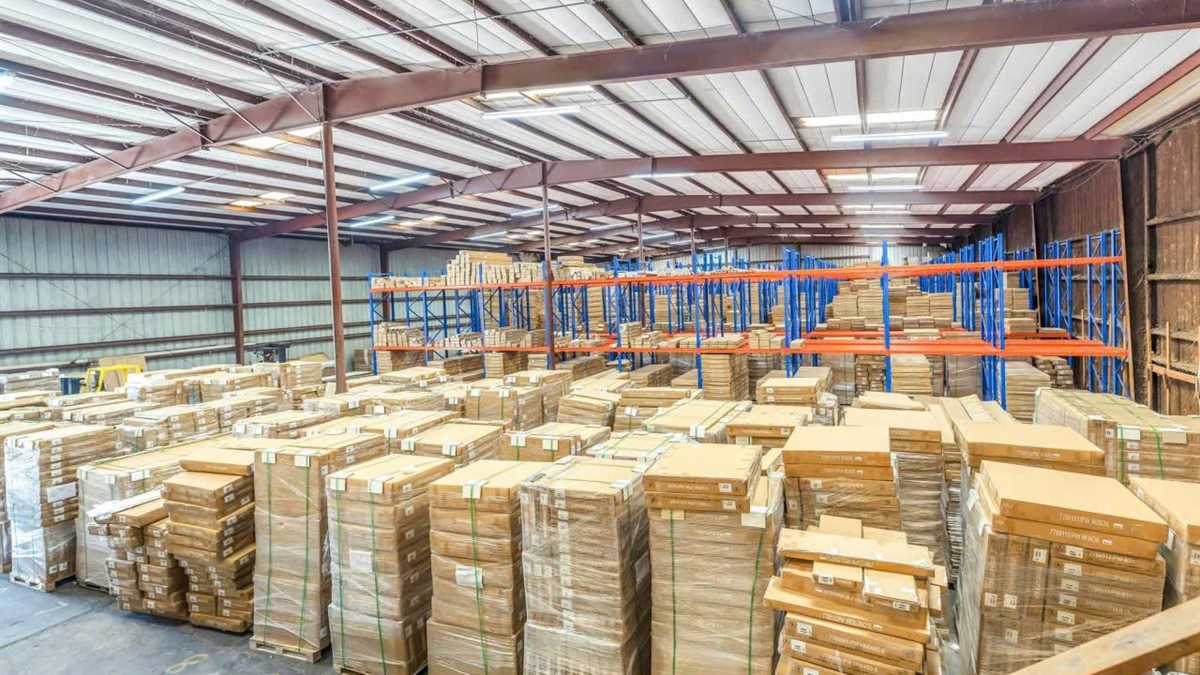
An RTA cabinet quote covers the cabinet boxes, doors and drawer fronts, applied finish, hinges and drawer slides, plus fillers, panels, molding, accessories, and freight. The total moves with box material, door style, hardware grade, kitchen size, and which extras are bundled. Line quotes up on identical inclusions and request a free itemized quote before deciding.
What does an RTA cabinet quote actually include?
An RTA (ready-to-assemble) quote is a parts list with a price attached: factory-cut, factory-finished panels and hardware that ship flat-packed for assembly. Because every seller draws the bundle boundary differently, the first job is learning which lines belong in a complete quote — so you can spot the one that left half of them out:
- Cabinet boxes — the base cabinets, wall cabinets, tall and pantry cabinets, vanities, and corner units that form the layout. Box count is the skeleton every other line hangs on.
- Doors, drawer fronts, and applied finish — the visible style and color, finished before packing. Door style and finish tier move the total more than most shoppers expect; our cabinet cost guide runs the tier math.
- Hinges and drawer slides — basic or soft-close, side-mount or undermount. Confirm whether soft-close is standard or an add-on, because it touches every opening in the kitchen.
- Fillers, end panels, toe kicks, and molding — the pieces that close gaps at walls, finish exposed sides, and cap the run. A quote without them is not a finished kitchen yet.
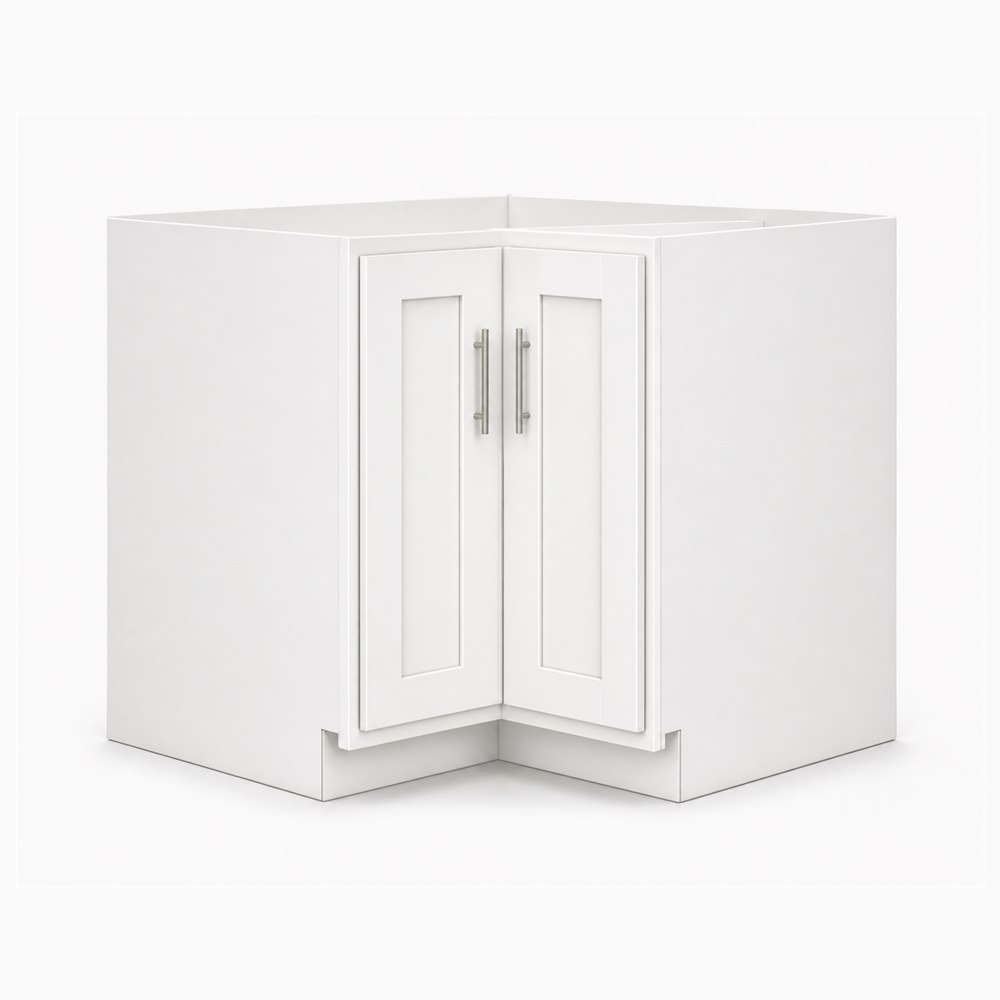
- Storage accessories — pull-outs, drawer organizers, and corner solutions like a lazy Susan base. Each adds material plus fitting, and each is easy to omit from a headline figure.
- Freight — the cost of moving flat-packed boxes to the jobsite. Flat packs travel efficiently, but freight is still a real line; check whether it is bundled or billed separately.
Usually not in the cabinet quote: installation labor, countertops, backsplash, plumbing, and electrical. Those belong to the remodel budget, not the cabinet seller — but knowing the boundary keeps a cabinet quote from being blamed for (or compared against) whole-project numbers.
What pushes a quote up — or brings it down?
Cabinet pricing comes down to three core factors — components, customization, and fit and finish (the framing used in Lamont Bros.' cost guide). Translated into quote lines, that means:
- Kitchen size and box count — more linear feet means more boxes, more doors, more hardware, and more freight. Measure first: our cabinet sizes guide shows how standard widths stack into a layout, so the count behind any quote can be sanity-checked.
- Box material and construction — plywood boxes cost more than particleboard, dovetail drawer boxes cost more than stapled ones. The material decision shapes daily wear and the quote gap for years; see plywood vs particleboard for the trade-offs.
- Door style and finish — a simple Shaker front in a standard finish prices differently from glass-door fronts or specialty colors. Same layout, different faces, different total.
- Hardware grade — soft-close hinges, undermount slides, and dovetail drawers add per-opening cost that multiplies across the kitchen. Worth it for daily feel and wear — but it must be compared explicitly, not assumed.
- Accessories and modifications — pull-outs, glass inserts, specialty corners, and non-standard sizing each add material and handling. A storage-heavy design quotes higher than a plain-box layout of the same footprint.
- What is bundled vs excluded — design help, samples, freight, and damage support cost money to provide. A quote that bundles them can look higher and still be the fuller deal; a bare quote can look lower until the extras land.
How do you compare two cabinet quotes fairly?
Two quotes for the "same" kitchen can differ by thousands without either seller doing anything wrong — they are usually pricing different inclusions. Express Kitchens' comparison guide makes the same point: line the quotes up on identical terms before judging the bottom line. The checklist:
- Ask what the boxes are made of — plywood or particleboard. This single answer explains a large share of every price gap.
- Confirm what is included — hardware grade, fillers, end panels, molding, accessories, freight. Check each against the anatomy list above.
- Compare construction, not just style — dovetail drawers and soft-close hardware versus stapled boxes and basic slides. Identical doors can hide different boxes.
- Judge the itemized total, not the headline — a low per-box figure with excluded extras routinely loses to a higher all-in total once everything is added.
- Verify the box count matches your layout — count sink bases, corners, and pantries on each quote. A "cheaper" quote that forgot a cabinet is not cheaper.
Do the homework in this order: browse the cabinet catalog to learn box types and sizes, order samples to settle finish in your own light, then request an itemized free quote and hold it against competing numbers line by line. Our online ordering guide walks through what to send so the first quote comes back accurate.
Questions homeowners actually ask
Why do two quotes for the same kitchen differ by thousands?
Because the quotes rarely describe identical kitchens. One may assume plywood boxes with soft-close hardware while the other prices particleboard with basic slides, or one bundles fillers, panels, and freight while the other leaves them out. Express Kitchens notes materials, inclusions, construction, and middlemen explain most gaps. Demand an itemized list and compare matching lines.
Does hardware really change an RTA cabinet quote?
Yes, because hinges and drawer slides ship with every box, so small per-unit differences multiply across the kitchen. Soft-close mechanisms, undermount slides, and dovetail drawer boxes cost more than basic side-mount slides and stapled boxes, per Lamont Bros. Confirm whether soft-close is standard or an add-on, since that single line shifts many quotes.
Do fillers, panels, and molding really matter?
They matter more than shoppers expect because a quote that omits them looks cheaper until installation day. Fillers close gaps at walls, end panels finish exposed sides, and molding caps the run — each adds material plus cutting and fitting. A base cabinet price alone never represents a finished kitchen. Insist every quote lists these finishing pieces explicitly.
Should I compare quotes per cabinet or by the total?
Compare the itemized total for an identical scope, not a per-cabinet average. A low per-box figure can hide excluded hardware, missing accessories, or freight added later, while a higher total may bundle everything. List every box — from wall cabinets to pantry cabinets — with hardware, finishing pieces, and freight, then judge the bottom line.
What should I send to get an accurate RTA cabinet quote?
Send measured wall dimensions, ceiling height, window and doorway positions, and appliance sizes, plus your door style and finish picks. The measuring guide walks through each dimension, and finish samples settle color questions before ordering. Accurate inputs return an accurate itemized quote — guesses return revisions.
Ready to run the numbers? Price your layout in the cabinet catalog, confirm colors with samples, and check box types against the sizes guide and cost guide before you commit.
Every quote deserves a second number beside it — request a free quote with your measurements and compare it line by line before you buy.
Keep reading
- How Much Do Kitchen Cabinets Cost? RTA vs. Assembled vs. Custom
Kitchen cabinet cost comes down to three things — material, construction, and how you buy. An honest, no-sticker-shock breakdown of RTA, assembled, semi-custom, and custom pricing by the linear foot, plus the hidden costs of hardware, countertops, and installation.
- How to Order Wholesale Cabinets Online: 6 Steps
Ordering wholesale cabinets online is a six-step loop: measurements, style and finish, cabinet list, quote, review, and freight. Here is what to prepare at each step so the quote comes back right the first time.
- Kitchen Cabinet Sizes & Dimensions: The Complete Guide
Base, wall, and tall cabinets follow a short menu of standard sizes. Here are the widths, heights, and depths that matter — in printable tables where every row maps to a cabinet you can order.
Ready to plan your kitchen?
Send us your layout for a free, no-obligation quote, or browse the full factory-direct catalog of all-plywood Shaker cabinets.