
Do Kitchen Cabinets Increase Home Value? ROI Guide
By TC Wholesale Cabinetry · Editorial team
September 9, 2026 · 8 min read
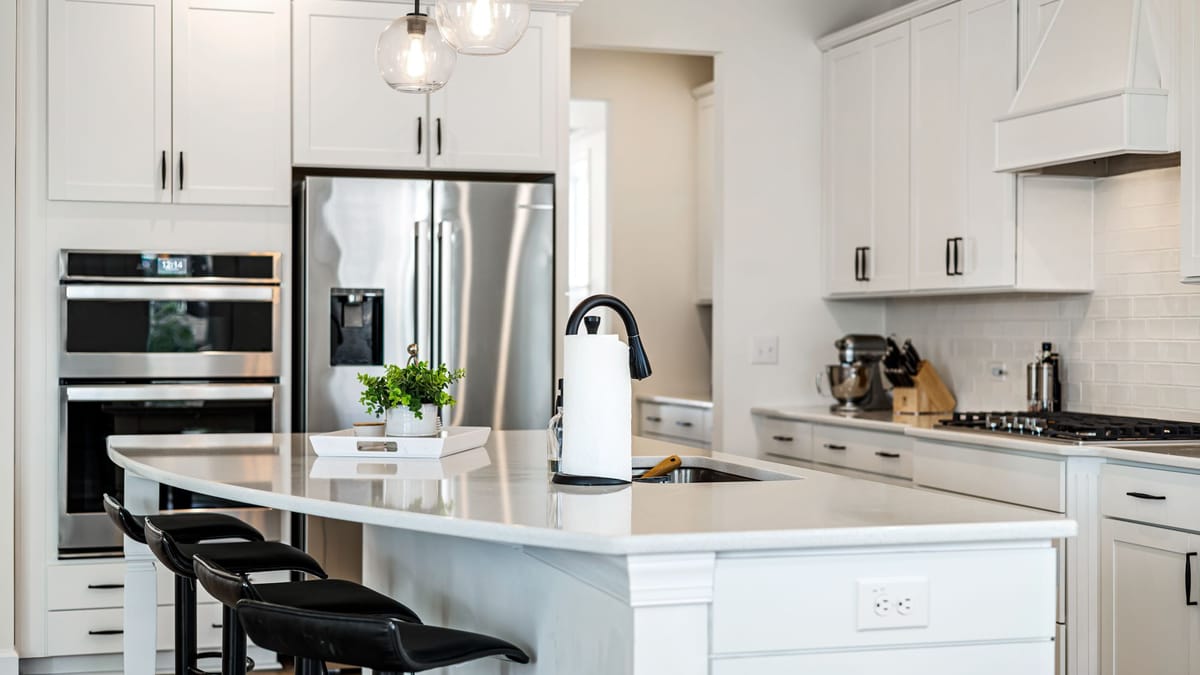
Do kitchen cabinets increase home value? The short answer is yes — but almost never dollar for dollar. A kitchen with solid, current cabinets photographs better, shows better, and competes better than the same floor plan with sagging, dated boxes. Buyers consistently rank the kitchen as the room that sways them, so worn cabinets drag down perceived value while fresh ones lift it. What the cabinets cannot do is magically return every dollar you spend, and the gap between a modest refresh and a full gut job is where most remodelers either win or lose money.
This guide looks at what the national data actually says about kitchen remodel ROI — the minor-versus-major numbers from the Cost vs. Value report and the cost-recovery figures from the National Association of Realtors — then works through when replacing cabinets is worth the money, when it is not, and how to squeeze the most resale value out of the project. One ground rule, same as ever on this blog: no TC prices on this page. Resale math depends on your market and your kitchen, so we deal in cited national figures and decision rules, and show you how to price your own layout at the end.
Do new kitchen cabinets raise what buyers will pay?
New cabinets raise what buyers will pay through two channels: appraised condition and buyer emotion. An appraiser does not add a line item for your cabinet brand, but condition and quality ratings feed directly into which comparable sales your home is judged against — a kitchen that reads updated pulls comps from updated sales, which is exactly where you want to be. On the emotional side, buyers decide fast and kitchens dominate that decision. Fresh, straight, clean-lined cabinets signal a cared-for house; peeling thermofoil, swollen sink bases, and broken drawer glides whisper deferred maintenance, and buyers discount for what they cannot see once they spot what they can.
The Realtors' own research backs up the emotional half of this. In the National Association of Realtors' 2025 Remodeling Impact Report, a complete kitchen renovation earned a Joy Score of 9.7 out of 10 and a minor kitchen upgrade scored a perfect 10 — homeowners loved living with the result (National Association of Realtors). That matters even if you are selling, because the years of daily use before the sale are part of the return too. A project that pays back part of its cost at resale and all of its enjoyment while you live there is a different proposition from one that only pays at closing.
What the ROI data says: minor vs. major kitchen remodels
The most quoted numbers in remodeling come from the annual Cost vs. Value report, which compares average project costs against the value those projects retain at resale across more than a hundred U.S. markets. The 2025 edition tells a strikingly split story for kitchens — small and restrained wins, big and lavish loses on paper (2025 Cost vs. Value Report):
- Minor kitchen remodel, midrange — about 113% of cost recouped. Average job cost around $28,458 against an estimated resale value of $32,141. This is the classic lipstick-and-substance refresh: same layout, updated fronts, surfaces, and appliances.
- Major kitchen remodel, midrange — about 51% of cost recouped. Average job cost around $82,793 against an estimated resale value of $42,130. Gutting, reconfiguring, and upgrading everything roughly doubles the recovered dollars but nearly triples the spend.
- Major kitchen remodel, upscale — about 36% of cost recouped. Average job cost around $164,104 against an estimated resale value of $58,561. Luxury finishes and custom everything cost the most and return the smallest share.
The Realtors' survey lands in the same neighborhood from a different angle. The 2025 Remodeling Impact Report estimates 60% cost recovery for both a complete kitchen renovation and a minor kitchen upgrade — lower than the Cost vs. Value minor-remodel figure because the two studies measure different things (surveyed agent estimates versus modeled resale values), but the ranking agrees: kitchens return a meaningful share, not the whole (National Association of Realtors). Treat every one of these figures as national context, not a promise about your street — local markets swing widely around the average, which is precisely why restraint beats extravagance when resale is the goal.
Why minor remodels earn back more than major ones
The minor remodel wins on ROI for a simple reason: it buys the visible change without the invisible costs. Keeping the existing layout means no moving plumbing, gas, or electrical, no structural work, and no weeks of labor invoices for things buyers never notice. Every dollar goes toward what photographs and shows — doors, drawer fronts, counters, fixtures, paint, and appliances — instead of disappearing inside walls. Our breakdown of what drives kitchen cabinet cost makes the same point from the budget side: layout changes and custom work are what detonate a cabinet budget, not the boxes themselves.
- Same footprint, new faces — cabinet boxes stay or get replaced in place while doors, fronts, hardware, and finishes go new. The kitchen reads transformed for a fraction of gut-job cost.
- Surfaces over structure — countertops, backsplash, sink, faucet, and lighting deliver outsized visual return per dollar because buyers touch and photograph them.
- Appliances carry weight — a matched, current appliance package signals an updated kitchen almost as loudly as the cabinets do.
- Cost discipline compounds — at roughly a third of the spend of a major remodel, even a modest value bump produces a far better percentage return.
When replacing cabinets is worth the money
Replacement beats refresh whenever the boxes themselves are the problem. No coat of paint fixes a swollen particleboard sink base, stripped hinge screws that will not hold, or drawers that derail because the glides have failed. If the carcasses are failing, replacement is not an upgrade — it is deferred maintenance coming due, and buyers (and their inspectors) price failing cabinets accordingly. There is also a speed dividend worth weighing: an updated, move-in-ready kitchen tends to photograph better and show with fewer objections, which means fewer days on market, fewer price reductions, and fewer buyer credits negotiated against a tired kitchen. That faster, cleaner sale is a real part of the payback even though no national table puts a number on it.
- You are selling in one to three years and the kitchen is visibly dated or damaged. This is the sweet spot: fresh cabinets in a neutral style lift photos, showings, and offers, and a restrained budget keeps the ROI math friendly.
- The boxes are structurally failing. Water damage, delamination, broken joints, or hardware that no longer holds means the cabinets are a liability at inspection. Replace them.
- Your kitchen lags the neighborhood. If comparable listings all show updated kitchens and yours still wears the original 1990s oak, buyers will either pass or discount. Matching the area standard protects your position.
- It is a flip or a rental turn. Durable, standard-size cabinets installed fast keep holding costs down and rent or resale appeal up — exactly the job ready-to-assemble lines were designed for.
- You are staying and you cook daily. Remember the Joy Scores — a 10 out of 10 for a kitchen upgrade. Years of soft-close drawers that actually close are a return no spreadsheet captures.
When new cabinets are NOT worth it
Restraint is the whole game in resale remodeling, and sometimes the highest-ROI move is leaving perfectly good boxes alone. If your cabinets are structurally sound with solid joints and working hardware, paint or new doors deliver most of the visual change for a small share of replacement cost — our comparison of cabinet refacing vs. replacing walks through exactly where that line falls. Beyond that, watch for these losing bets:
- Over-improving past the neighborhood. Custom showpiece cabinetry in a street of modest stock kitchens rarely returns its premium — appraisers anchor to nearby sales, not your invoice. Match the area, do not lap it by two price tiers.
- Gutting a functional layout for marginal gain. Moving walls and plumbing to chase a slightly better triangle burns tens of thousands buyers will not itemize. The major-remodel 51% recovery figure is the receipt for that instinct.
- Replacing sound cabinets to chase a trend. A bold finish that dates in five years can subtract value. Trends belong in paint and hardware, which are cheap to redo; boxes should be timeless.
- Spending the cabinet budget while counters and appliances lag. New boxes under stained laminate with mismatched old appliances reads half-finished. Balance the room before perfecting one element.
How to get the most resale value from new cabinets
If the decision is replace, the resale playbook is boring on purpose: timeless, neutral, durable, and proportionate. The goal is a kitchen the broadest pool of buyers reads as move-in ready, built on boxes an inspector cannot fault. Every choice below serves one of those two masters.
- Choose a neutral, timeless door. White or greige Shaker is the safe consensus — it suits nearly every buyer and every countertop. Browse current options in the cabinet catalog before committing.
- Stay in standard sizes. Standard widths keep the project in efficient, ready-made territory; every nonstandard inch pushes you toward semi-custom pricing for zero buyer-visible gain. Our cabinet sizes guide shows what fits where.
- Buy construction, not just looks. All-plywood boxes with solid-wood doors and soft-close hardware survive inspection and daily abuse alike — the story to tell buyers is durability, not the discount.
- Keep total spend proportionate. A common discipline rule is keeping the whole kitchen project proportionate to the home's value rather than letting one luxury line item run away. Plan the full budget — boxes, counters, install — with our kitchen remodel cabinet budget framework.
- Finish the room. Coordinated hardware, lighting, and paint make new cabinets read intentional. A $200 lighting upgrade can do more for photos than a $2,000 door-style step-up.
Frequently asked questions about cabinets and home value
Do kitchen cabinets increase appraised value?
Indirectly, yes. Appraisers do not add a fixed amount per cabinet, but they rate overall condition and quality — and those ratings determine which comparable sales anchor your valuation. An updated kitchen with solid cabinets pulls comps from updated sales, which is where the value lift shows up.
What is the ROI of a minor vs. a major kitchen remodel?
Nationally, the 2025 Cost vs. Value report estimates about 113% of cost recouped for a midrange minor remodel, about 51% for a midrange major remodel, and about 36% for an upscale major remodel — modeled national averages, not guarantees for any one market. The Realtors' 2025 survey independently estimates around 60% cost recovery for kitchen renovations.
Should I replace my cabinets before selling?
Replace them if they are damaged, visibly dated against neighborhood listings, or failing inspection-style scrutiny — a restrained, neutral replacement in that situation typically earns its keep in photos, showings, and offers. If the boxes are sound, consider paint, new doors, or new hardware first and put the savings toward counters or appliances.
Do buyers prefer white Shaker cabinets?
White Shaker remains the broadest-appeal choice — neutral, timeless, and easy to pair with any countertop or floor, which is exactly what you want when the buyer is a stranger. Bold colors and exotic styles can sell one buyer and repel five; save personality for your forever home, not a resale project.
Is refacing as good as replacing for resale value?
When the boxes are solid, refacing or new doors plus hardware can deliver most of the visual payoff for much less money — often the smarter resale move. When boxes are water-damaged, delaminating, or structurally failing, refacing hides a problem inspectors find anyway, and replacement is the honest answer.
Do ready-to-assemble cabinets hurt resale value?
No — buyers judge the installed kitchen, not the shipping carton. A well-built ready-to-assemble cabinet with an all-plywood box, solid-wood doors, and soft-close hardware reads identical to pre-assembled once hung. Construction quality is what matters at showing and inspection, not the buying format.
Keep reading
- How Much Do Kitchen Cabinets Cost? RTA vs. Assembled vs. Custom
Kitchen cabinet cost comes down to three things — material, construction, and how you buy. An honest, no-sticker-shock breakdown of RTA, assembled, semi-custom, and custom pricing by the linear foot, plus the hidden costs of hardware, countertops, and installation.
- Cost to Replace Kitchen Cabinets: Full 2026 Breakdown
A full cabinet replacement typically runs $4,500 to $15,000 installed — boxes plus demolition, disposal, and labor. Here is what each line of that total actually buys.
- Cabinet Refacing vs Replacing: Cost and When Each Wins
Refacing runs $4,234 to $10,226 on average and saves 30–50% over replacing — but only when the boxes underneath are sound. Here is how to tell which side your kitchen falls on.
- Are RTA Cabinets Worth It? An Honest Buyer's Guide
Ready-to-assemble cabinets cut cost by shipping flat — but quality lives in the box material, not the assembly. An honest look at whether RTA is right for you.
- RTA vs. Assembled vs. Custom Cabinets: Which Should You Buy?
Four ways to buy kitchen cabinets — RTA, stock pre-assembled, semi-custom, and full custom — compared honestly on cost, lead time, quality, and flexibility, with a scenario-by-scenario guide to picking yours.
- How Much of a Remodel Budget Goes to Cabinets?
Cabinets take the biggest slice of a kitchen remodel — about 29% per published industry breakdowns. Here is the one-third rule, how the rest of the budget splits, and how to keep the cabinet line under control.
Ready to plan your kitchen?
Send us your layout for a free, no-obligation quote, or browse the full factory-direct catalog of all-plywood Shaker cabinets.