
RTA White Oak Cabinets: Grain, Finish & Cost Guide
By TC Wholesale Cabinetry · Editorial team
September 9, 2026 · 8 min read
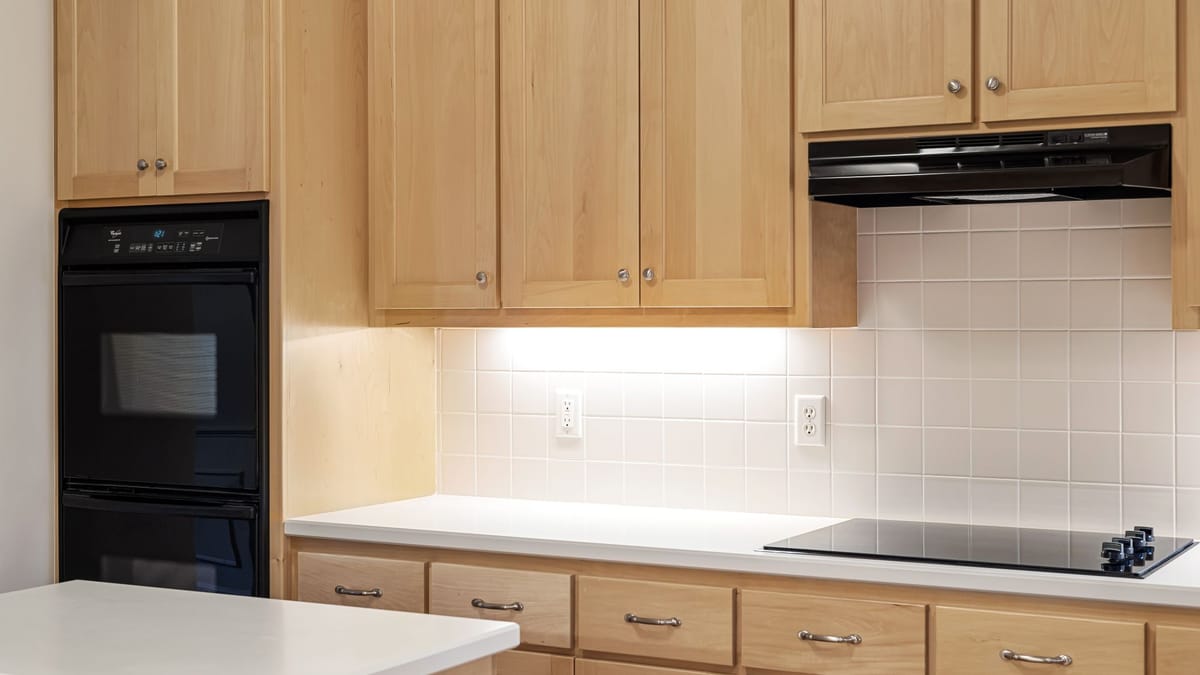
After a decade of all-white kitchens, natural wood is back at the center of kitchen design — and RTA white oak cabinets lead the shift. White oak brings something paint cannot copy: real grain with depth, a warm neutral tone that works with almost any countertop, and a calm, organic feel that suits modern, Scandinavian, transitional, and Japandi rooms alike. And because it ships ready-to-assemble, you get the designer look without the custom-shop lead time. This guide covers what matters before you order: the grain cut, the finish, cost versus white paint, care, and who oak suits best.
What makes white oak different from other woods?
White oak sits in a sweet spot few species hit. Against red oak, it runs cooler and more neutral — tan and taupe rather than orange and pink — so it stays calm under warm and cool lighting alike. Against maple, it offers far more character: a pronounced open grain with long arches or straight lines, depending on the cut. Against walnut, it is lighter and more versatile, working across a full kitchen rather than as an accent only. That mix of visible texture and neutral color is why designers reach for it when a room needs warmth without committing to a strong color.
It is also a genuinely hardworking kitchen wood. White oak is dense and heavy, holds screws and hinges well, and resists everyday dents better than softer paint-grade species. Its open grain hides small scuffs in a way a smooth painted door never can — a light mark simply disappears into the texture. One honest note: that grain means the surface will never look glass-smooth like enamel. If you love real wood, that texture is the point; if you want a flawless flat finish, paint is the better choice.
Rift-sawn vs. plain-sawn vs. quarter-sawn grain
The biggest factor in how white oak looks is not the stain — it is the saw cut, the way the log was milled. Plain-sawn (flat-sawn) is the classic cut: wide, arching cathedral patterns with lively variation board to board. Rift-sawn is milled at an angle that yields tight, straight vertical lines with almost no arches and very even color. Quarter-sawn resembles rift-sawn but adds shimmering ray flecks scattered across the straight grain. The same species can read rustic or ultra-modern depending entirely on this choice, so learn the three terms before comparing doors.
Rift-sawn is the most requested cut for today's kitchens: its quiet vertical lines suit flat-panel and slim-Shaker doors and read calm across a full wall of cabinets. Plain-sawn costs less and suits farmhouse and traditional rooms where bold grain is welcome. Quarter-sawn is often the priciest, since the milling wastes more of the log. Whatever you prefer, judge a real door sample in that exact cut — photos flatten grain. Our Shaker cabinet colors guide shows how door style and finish interact.
- Choose plain-sawn for bold cathedral grain, a rustic feel, and the most budget-friendly route into real oak.
- Choose rift-sawn for straight, quiet vertical grain in a modern or Scandinavian kitchen — the current designer favorite.
- Choose quarter-sawn for straight grain with ray-fleck character, when the budget allows a premium cut.
Finishes: natural, stained, and staying true
Most buyers picture white oak in a light, natural finish — the pale, honeyed look across kitchen photography. The key decision is the topcoat. Water-based clears dry with very little added color, keeping oak close to its raw pale tone; this is how the airy rift-oak look is usually achieved. Oil-based clears add a warm amber cast that deepens over time. Neither is wrong — amber suits traditional rooms — but if your inspiration photo is pale oak, confirm a water-based finish and judge a physical door sample, not a screen.
White oak also takes stain exceptionally well. A light oak-toned stain evens out natural variation between boards for a calmer wall of cabinets, while medium and dark stains add richness with the grain still showing. One caution: on plain-sawn doors, stain strengthens the contrast between arched high grain and flat low grain rather than softening it. And like all wood, oak warms a little with sun exposure — a UV-resistant topcoat plus shades on sun-struck windows slows the change. If any patina at all bothers you, paint holds its factory color more literally than any wood.
- For the pale look: water-based clear over rift-sawn oak, verified on a real sample in your kitchen light.
- For even color: a light oak-toned stain quiets variation between boards.
- For richness: medium and dark stains keep grain visible while adding depth.
- Against sun-aging: UV-resistant topcoat plus window coverings where afternoon sun hits the doors.
White oak vs. white paint: cost and character
The most common cross-shop is white oak against white paint, so here is the honest version. On price, white oak normally runs higher than a comparable painted door: oak is a slow-grown hardwood, the desirable rift and quarter cuts waste more of each log, and matching grain across a kitchen takes more labor than spraying uniform enamel. Expect oak a clear step above paint-grade options in any like-for-like line. For background on pricing, see our kitchen cabinet cost guide and the ready-to-assemble Shaker guide.
On looks and living, the trade runs the other way. White paint gives maximum brightness and the widest resale acceptance — but shows every crumb and fingerprint, and chips reveal a different color beneath. White oak gives warmth, hides daily wear inside its grain, and touch-ups blend invisibly — but reflects less light, so a dim kitchen can feel slightly darker than in white. Many households split the difference: oak on the island or bases where hands do the damage, white above where brightness counts. Our white vs. gray Shaker comparison covers the painted side of that decision.
- Budget: white paint costs less in equal construction; oak carries a hardwood and grain-matching premium.
- Brightness: paint reflects the most light; oak warms the room but absorbs more of it.
- Wear: oak hides scuffs in its grain; paint chips show contrast and need careful repair.
- Compromise: an oak island or oak bases under white uppers captures warmth and brightness together.
How to care for white oak cabinets
White oak asks less of you than painted doors, but it is still wood in a room full of steam and grease. Wipe with a soft cloth, warm water, and a drop of mild dish soap, then dry with a second cloth so moisture never sits in the grain. Degrease the doors nearest the range more often, since cooking film dulls the finish gradually. Our guide to cleaning kitchen cabinets covers the full routine — the short rules are below.
- Clean gently: soft cloth and mild soap only — never abrasive pads or harsh solvents.
- Always dry after: standing water is the enemy of every wood finish, especially near sinks.
- Ventilate steam: run the hood when boiling; repeated steam shortens any finish's life.
- Fix loose knobs fast: a spinning knob grinds its finish and dents the wood beneath.
Is white oak right for your kitchen?
White oak shines where a kitchen wants warmth with restraint: open plans where wood ties cooking and living zones together, modern and Scandinavian rooms needing one natural material against white walls and stone, and busy family kitchens where grain forgives the wear paint would advertise. It pairs well with white quartz, marble-look stone, black accents, and brass or matte-black hardware. Think twice only for a tiny or dim kitchen where brightness is the top priority, or when you want literally zero color evolution — and when in doubt, tape a sample to the wall for a weekend.
- Best for: open plans and modern, Scandinavian, Japandi, or transitional styles.
- Best for: households with kids and pets, where grain hides scuffs.
- Reconsider when: the kitchen is small or dim and every bit of brightness counts.
- Reconsider when: you want zero patina ever — paint holds its factory color more literally.
White oak questions, answered
Do white oak cabinets look dated?
No — pale oak in straight cuts reads current. What dates a kitchen is usually the combination: heavy arches, orange varnish, and busy granite belong to an earlier era, while rift grain, light water-based finishes, and quiet stone read modern. Pick the cut and finish for today's look and the species will not date the room.
Is white oak harder to maintain than white paint?
Day to day it is easier, because grain camouflages the dust and scuffs that show instantly on white enamel. The care itself is the same gentle routine — soft cloth, mild soap, dry after — just needed less often to keep the kitchen looking sharp.
Can I mix white oak with white cabinets?
Yes — white uppers over oak bases or an oak island is one of the most reliable two-tone formulas. The white keeps things bright at eye level while the oak grounds the design where wear happens. Keep the countertop and hardware consistent so both finishes read as one plan.
Will my oak doors match each other exactly?
Not board-for-board, and that is normal for real wood. Rift-sawn matches closely; plain-sawn varies more. Expect natural variation — the signature of the material, not a defect — and review the sample knowing the kitchen will rhyme with it rather than clone it.
Should I order a sample first?
Always. Grain, stain depth, and topcoat warmth shift between screen and real wood, and again between morning and evening in your kitchen. Hold the sample against your countertop and floor in your own light — order a door sample before approving the order.
Have measurements ready? Send your layout and we will price your kitchen in white oak — request a free quote and we will take it from there.
Keep reading
- Shaker Cabinet Colors: Gray, Cream, Espresso-Look & Wood
White is only the starting point. Here is how gray, cream, espresso-look, and wood-tone Shaker cabinets each behave in a real kitchen — and how to confirm the color before you commit.
- Ready-to-Assemble Shaker Cabinets: The Complete Guide
Why the five-piece Shaker door stays the safe, timeless choice — and how ready-to-assemble Shaker cabinets deliver it factory-direct, in white and gray.
- How to Clean Kitchen Cabinets Without Damaging Them
Most cabinet finishes need the same gentle routine: mild dish soap, a soft well-wrung cloth, a rinse wipe, and a full dry. Here is how that changes by finish — and what to avoid.
- How Much Do Kitchen Cabinets Cost? RTA vs. Assembled vs. Custom
Kitchen cabinet cost comes down to three things — material, construction, and how you buy. An honest, no-sticker-shock breakdown of RTA, assembled, semi-custom, and custom pricing by the linear foot, plus the hidden costs of hardware, countertops, and installation.
- Wall Colors With White Shaker Cabinets: Pairing Rules
White cabinets take almost any wall color — which is exactly why walls go wrong. Match undertones, mind the light, and test big swatches before committing.
Ready to plan your kitchen?
Send us your layout for a free, no-obligation quote, or browse the full factory-direct catalog of all-plywood Shaker cabinets.