
Kitchen Cabinets for Rental Property: Landlord Spec Guide
By TC Wholesale Cabinetry · Editorial team
November 9, 2026 · 10 min read
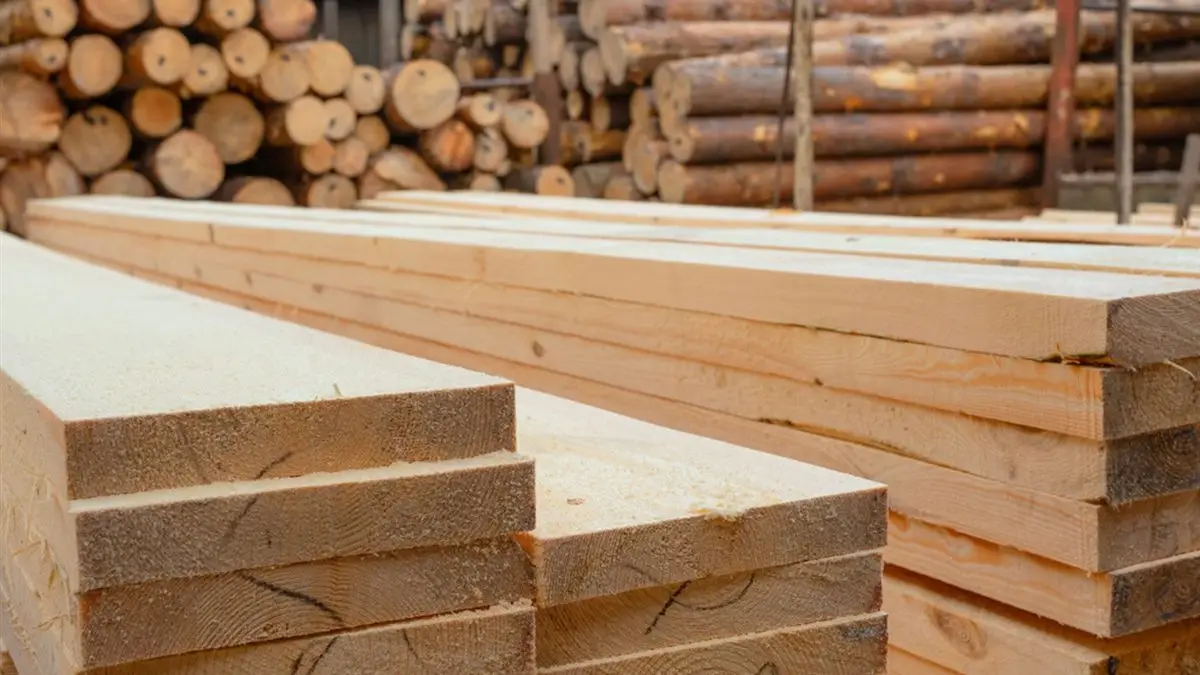
The short answer: the best kitchen cabinets for a rental property have plywood boxes, a cleanable painted or wood-tone finish, a simple door style such as Shaker, adjustable soft-close hinges and slides, and one standardized spec across every unit. That combination resists the damage tenants actually cause, keeps repairs to a screwdriver and a spare door, and makes the next turnover faster.
This guide is written for landlords, property managers and contractors who buy for more than one kitchen. It covers what fails first, how to spec the box, finish and hardware, how to standardize across units, and two federal rules that apply to cabinet swaps in rentals: the EPA lead-safe rule for older buildings and formaldehyde labeling for composite wood.
What fails first in a rental kitchen
Rental cabinets rarely wear out evenly. Damage concentrates in a few places, and a good spec targets those places first.
- The sink base. Slow drips from traps and supply lines go unreported for months. Box material decides whether the floor panel swells or survives. See our guide to preventing cabinet moisture damage.
- Hinges. Doors get hung on, slammed and pulled sideways. Screws strip out of weak panels and doors sag.
- Drawer slides and drawer boxes. Overloaded drawers and hard closes loosen joints and bend cheap side-mount slides.
- Door edges and finish near handles. Grease, food and fingers wear the finish where hands land most.
For typical lifespans by material and use, read how long kitchen cabinets last.
Box material: why plywood pays back in a rental
The box is the part you cannot cheaply replace. Particleboard swells when it gets wet and holds screws poorly once a hole is stripped; plywood holds fasteners better and tolerates the occasional leak far better. In a rental, where leaks and rough use are expected, that difference shows up as fewer full-cabinet replacements. The full comparison is in plywood vs particleboard cabinets, and thickness choices are covered in our cabinet plywood thickness guide.
| Part | Spec |
|---|---|
| Cabinet box | 1/2" plywood, metal L-brackets, no particle board |
| Face frame | 3/4" solid wood, full-overlay doors |
| Drawer boxes | 5/8" solid-wood dovetail, plywood bottoms |
| Drawer slides | Soft-close full-extension undermount |
| Hinges | 6-way adjustable concealed, soft-close |
| Shelves | 3/4" adjustable plywood, metal shelf rests |
| Emissions compliance | CARB P2 / TSCA Title VI |
Door style and finish that survive turnovers
A flat recessed panel with a square frame, the Shaker door, is a practical rental choice: it has no deep profiles to trap grease, wipes clean in a few passes, and stays in style long enough that a replacement door ordered years later still matches the kitchen. Ornate raised panels and glass fronts add cleaning time at every turn.
On color, pick the finish you can keep stocking. A bright white such as Purity White reads clean in listing photos; a mid-tone such as Victory Gray hides scuffs and fingerprints between cleanings. Our line comes in six finishes: Purity White, Victory Gray, Modern Gray, Silver Gray, Wood Color and Seashell Cream. For trade-offs between them see the Shaker cabinet colors guide, and give turnover crews our cabinet cleaning guide so they do not strip the finish with harsh cleaners.
Hardware that takes abuse
- 6-way adjustable concealed hinges with soft-close. A sagging door is fixed with a screwdriver in a minute instead of a service call for a new door.
- Soft-close full-extension undermount slides. Soft-close stops the slamming that loosens drawer fronts; undermount slides sit out of sight and out of the way of spills.
- Dovetail drawer boxes. Interlocking joints hold up to overloaded drawers better than stapled corners.
- Pulls over knobs on heavy-use drawers. Pulls spread the load and are easier to grab. Compare options in cabinet knobs vs pulls, and use one hardware model across the portfolio.
Standardize one kitchen spec across units
The biggest saving in multifamily work is not the cabinet price. It is buying, installing and repairing the same kitchen over and over.
- Write a SKU list per unit type. One list for the one-bedroom, one for the two-bedroom. Our guide to kitchen cabinet abbreviations and codes explains how to read and write them.
- Stick to standard sizes. Standard widths and heights are easier to reorder than custom pieces. See small kitchens with standard cabinets.
- Keep spares on the shelf. A few doors, drawer fronts, hinges and a spare sink base per building turns a damaged cabinet into a same-day fix.
- Use one finish and order in as few batches as practical so colors match from unit to unit.
- Check every order before it ships with our contractor cabinet ordering checklist.
RTA or assembled for unit turns
Ready-to-assemble (RTA) cabinets ship flat, take less space in a storage unit or maintenance room, and can be assembled by the maintenance team as needed, which suits spare stock and phased renovations. Assembled cabinets save labor on site but take more room to store. Read unassembled kitchen cabinets, how to assemble RTA cabinets and how RTA cabinets ship to plan the workflow. Our cabinets are RTA Shaker cabinets made in our own factory in Vietnam.
Rules landlords must follow during a cabinet swap
Lead-safe work in buildings built before 1978
Tearing out old cabinets often disturbs painted walls, trim and soffits. Under the EPA Renovation, Repair and Painting (RRP) Rule, anyone paid to perform work that disturbs painted surfaces in homes built before 1978 must be certified and trained in lead-safe work practices, and EPA states that if you rent a pre-1978 home, the landlord or property management company must comply with the RRP Rule when performing work that disturbs paint. The homeowner exception does not cover rented space. Some states run their own authorized programs. Source: EPA Lead Renovation, Repair and Painting Program.
Formaldehyde labeling for composite wood
Plywood, MDF and particleboard in cabinets fall under federal formaldehyde emission standards. EPA states that after March 22, 2019, composite wood products must be labeled as TSCA Title VI compliant, and that it worked with the California Air Resources Board to keep the national rule consistent with California's standard (EPA formaldehyde emission standards for composite wood products; see also the CARB Composite Wood Products Program). Ask any supplier for the compliance statement before you buy for occupied units. Our panels are CARB P2 and TSCA Title VI compliant; see what CARB P2 cabinets are.
Taxes: improvements vs repairs
IRS Publication 527 treats residential rental property under GDS with a 27.5-year recovery period, and improvements to that property are generally depreciated rather than deducted in one year (IRS Publication 527). Whether a cabinet replacement is a repair or an improvement depends on the facts. This is not tax advice; ask your tax professional.
Buying for several units: trade accounts and job-lot quotes
Our trade program accepts contractors, dealers and property managers; approved accounts see wholesale pricing after sign-in. For a full building, send your unit types and SKU lists through a free quote, order door samples to confirm the finish first, and read the warranty page before you buy. More on volume buying: wholesale cabinets, wholesale cabinets for contractors and trade program benefits.
FAQ
What are the most durable kitchen cabinets for a rental?
Look for plywood boxes, solid-wood face frames, dovetail drawers and adjustable soft-close hardware. These address the common rental failures: water at the sink base, stripped hinge screws and broken drawers.
Are Shaker cabinets good for rentals?
Yes. The flat panel is easy to clean, the style is widely accepted by tenants, and matching replacement doors are easy to source later.
What cabinet color is best for a rental property?
White photographs well and feels clean; mid-tone grays and wood tones hide wear between turnovers. Whichever you choose, use the same finish across units so spares match.
Should landlords buy RTA cabinets?
RTA cabinets suit landlords who keep spare stock or have a maintenance team: they store flat and can be assembled when needed. If you have no assembly labor, factor that time into the comparison.
Do I need lead-safe certification to replace cabinets in an older rental?
If the building was built before 1978 and the work disturbs paint, EPA requires paid workers to be RRP-certified, and the landlord or property manager must comply with the rule. Check the EPA RRP program page and your state program.
Keep reading
- Plywood vs. Particleboard Cabinets: Which Lasts Longer?
The box material decides how long a cabinet survives sink leaks, humidity, and years of door slams. Here's the honest plywood-vs-particleboard breakdown.
- How Long Do Kitchen Cabinets Last? Lifespan by Material
A kitchen cabinet's life runs 20 to 50 years, and the spread is decided by five things: box material, hardware, install quality, moisture, and care. Here is how each one moves the number.
- Contractor Cabinet Ordering Checklist: 7 QA Checks
Repeat orders don't fail on the big cabinets — they fail on the small details: a reused plan, a wrong hinge, a finish that drifted between batches, a missing filler. Seven checks before you release the PO.
- Wholesale Cabinets for Contractors: Bulk Orders and Spec Sheets
Wholesale cabinets turn a stack of similar jobs into a repeatable supply line — consistent boxes, spec sheets, freight you can schedule, and trade pricing on bulk factory-direct orders.
- What Is CARB P2 — and Why Cabinet Emissions Matter
Cabinets are mostly composite wood, and composite wood is held together with glue that can release formaldehyde. CARB P2 is the standard that limits it — here are the actual ppm ceilings and what they guarantee.
Ready to plan your kitchen?
Send us your layout for a free, no-obligation quote, or browse the full factory-direct catalog of all-plywood Shaker cabinets.